



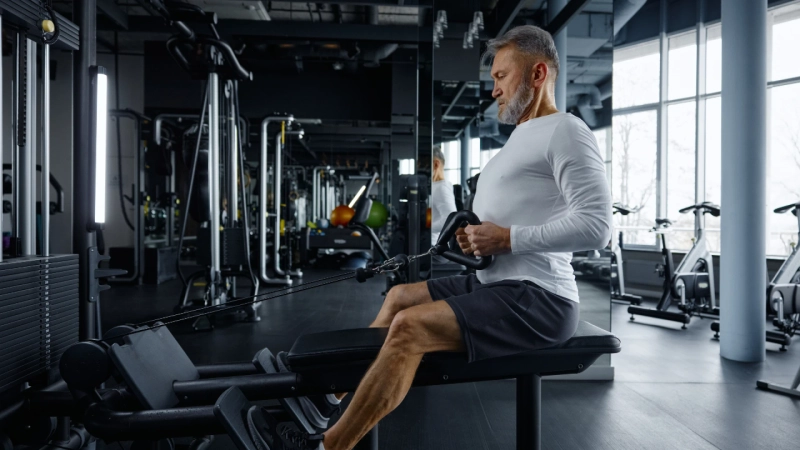
Rowing machines have become increasingly popular for home fitness enthusiasts, offering a low-impact, full-body workout that engages multiple muscle groups. They provide a cardiovascular challenge while strengthening the core, arms, and legs, making them a versatile option for those seeking a compact, all-in-one exercise solution. But one question often arises before making a purchase: how much does a rowing machine cost for home use?
The answer is not straightforward. The price of a rowing machine depends on a variety of factors, including design, build quality, resistance type, and additional features. Understanding these variables can help you make an informed decision and select a machine that fits both your fitness goals and budget.
This article explores the factors influencing rowing machine price, what you can expect to pay at different levels, and how to determine which machine is right for your home gym.
Factors That Influence Rowing Machine Price
Several elements contribute to the cost of a rowing machine, making it essential to evaluate each before committing to a purchase.
1. Type of Resistance
Rowing machines typically use one of four resistance systems: air, magnetic, water, or hydraulic. Each system offers distinct performance characteristics and price points.
- Air Resistance: These machines simulate the feel of rowing on water and are often preferred by serious rowers. Prices generally range from mid-tier to high-end.
- Magnetic Resistance: Known for their quiet operation, magnetic rowers vary widely in price, depending on the precision and smoothness of resistance adjustments.
- Water Resistance: These rowers provide realistic rowing motion and sound, often priced higher due to the complexity of the water tank mechanism.
- Hydraulic Resistance: Compact and affordable, hydraulic machines are a common entry point for beginners, but they may lack the smooth, continuous motion of other systems.
2. Build Quality and Materials
Durability plays a significant role in cost. Machines constructed with steel frames, high-quality bearings, and reinforced rails typically command higher prices. Wooden rowing machines, while aesthetically appealing, often fall into the premium category due to craftsmanship and material costs.
3. Features and Technology
Modern rowing machines may include features such as digital consoles, heart rate monitoring, programmable workouts, and Bluetooth connectivity. While these features enhance training and track progress, they also increase the overall price.
4. Brand and Warranty
Reputable brands often price their machines higher, reflecting engineering quality, long-term reliability, and customer support. Warranty coverage is another factor to consider; longer warranties can justify a higher upfront cost.
Typical Price Ranges for Home Rowing Machines
Understanding the general cost brackets can help you set realistic expectations.
Entry-Level Machines
For beginners or casual users, rowing machines are available starting at around $150–$300. These models usually feature hydraulic resistance or basic magnetic systems, lightweight frames, and minimal additional features. They are suitable for low to moderate intensity workouts but may have limited durability and shorter warranties.
Mid-Range Machines
Machines in the $400–$800 range often offer air or advanced magnetic resistance, sturdier frames, and more ergonomic designs. Many include digital monitors that track distance, stroke rate, and calories burned. Mid-range options provide a balance between quality, performance, and cost, making them the most popular choice for home users.
High-End Machines
High-performance rowers can exceed $1,000, particularly those with water resistance, professional-grade construction, or advanced digital features. These machines offer smooth, realistic rowing experiences and are designed for long-term durability, accommodating frequent, intense use.
Evaluating Value Beyond Price
While cost is an important consideration, it should not be the sole factor in selecting a rowing machine. A lower-priced machine may save money upfront but could lack durability or comfort, resulting in a less satisfying workout over time. Conversely, a high-priced machine may offer superior engineering and features, but it may exceed the needs of a casual user.
Some strategies for evaluating value include:
- Assessing Your Fitness Goals: Are you looking for moderate cardio or serious strength and endurance training? Your intended use should align with the machine’s capabilities.
- Considering Space and Storage: Some rowers fold for compact storage, while others require dedicated space.
- Reviewing User Feedback: Practical insights from other buyers often highlight durability and ease of use, which can inform your decision.
Conclusion
Rowing machines offer a convenient, effective, and low-impact full-body workout suitable for all fitness levels. The price of a rowing machine for home use can vary widely, influenced by resistance type, build quality, features, and brand reputation. Entry-level machines provide an accessible starting point, mid-range options balance cost and functionality, and high-end models deliver professional-grade performance.
Ultimately, the best machine is one that aligns with your fitness goals, space, and long-term usage expectations. By evaluating these factors, you can make a well-informed investment in a rowing machine that supports your health and exercise routine.
FAQs
How much should I expect to spend on a beginner rowing machine?
Entry-level machines typically range from $150–$300, offering basic resistance and essential functionality suitable for casual users.
Are high-end rowing machines worth the investment?
High-end rowers provide superior durability, smoother motion, and advanced features, which may be valuable for frequent or intense training.
Does resistance type affect the cost significantly?
Yes. Air and water resistance systems generally cost more than hydraulic or basic magnetic models due to their complexity and performance realism.
Can I get a quality rowing machine for a small home space?
Compact and foldable models are available across all price ranges, but high-end machines may require dedicated space due to size and construction.
What maintenance is required for rowing machines?
Maintenance varies by type; air and water rowers need periodic cleaning and tank inspection, magnetic models require minimal upkeep, and hydraulic systems may need occasional fluid replacement.