



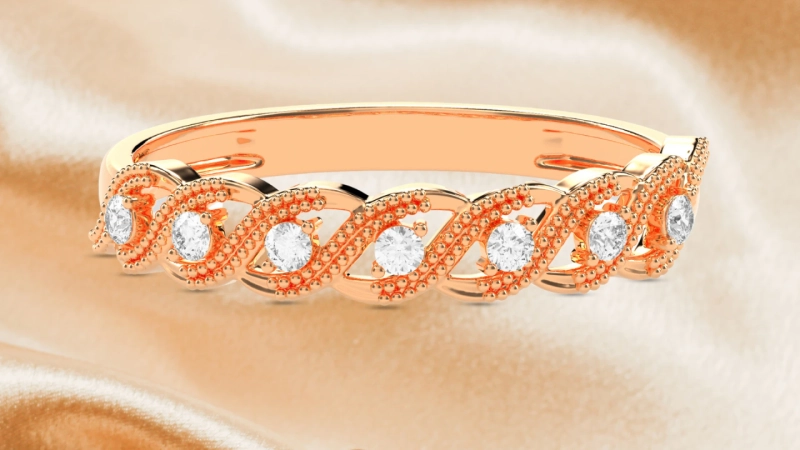
An engagement ring symbolizes love, commitment, and a lifetime promise. Finding the perfect ring is a cherished journey, but it comes with a price. The average cost of a one-carat diamond engagement ring falls between $5,000 and $10,000.
However, several factors determine the price, making it crucial to understand what influences costs before making a purchase.
Understanding the 4C’s and Their Impact on Price
The 4Cs Color, Clarity, Cut, and Carat play a significant role in defining a diamond’s beauty and price. Let’s break them down:
1. Color: The Clearer, the Pricier
Diamonds range from colorless to yellowish hues. A completely colorless diamond is rare and more expensive, while slight tints reduce value. Color grading ranges from D (colorless) to Z (visible yellow tint). If you want the best balance of value and appearance, consider diamonds in the G-H range, which look nearly colorless but cost significantly less than D-grade diamonds.
2. Clarity: Fewer Imperfections, Higher Price
Clarity refers to internal and external flaws called inclusions. The fewer the blemishes, the higher the clarity grade, and the steeper the price. Flawless diamonds are extremely rare, making them expensive. However, slightly included (SI1 or SI2) diamonds can appear flawless to the naked eye while being more budget-friendly.
3. Cut: The Key to Sparkle
A well-cut diamond reflects maximum light, creating brilliance. Cuts like round and princess shapes fetch a premium due to their superior sparkle. The precision of the cut impacts how much light is reflected, influencing the stone’s brilliance and price. An ideal-cut diamond maximizes fire and scintillation, ensuring a breathtaking sparkle.
4. Carat: Weight Dictates Cost
Carat weight measures a diamond’s size. A higher carat diamond is rarer and pricier, with exponential price increases as carat size grows. However, two diamonds of the same carat weight can have vastly different values based on cut, clarity, and color. A slightly smaller diamond, like 0.95 carats instead of 1.0 carat, can save you thousands while appearing nearly identical in size.
The Influence of Craftsmanship on Price
Beyond the diamond, the setting and craftsmanship of the ring significantly impact cost. Precision-cut diamonds require skilled artisans, increasing labor costs. Rings with intricate details such as milgrain or pavé settings demand expert work, making them more expensive. A well-crafted ring enhances the diamond’s brilliance, ensuring it remains stunning for a lifetime.
How Carat Weight Affects Pricing
Carat weight holds prestige, with many opting for larger stones. However, price increases aren’t always proportional. A 0.90-carat diamond may appear similar to a 1.0-carat but cost significantly less. This makes it essential to balance carat weight with the other 4Cs. A high-quality 0.85-carat diamond with an excellent cut and clarity may outshine a poorly cut 1.0-carat diamond.
Design and Setting: How They Affect Cost
The ring’s design, including the setting and band material, influences pricing. Popular settings like halo or three-stone rings require more diamonds, raising the cost. The level of detail and craftsmanship involved also impacts the final price, as more intricate designs demand higher labor costs.
Choosing the Right Metal for Your Ring
- Platinum: Durable and luxurious, but pricier due to rarity and weight.
- White Gold: A more affordable alternative to platinum, requiring rhodium plating for a bright finish.
- Yellow Gold: Classic and elegant, offering a warm, timeless appeal.
- Rose Gold: Unique and romantic, often slightly less expensive than white gold.
Metals like platinum and white gold are popular for modern engagement rings, while yellow and rose gold offer a vintage, timeless feel. Platinum is hypoallergenic, making it a preferred choice for those with sensitive skin.
Are Lab-Grown Diamonds a More Affordable Option?
Lab-grown diamonds provide a cost-effective alternative with the same brilliance as natural diamonds. They cost 30–40% less, making them an excellent choice for budget-conscious buyers without compromising sparkle. They are chemically and physically identical to natural diamonds and are ethically sourced, making them an eco-friendly choice.
Saving Money Without Sacrificing Beauty
Looking to get the best value? Consider these tips:
- Opt for slightly lower color and clarity grades that still appear flawless to the naked eye.
- Choose a diamond just under a popular carat weight (e.g., 0.90ct instead of 1.0ct) for significant savings.
- Explore lab-grown diamonds or alternative gemstones like sapphires or rubies for a unique yet affordable engagement ring.
- Consider a halo setting, which surrounds a smaller center stone with accent diamonds, creating the illusion of a larger ring.
Things to Remember Before Buying
- Know your budget and stick to it.
- Understand your partner’s style preference.
- Compare prices and shop from reputable jewelers.
- Prioritize diamond certification to ensure authenticity.
- Explore financing options if needed to get the best ring within your budget.
Conclusion
A diamond engagement ring’s cost varies depending on multiple factors. Always consider the 4Cs, ring setting, and metal type before making a decision. If budget is a concern, explore lab-grown diamonds or alternative gemstones.
Ready to find the perfect ring? Explore our collection now and make your proposal unforgettable!