



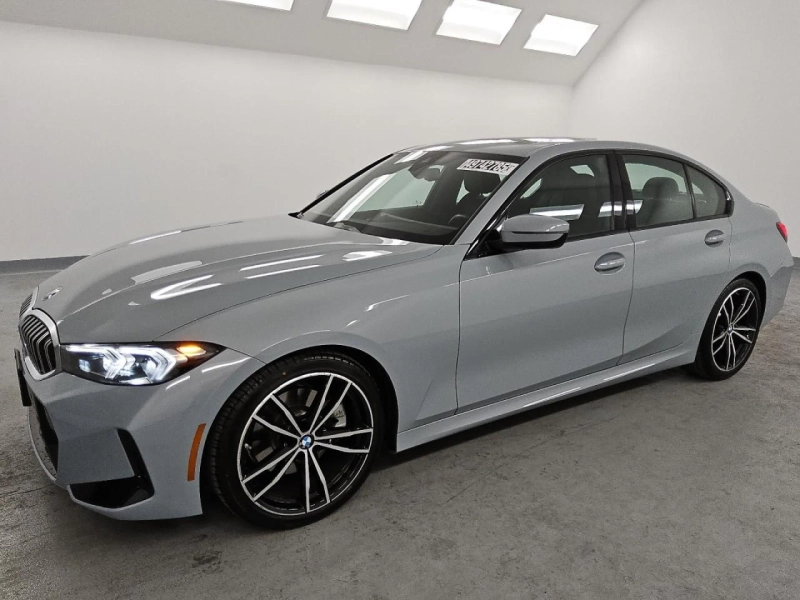
A car purchase is a significant financial purchase as the majority of buyers are on a budget, and rebuilt title cars for sale provide a lucrative opportunity. The vehicles, which used to be considered junk however have been restored and checked, are often offered at significantly cheaper prices when compared to clean-title vehicles. How much more affordable are these vehicles? Are the reductions worth the risks? The cost breakdown for rebuilding title cars will aid you in making an informed choice.
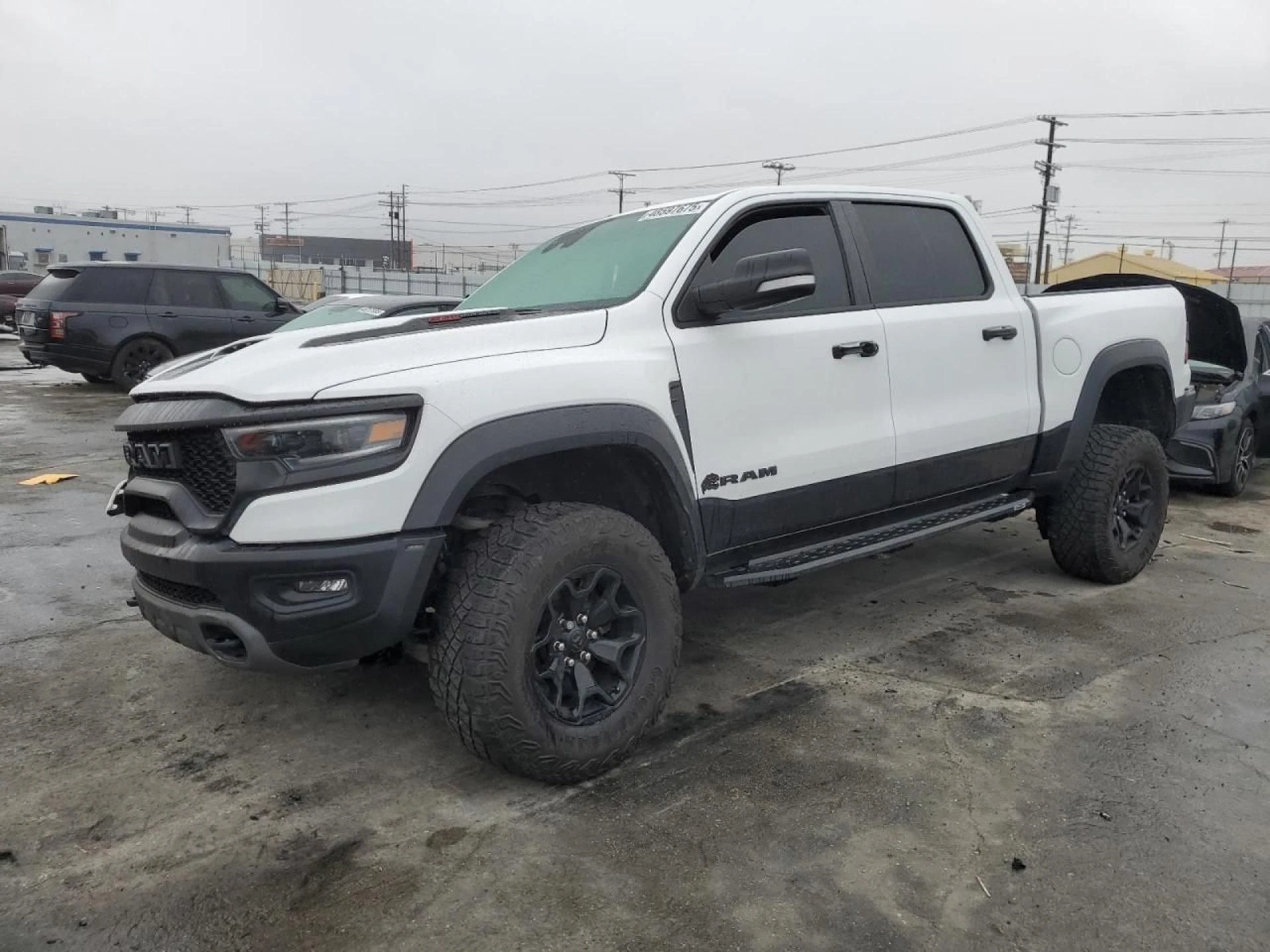
What Are Rebuilt Title Cars?
A car with a rebuilt title one that has been issued a salvage title because of damages caused by an accident or flood or theft, but is now fixed and declared roadworthy. Following an inspection by a professional and a formal inspection, the vehicle receives an updated title that allows the vehicle to legally drive and then sold. Although they are sold with a price reduction, prospective purchasers should be aware of the condition of their vehicle and its total price prior to making an investment.
How Much Cheaper Are Rebuilt Title Cars?
One of the main motives buyers look at used title cars that have been rebuilt available for purchase is the price. The average number of rebuilt title cars are between 20% and 50% lower than similar vehicles with clean title. The amount of discount will depend on a number of variables, including the severity of damage as well as the quality of repairs as well as the need for the specific model.
In the example above, a clean title vehicle worth $20,000 may be able to be rebuilt as a title vehicle at as low as $12,000 to $16,000. It's a significant savings and especially beneficial for those who want to purchase a brand new vehicle for less than the cost. It's important to look at additional costs that aren't included in the cost of purchasing to figure out the cost effectiveness of this alternative.
Factors That Influence the Cost of Rebuilt Title Cars
The price for restored title cars that are available for purchase differs based on a variety of crucial aspects.
The extent of the damages plays an important impact on the value. Cars with less cosmetic damages may have greater value than a vehicle which was the victim of an accident that was serious. It is important to carefully read the history of the car to assess the extent of any previous damage prior to making a decision.
Quality of repairs are one of the most important factors. A few rebuilt title cars have been professionally restored using top-quality materials and procedures, whereas some were repaired inexpensively in order to be inspected. An expertly repaired car may be more expensive, but it is more durable over the long haul.
The brand and model of the vehicle can also influence the price. Certain brands and models offer higher resales value even if the title is rebuilt; however, others will see a significant decline. High-performance and luxury automobiles, for instance, are often more expensive in the event that they are branded rebuilds due to buyers' fear.
The market demand determines the amount of discounts you could get. If there's an abundance of demand for a certain version, then even rebuilt models could fetch an inflated price. Conversely, vehicles that are not in high demand may be bought at huge discounts.
The geographical location is a factor too. Costs for restored title cars available to be sold will vary based on the state, region as well as the number of salvage vehicles on the marketplace.
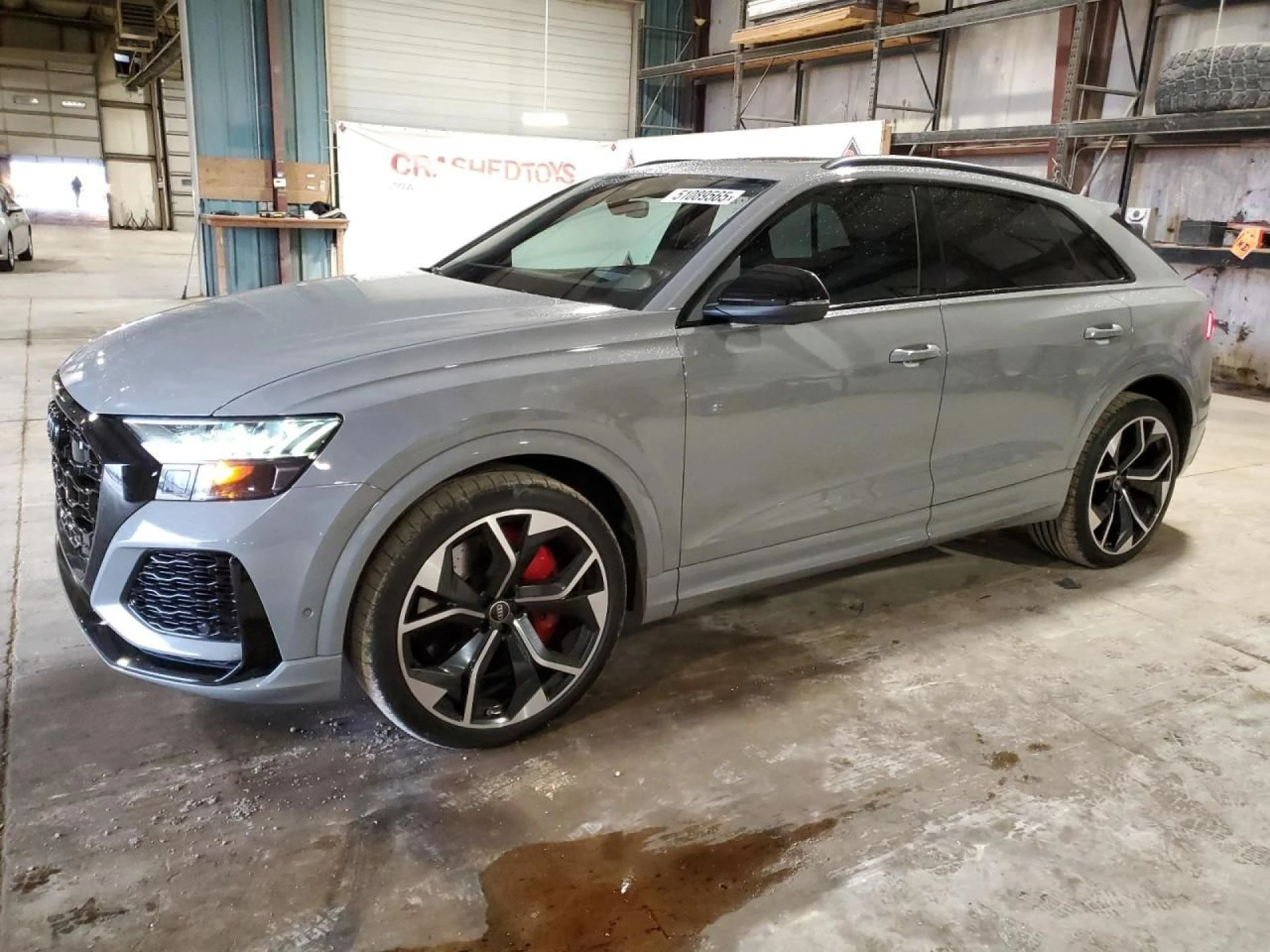
Additional Costs to Consider When Buying a Rebuilt Title Car
Although rebuilt title vehicles can be cheaper in the beginning, there are additional costs which buyers must consider.
The insurance premium is usually more expensive for cars with rebuilt titles. Some insurance companies aren't willing to cover the entire cost because of the risk involved. Certain companies may offer only liability insurance, whereas other providers have higher prices for collision or comprehensive insurance.
The financing options available for rebuilt title cars may be very limited. The majority of traditional lenders prefer financing clean title vehicles which makes it hard to get the loan. If financing is offered and interest rates are more expensive than clean-title vehicles.
The potential repair cost should be taken into consideration. Even when a newly rebuilt title vehicle is in excellent condition, structural or mechanical issues could occur in time. Regular maintenance and inspections could help to reduce these risks however they could increase cost over the long term.
The issue of depreciation is also a concern. Title cars that have been rebuilt lose value more quickly than vehicles with clean titles. If you intend to sell the vehicle in the near future it may be difficult to find a fair value or to find buyers willing.
Are Rebuilt Title Cars Worth the Savings?
If you're looking for a buyer, the cost savings of restored title vehicles to sell are a worthy decision, particularly if you are planning to keep the car for a long time rather than selling it. Buyers must consider the potential risks for example, insurance concerns as well as repair expenses and the possibility of mechanical issues. People who are knowledgeable about vehicle repairs and access to trustworthy mechanics can benefit most by purchasing a refurbished title vehicle.
Tips for Buying a Rebuilt Title Car
If you choose to purchase an old title vehicle, taking the proper measures can make for the right decision.
Always get a report on the history of your vehicle for a thorough understanding of any previous damages to the vehicle. This can help you determine whether repairs were minimal or whether the vehicle suffered major damage.
An inspection by a professional is necessary prior to purchasing. Although the vehicle appears great on the outside, a mechanic will be able to check for any mechanical or structural issues that may cause trouble in the future.
The state's laws on the rebuilding of titles is also important. Certain states have more stringent regulations regarding the registration and insurance of these automobiles, and understanding the law could save you from costly problems.
It is essential to negotiate when purchasing the rebuilt title car. Due to the stigma that comes with them, dealers will often be open to negotiations and decrease the price of a purchase.
Frequently Asked Questions
1. Do you have the option of getting full coverage insurance for a rebuilt title vehicle?
It's contingent on the insurance company. Some insurance companies provide only limited liability coverage. Others might offer full coverage in the event that the repairable cars is inspected thoroughly. examination. The best thing to do is research policies and shop around prior to purchasing a new title vehicle.
2. Can rebuilt title vehicles be trusted? Are they reliable?
Title cars rebuilt could be as reliable as cars with clean titles if they're properly repaired. The level of repair is different and it is essential to ensure that the vehicle is inspected by an experienced mechanic prior to purchasing.
3. What is the amount that the rebuilt title vehicles depreciate?
Title cars that have been rebuilt depreciate more quickly than clean-title vehicles. They have a loss of 10 to 30 percent more worth over the course of time, which makes it difficult to sell.
4. Can it be more difficult to sell an old title vehicle?
Absolutely it is, but selling an old title vehicle could be difficult because some customers prefer clean title vehicles. If the car is maintained well and priced at a reasonable price the car will be able to attract customers.
Conclusion
Rebuilt title vehicles to be sold could provide substantial savings usually costing between 20% to 50 percent less than equivalents with clean titles. But prospective buyers must be aware of the costs of insurance, repair charges and issues with resales prior to making a choice. If you are determined to conduct their research and make the necessary safeguards and take the necessary precautions, a new title car is a cost-effective as well as practical choice. If the savings can be worth it, is dependent on each buyer's requirements, their the level of risk they are willing to take, as well as their desire to invest in appropriate checks and maintenance.