



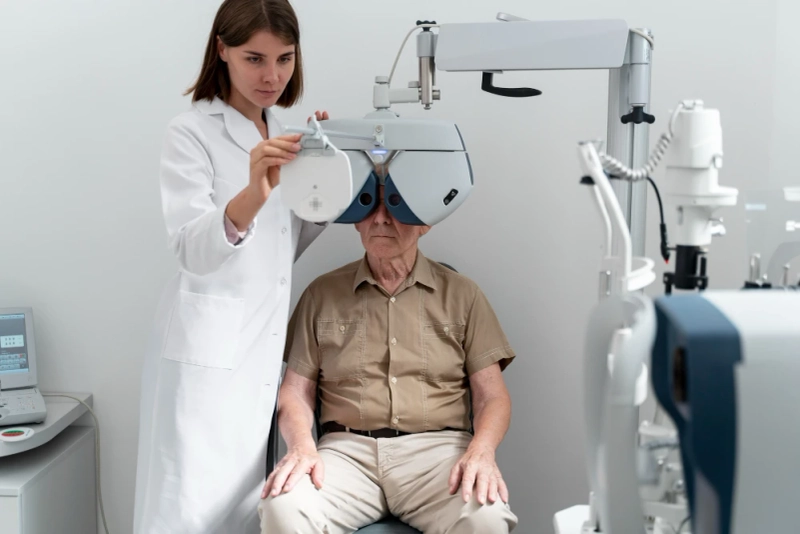
Vision is one of our most precious senses, allowing us to experience the world in vivid detail. However, certain eye conditions can gradually impair our sight if left untreated. Understanding the differences between macular degeneration vs glaucoma is crucial for early detection, effective management, and maintaining quality of life. While both affect vision, they do so in very distinct ways.
What is Macular Degeneration?
Macular degeneration, often referred to as age-related macular degeneration (AMD), primarily affects the macula, the central part of the retina responsible for sharp, detailed vision. This condition is most common in people over 50 and can lead to significant central vision loss.
Key features of macular degeneration:
- Gradual blurring or distortion of central vision
- Difficulty recognizing faces or reading fine print
- Dark or empty spots appearing in the center of vision
- Typically does not affect peripheral vision
Understanding Glaucoma
Glaucoma, on the other hand, is a group of eye diseases that damage the optic nerve, usually due to increased intraocular pressure. Unlike macular degeneration, glaucoma often develops silently, causing gradual peripheral vision loss.
Key features of glaucoma:
- Peripheral (side) vision loss
- Tunnel vision in advanced stages
- Eye pain, headaches, or halos around lights in acute cases
- Often no noticeable symptoms in early stages
Macular Degeneration vs Glaucoma: How Vision is Affected
While both conditions impair vision, the nature and location of vision loss differ significantly:
1. Central vs Peripheral Vision:
- Macular degeneration affects the central vision, making detailed tasks like reading, driving, or recognizing faces difficult.
- Glaucoma primarily affects peripheral vision, which can lead to “tunnel vision” over time.
2. Symptom Onset:
- Macular degeneration symptoms are often noticed by patients first, such as blurred central vision.
- Glaucoma can be asymptomatic until significant vision loss occurs.
3. Progression:
- Macular degeneration can progress slowly, sometimes leading to sudden worsening in certain cases (wet AMD).
- Glaucoma typically progresses gradually and silently, often detected only during routine eye exams.
Risk Factors and Prevention
1. For Macular Degeneration:
- Age over 50
- Family history of AMD
- Smoking and poor diet
- Prolonged sun exposure without eye protection
2. For Glaucoma:
- Age over 40
- Elevated intraocular pressure
- Family history of glaucoma
- Certain medical conditions like diabetes and hypertension
3. Preventive Measures:
- Regular comprehensive eye exams
- Healthy diet rich in leafy greens and antioxidants
- Avoid smoking
- Protect eyes from UV exposure
Treatment Options
While there is no complete cure for either condition, early detection and management can slow progression and preserve vision:
1. Macular Degeneration Treatments:
- Anti-VEGF injections for wet AMD
- Nutritional supplements for early or intermediate AMD
- Lifestyle modifications
2. Glaucoma Treatments:
- Prescription eye drops to reduce eye pressure
- Laser therapy or surgery in advanced cases
- Regular monitoring of intraocular pressure
Wrapping Up
Understanding macular degeneration vs glaucoma is essential for protecting your vision and taking proactive steps toward eye health. While both conditions lead to vision loss, macular degeneration affects central vision and glaucoma affects peripheral vision. Early detection, regular eye exams, and timely treatment can make a significant difference in preserving eyesight and maintaining independence.