



Table of Content
- What’s the Average Time for a Roof Installation in Portland?
- What Factors Affect Roof Installation Time in Portland?
- What Happens During the Roof Installation Process?
- Can a Roof Be Installed in One Day?
- What Causes Roof Installation Delays in Portland?
- How Can Homeowners Help Speed Up the Installation?
- What’s the Best Season for Roof Installation in Portland?
- When Should You Schedule Your Roof Replacement?
- Conclusion: Planning for a Smooth Roofing Project
- FAQs
Key Insights Most residential roof installations take 2–5 working days, but total project timelines often stretch to 3–6 weeks due to permits, weather, and scheduling.Weather is the biggest delay factor in Portland, where frequent rain can pause work even mid-project.Material choice directly affects installation speed, with heavier or engineered shingles taking longer to install.Hidden structural damage found after tear-off can add 1–3 extra days unexpectedly.Homeowners who prepare their property and approve decisions early can speed projects up by up to 25%.
Are you thinking about getting a new roof installed and unsure whether the project will take days or stretch into weeks? In Portland, timing depends on more than just crew speed. Roof size, material type, weather conditions, and hidden repairs all influence how long installation actually takes. Rain delays, permits, and structural fixes can also shift schedules. Knowing what affects the timeline helps you set realistic expectations and plan your project with confidence before work begins.
What’s the Average Time for a Roof Installation in Portland?
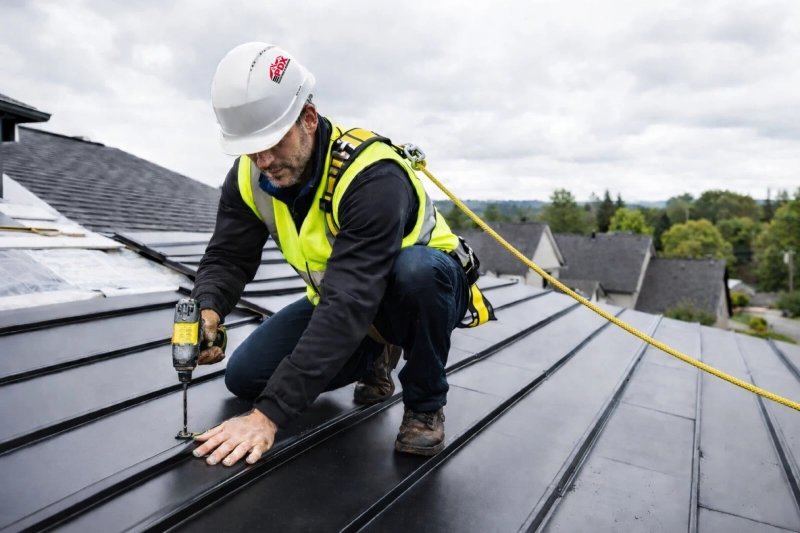
Most residential roof installations take 2–5 working days of on-site construction, but your timeline shifts based on property specifics. Larger roofs require more material handling, multi-story homes add setup time, and complex layouts with dormers or skylights slow installation. Urban locations may need tighter logistics for equipment access, while occupied homes require added safety precautions that can slightly extend work hours
- Residential roof installation in Portland on average homes typically take anywhere from one to three days (Source).
- The full project timeline usually runs 3–6 weeks from planning to completion because permits, inspections, scheduling, and weather delays often take longer than the installation itself. (Source: PDX Roofing and Sidings)
What Factors Affect Roof Installation Time in Portland?
Roof installation timelines can shift significantly depending on the shingle material you select, since weight, layering requirements, and installation precision all affect crew speed and staging. Here’s a quick comparison showing how different shingle types influence project duration:
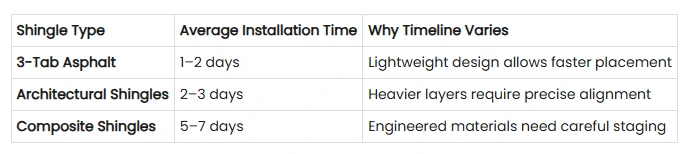
Timeline ranges reflect typical residential installations in Portland conditions
Material is only one variable. Several structural and logistical factors directly influence how long your project takes:
- Roof size: Contractors measure roofs in “squares” (100 sq. ft.). Larger roofs require more tear-off, staging, and installation time.
- Home height: Each additional story can increase setup and removal time by roughly 20–30% due to scaffolding and safety systems.
- Roof complexity: Valleys, dormers, skylights, and chimneys slow installation because each penetration requires custom flashing.
- Weather conditions: Roofing work often pauses during rain, and Portland averages 150+ wet days annually, making weather the biggest scheduling wildcard.
- Permits and inspections: Approval and inspection steps can add days or weeks before or during installation.
Note: Hidden structural issues like rot or mold discovered after tear-off can add 1–3 extra days to installation timelines.
What Happens During the Roof Installation Process?
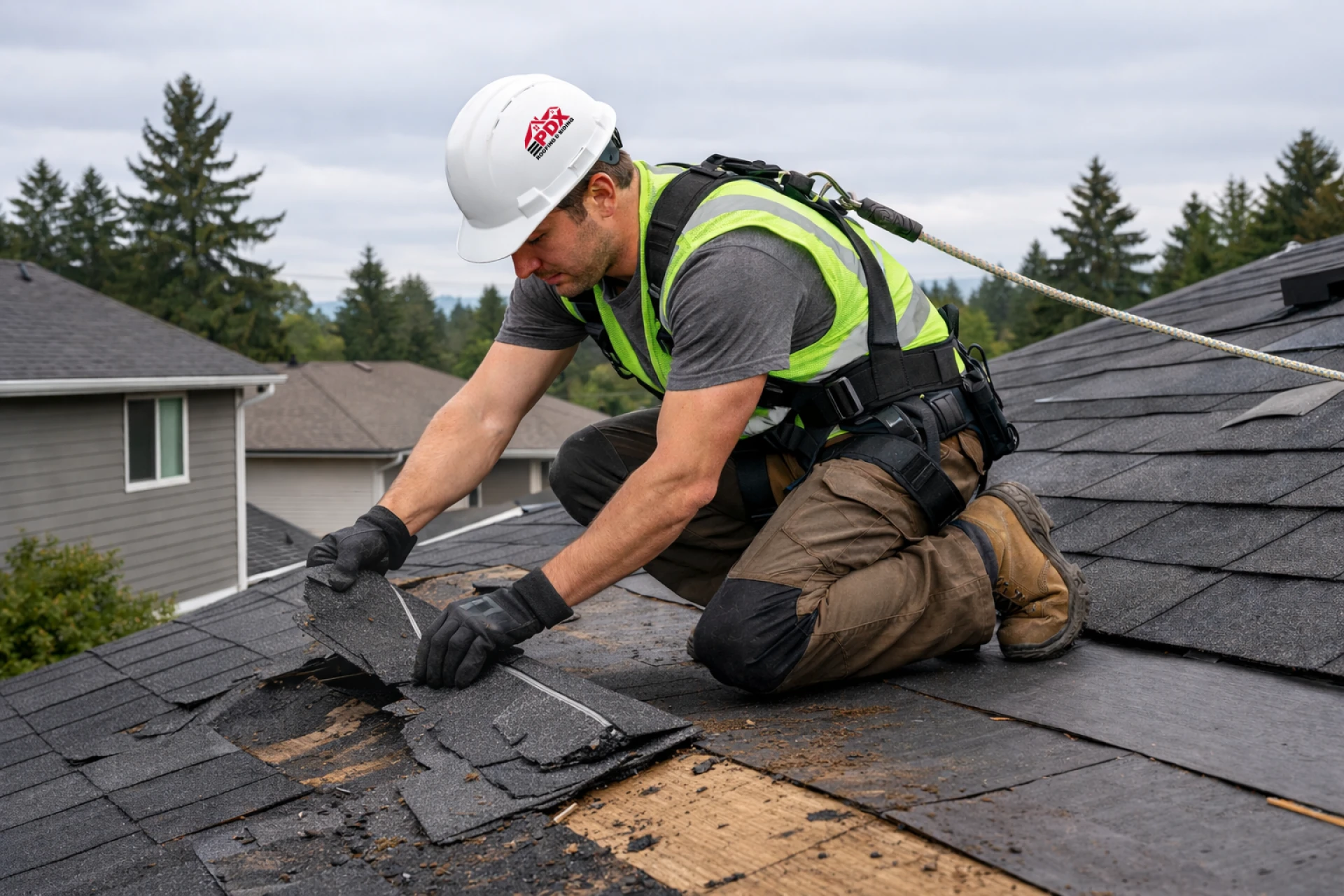
Roof installation follows a structured sequence designed to protect your home at every stage. It begins with a full inspection to confirm scope and materials. Next comes tear-off, where old shingles and underlayment are removed. Contractors then repair decking or structural damage if found, followed by installation of new layers including underlayment, flashing, and shingles. The process ends with cleanup and final inspection to ensure sealing, ventilation, and debris removal meet standards.
“The difference between an average roof and a long-lasting one is attention to detail during installation. Clean edges, tight seals, and correct fastener placement matter more than homeowners realize.” — Senior Field Supervisor, PDX Roofing and Siding
A Typical Day-by-Day Roof Installation Timeline
- Day 1: Inspection, prep, tear-off
- Day 2: Repairs + underlayment installation
- Day 3: Shingle installation + sealing
- Final Day: Cleanup + walkthrough
Expert insight: Timeline varies based on roof size, weather, slope, and hidden damage discovered during tear-off.
Can a Roof Be Installed in One Day?
Yes, but only under ideal conditions. One-day installations usually apply to small, simple roofs with no structural damage and large crews. Complex roofs, repairs, steep slopes, or bad weather extend timelines. Many “one-day” claims refer only to shingle installation, not inspection, prep, repairs, and cleanup.
“Most roofing failures don’t come from bad shingles. They come from skipped prep work. Proper tear-off, decking inspection, and ventilation setup are what determine whether a roof lasts 10 years or 30.” — Installation Expert, PDX Roofing and Siding
What Causes Roof Installation Delays in Portland?
Roofing timelines in Portland are heavily influenced by climate, structure complexity, and hidden damage. Rain is the biggest factor. Even light moisture can pause installation because shingles must seal on dry surfaces to perform correctly. Structural surprises are another common delay. Once old roofing is removed, contractors may uncover rotted decking, mold, or ventilation issues that must be fixed before installation can continue. Permits, steep roof slopes, and material delivery timing can also add unexpected days to a project.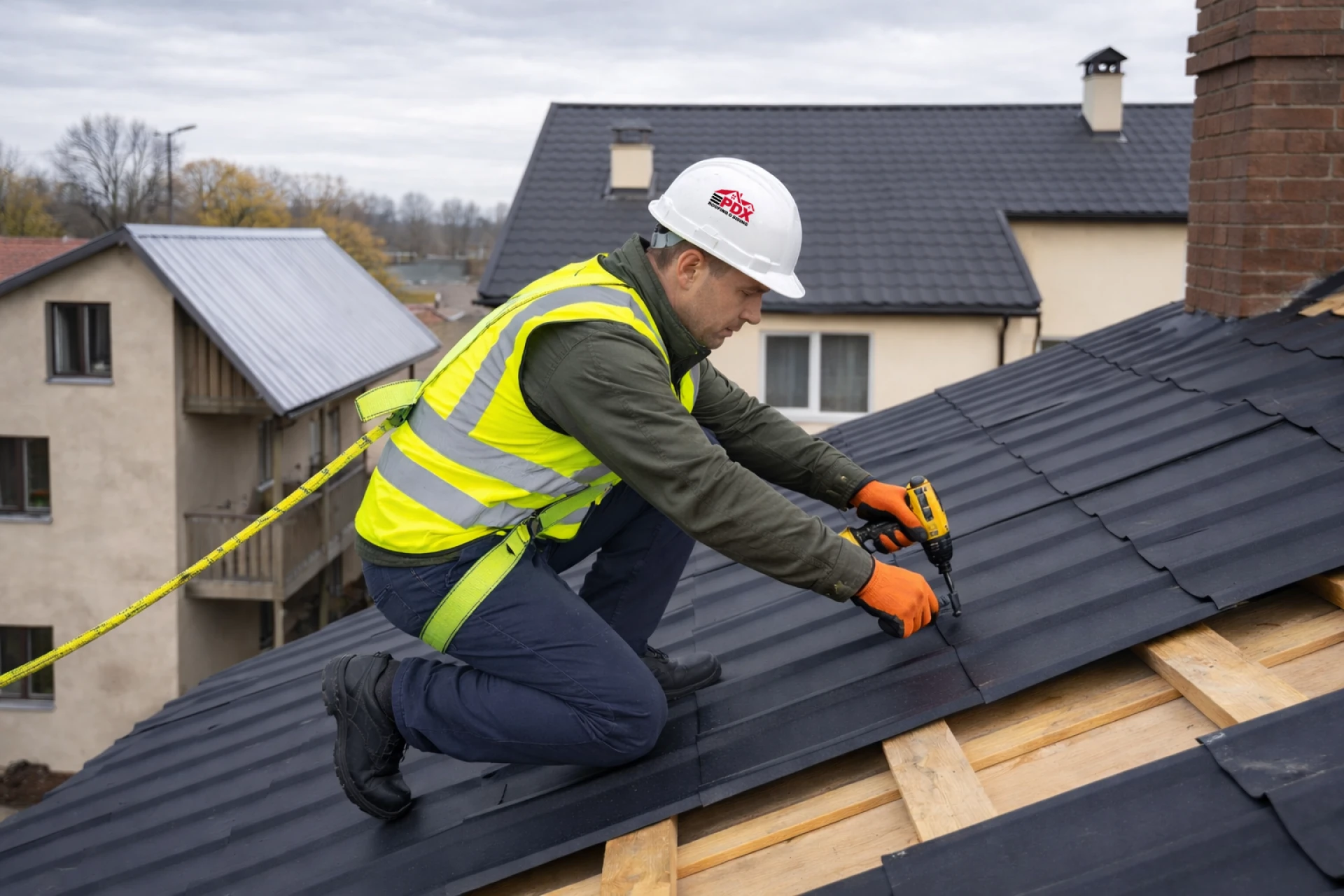
Common Delay Factors
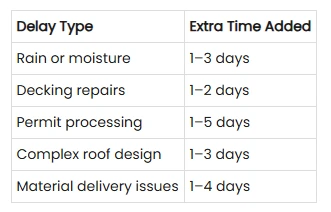
Even well-planned projects can shift. The key is working with a contractor who plans buffers for weather and inspections instead of promising unrealistic timelines.
How Can Homeowners Help Speed Up the Installation?
Homeowners actually influence project speed more than they think. Preparation removes obstacles that slow crews down. Clearing driveways, moving outdoor furniture, and securing pets ensures workers can start immediately. Inside, removing fragile attic items prevents delays if vibrations occur during tear-off. Fast communication also matters. Approving material selections, color choices, and change orders quickly keeps work moving without idle days.
Helpful homeowner actions
- Clear work zones around the house
- Confirm material decisions early
- Provide easy access to power outlets if needed
- Notify neighbors about noise and debris
Fact: Projects with prepared properties and preapproved materials can finish up to 25% faster than jobs where crews must wait on access or decisions.
What’s the Best Season for Roof Installation in Portland?
Late spring through early fall is typically ideal. Dry weather helps materials seal properly and reduces weather delays. Summer offers the fastest turnaround because crews can work longer days and storms are rare. Fall is still good but schedules fill quickly as homeowners rush to finish before winter. Winter installations are possible, but rain and cold temperatures often extend timelines and limit sealing performance. Contractors are usually most available in early spring and late fall when demand dips.
When Should You Schedule Your Roof Replacement?
Timing depends on urgency, roof age, and market demand. If your roof is leaking or showing structural warning signs, scheduling immediately prevents damage from spreading through insulation and framing. If your roof is aging but stable, plan replacement before peak season so you get better scheduling flexibility and pricing.
Short rule of thumb:
- Urgent signs present: Book inspection now
- Roof near 20 years: Schedule within next season
- No issues yet: Plan proactively during off-peak months

Homeowners who plan ahead usually get faster service, more material options, and fewer delays than those who wait until damage forces emergency replacement.
Conclusion
Roof decisions come down to three things: age, damage spread, and how your roof performs in Portland’s wet climate. Localized issues on newer roofs usually point to roof repair, while older systems with widespread wear often make replacement the smarter long-term investment. Acting early protects your home, prevents hidden structural damage, and saves money over time. When you’re unsure, a professional inspection gives you clarity instead of guesswork.
Find Out What Your Roof Really Needs
Not sure how long your roofing project will take or what timeline to expect? The team at PDX Roofing & Siding can assess your roof, explain the factors that affect installation time, and give you a clear, realistic schedule based on your roof size, materials, and site conditions. We focus on transparent timelines so you can plan confidently and avoid surprises during your project.
Free Estimates: We provide free estimates on all services. Call to schedule or request yours online today.
FAQs
1. Do I need to leave my house during roof installation?
Usually no. Most homeowners stay inside safely, though you should expect noise, vibration, and limited driveway access during work hours.
2. Will roof installation affect my utilities?
No. Roofing doesn’t require shutting off water, gas, or electricity unless structural repairs involve electrical systems.
3. How loud is a roof replacement?
It can be loud during tear-off and nailing phases. Many homeowners plan errands or work outside the home during peak installation hours.
4. Can installers work on weekends?
Some contractors offer weekend scheduling, but availability depends on local regulations, crew schedules, and weather windows.
5. Should I replace gutters when replacing a roof?
Not always, but it’s often recommended if gutters are aging or damaged, since installing both together saves labor time and prevents future disruptions.
Original Source: https://pdxroofingandsiding.com/how-long-does-roof-installation-take-in-portland/