



Carpeted environments lend warmth, sophistication, and acoustic comfort to residential and commercial interiors alike. Yet, despite their aesthetic and functional value, carpets remain highly vulnerable to staining. One of the most frequently asked questions in professional maintenance circles is deceptively simple: how long does it take for stains to set in carpet? The answer, while nuanced, carries significant implications for property owners, facility managers, and businesses that rely on immaculate interiors to project professionalism and care.
Understanding the science of staining, the variables that accelerate or slow the process, and the importance of timely intervention provides a foundation for informed decision-making. In markets such as Carpet Cleaning Auburn, AL, this knowledge often marks the difference between straightforward maintenance and costly replacement.
The Science Behind Carpet Stains
A stain begins its life the moment a foreign substance comes into contact with carpet fibers. At first, the substance resides on the surface, suspended between fibers and within the uppermost layer of the pile. At this stage, removal is relatively uncomplicated. However, as time passes, gravity and capillary action draw the substance deeper into the carpet backing and padding.
Simultaneously, chemical reactions begin to occur. Many staining agents contain dyes, sugars, acids, or oils. These components interact with the fiber material—whether nylon, polyester, olefin, or wool—forming molecular bonds that become increasingly difficult to break. Once these bonds stabilize, the stain is said to have “set.”
In many cases, this transition can occur in as little as 30 minutes. Under less favorable conditions, stains may become semi-permanent within hours. After 24 to 72 hours, complete removal often requires professional-grade techniques and specialized solutions.
Variables That Influence How Quickly Stains Set
No two staining events are identical. Several interdependent factors determine how rapidly a stain embeds itself within carpet fibers.
Type of Staining Substance
Water-based spills such as soda, coffee, or juice typically penetrate quickly but are more responsive to early intervention. Oil-based substances, including grease or cosmetics, resist evaporation and cling aggressively to fibers, often setting faster than expected. Tannin-based stains from wine or tea present additional challenges due to their natural dyes.
Carpet Fiber Composition
Synthetic fibers such as nylon are engineered for durability and stain resistance, slowing the setting process. Wool, while luxurious, is highly absorbent and chemically reactive, making it particularly susceptible to rapid staining. The fiber’s twist density and pile height further influence absorption rates.
Temperature and Humidity
Warm environments accelerate chemical bonding and evaporation, which can lock pigments into fibers more rapidly. High humidity may prolong moisture presence, allowing stains to migrate deeper into the carpet structure.
Foot Traffic and Pressure
Perhaps the most underestimated factor is human activity. Walking over a spill grinds the substance into the fibers and backing, dramatically accelerating the setting process. In commercial settings, this can reduce the viable response window to mere minutes.
The Critical Importance of Immediate Response
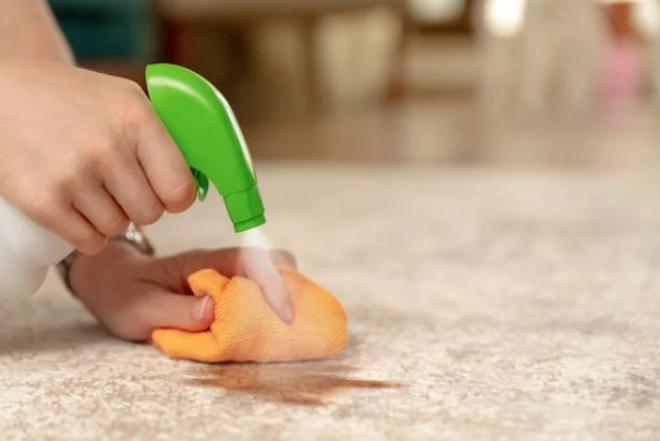
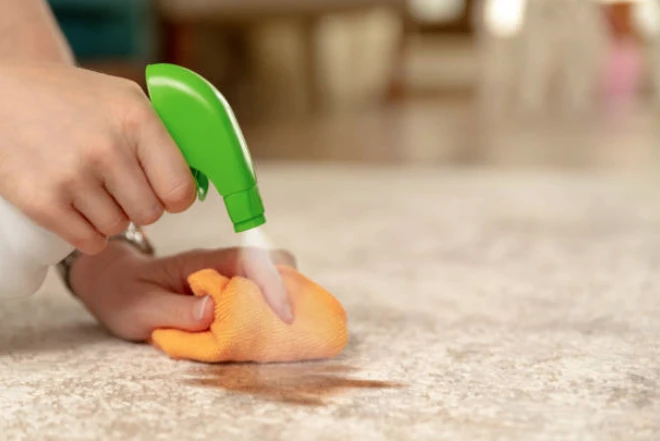
The initial moments following a spill represent a decisive opportunity. Blotting—never rubbing—the affected area with clean, absorbent materials can remove a significant portion of the staining agent before it bonds with the fibers. Even partial removal during this window can substantially improve final outcomes.
However, well-intentioned DIY efforts sometimes exacerbate the problem. Incorrect cleaning agents, excessive moisture, or aggressive scrubbing can spread the stain or damage fibers. This is where professional expertise becomes invaluable, particularly in regions with high standards for interior presentation such as Carpet Cleaning Auburn, AL.
When Does a Stain Become Permanent?
From an industry standpoint, the term “permanent” is relative. Advances in carpet cleaning chemistry and equipment have expanded what is considered recoverable. That said, stains left untreated for extended periods may undergo oxidation, dye transfer, or fiber degradation. At this stage, even professional intervention may yield only partial improvement.
Sunlight exposure can further complicate matters. UV radiation can chemically alter stains, effectively baking them into the carpet. Once this occurs, removal without fiber damage becomes exceptionally difficult.
Professional Intervention and Advanced Techniques
Professional carpet cleaning services employ a multi-layered approach to stain removal. This includes fiber identification, pH testing, targeted pre-treatment, agitation, and extraction using high-efficiency equipment. In certain cases, heat transfer methods or oxidizing agents are applied to reverse chemical bonding.
Organizations such as Voda Cleaning & Restoration of Columbus - Auburn operate with a comprehensive understanding of these processes, ensuring that stains are addressed not merely cosmetically, but at the molecular level. Their methodologies reflect industry best practices developed to handle both fresh spills and long-standing discoloration.
Preventative Strategies for Long-Term Carpet Integrity
While prompt response is essential, prevention remains the most cost-effective strategy. Protective treatments applied after professional cleaning can create a barrier that repels liquids, slowing absorption and buying valuable time. Regular maintenance schedules also prevent soil accumulation, which can trap staining agents and accelerate setting.
In commercial environments, employee education and rapid reporting protocols ensure spills are addressed before foot traffic exacerbates the issue. Residential property owners benefit from keeping appropriate blotting materials readily available and avoiding over-the-counter products that may void carpet warranties.
The Business Case for Professional Carpet Care
Beyond aesthetics, clean carpets contribute to indoor air quality, brand perception, and asset longevity. Stains that set prematurely often necessitate replacement, resulting in unnecessary expense and disruption. In contrast, strategic partnerships with professional providers reduce lifecycle costs and preserve capital investments.
In service regions anchored by Carpet Cleaning Auburn, AL, discerning clients increasingly recognize the value of proactive maintenance supported by experienced professionals. The involvement of Voda Cleaning & Restoration of Columbus - Auburn exemplifies this approach, combining technical precision with responsive service delivery.
Conclusion: Time Is the Defining Factor
The question of how long it takes for stains to set in carpet ultimately underscores a universal truth: time is the defining factor in stain management. While some spills allow a brief grace period, others begin to bond with fibers almost immediately. Understanding the variables at play empowers property owners to act decisively and intelligently.
When immediate efforts fall short or when stains have lingered beyond the optimal response window, professional intervention offers the most reliable path to restoration. With informed practices, preventative strategies, and expert support, carpets can retain their integrity, appearance, and value for years to come—reinforcing the enduring importance of professional carpet care in both residential and commercial settings.