



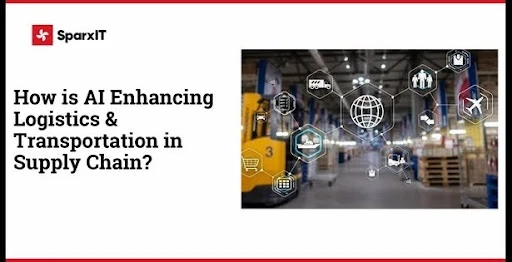
Quickness in making choices, quickness in cutting cycle times, operational speed, and the rate of ongoing development. Artificial intelligence (AI) in supply chain management is here to dwell and is anticipated to have a substantial consequence in the future. According to Gartner, supply chain organizations hope that the share of machine automation in their supply chain operations will quadruple within the subsequent five years.
Concurrently, worldwide expenditure on IoT platforms is expected to increase from $1.67 billion to $12.44 billion in 2024, achieving a 40% compound annual growth rate (CAGR) in just seven years. Reducing uncertainty to maximize productivity is the top priority across all industries in today's connected digital environment.
Reducing uncertainty to maximize productivity is the top priority across all industries in today's connected digital environment. Furthermore, increasing demands for supersonic speed and operational efficiency highlight the necessity of utilizing AI in supply chain management systems and logistics.
Artificial Intelligence (AI) in Supply Chains and Logistics: Success Story
In addition to promoting safer working conditions, artificial intelligence (AI) in supply chains can provide the potent optimization skills needed for more precise capacity planning, better demand forecasting, increased productivity, reduced supply chain costs, and higher output.
The pandemic and the subsequent disruptions have shown the influential consequence of indecisiveness on supply chains and have emphasized the condition of retaining astute contingency plans to aid businesses in effectively managing these risks.
Benefits of AI in Supply Chains
Proper inventory control may guarantee that goods enter and exit a warehouse appropriately. In short, it can assist in avoiding unexpected stock-outs, insufficient or excessive stocking, and overstocking. However, order processing, choosing, and packing are just a few inventory-related variables involved in the inventory management process. These variables can make the process time-consuming and highly error-prone. This is where AI-driven supply chain planning systems and methods can be quite valuable because of their capacity to manage large amounts of data.
These intelligent systems may swiftly analyze and interpret large datasets, enabling them to deliver timely supply and demand forecasting advice. Some AI development company are so sophisticated that they can estimate seasonal demand and anticipate and identify new consumer patterns.
Warehousing Efficiently
A well-functioning warehouse is essential to the supply chain. AI in inventory management can help ensure a seamless customer journey and prompt item recovery from a warehouse. AI systems can also expedite work, simplify complex procedures, and address several warehouse problems faster and more correctly than a human can. Additionally, AI-driven automation initiatives can significantly lower warehouse workers' costs and requirements and save time.
Reduced Operation Costs
This is one hard-to-overlook advantage of AI development services for supply chains. Automated intelligent operations, from customer service to the warehouse, can operate error-free for extended periods of time, lowering the number of workplace mishaps and errors caused by human oversight. Furthermore, warehouse robots can achieve higher productivity with incredible speed and accuracy, translating into lower operating expenses.
On-time Delivery
As we previously covered, AI technologies help reduce reliance on manual labor, speeding up, securing, and improving the overall process. This drives it more leisurely to ensure prompt delivery to the client. To meet delivery deadlines, automated systems expedite conventional warehouse processes and eliminate operational bottlenecks along the value chain with little effort.
Final Thoughts
In the logistics sector, artificial intelligence is a true force to be considered. It offers excellent chances to automate repetitious activities, expand productivity, and cut expenditures. Businesses can benefit from these applications of AI in supply chain management systems and maintain an advantage over rivals. All organizations can benefit from AI, whether they are involved in more traditional logistics or e-commerce logistics. However, e-commerce is primarily online and heavily dependent on technology, so it is more conducive to applying AI in this context. The logistics sector has countless opportunities as AI technology develops, data integration and compatibility, scalability, precise forecasting, closing knowledge and skill gaps, increasing efficiency, and more.