



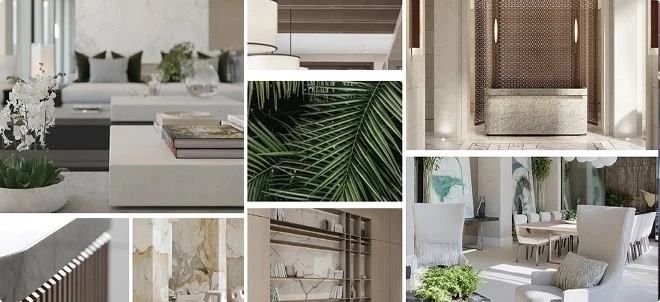
Designing a home sounds dreamy until real life walks in. Kids drop backpacks in the hallway. Work spills onto the dining table. Weekends demand comfort, not perfection. This is where an experienced interior design house planner truly earns their place. The job is not just about making a home look good. It is about making it work beautifully for the people living in it.
This blog will talk about how the best professionals balance beauty, function, and lifestyle without sacrificing any of the three.
It Always Starts With Your Life, Not a Mood Board
A common myth is that interior designers start with colors and furniture. In reality, the best interior design house planner near Delray starts with questions.
● How do you live on weekdays?
● Do you host often or prefer quiet evenings?
● Do you work from home?
● Do you have kids, pets, or both?
These answers shape every design choice. A stylish white sofa might look stunning, but it may not survive a home with toddlers and pets. A good planner listens first and designs second.
This lifestyle driven approach is what separates thoughtful design from showroom style interiors that look great but feel impractical.
Beauty With Purpose, Not Just Decoration
Yes, beauty matters. A well designed home should make you feel good the moment you walk in. But beauty without purpose quickly becomes frustrating.
Interior design house planners focus on visual harmony that also supports daily routines.
That means:
● Choosing materials that age well and are easy to maintain
● Using colors that support mood and light conditions
● Designing layouts that feel open but not empty
Instead of decorating every corner, they design with intention. Every element earns its place.
When you walk into the best interior design showroom, you will notice this balance instantly. The space feels aspirational but also livable. That is not an accident. It is planned.
Function Is the Quiet Hero of Great Design
Function rarely gets applause, but it makes or breaks a home.
Smart planners think about flow. How you move from room to room. Where you pause. Where storage is needed but should stay hidden.
Functional design includes:
● Storage that blends seamlessly into walls and furniture
● Kitchen layouts that support real cooking habits
● Lighting that changes from task focused to relaxed
● Furniture placement that supports conversation and movement
The goal is simple. Your home should work effortlessly. You should not have to adjust your life to fit the design. The design should adjust to you.
Lifestyle Zones Are the New Must Have
Modern homes are multi-purpose. Living rooms double as workspaces. Bedrooms are no longer just for sleep. This is where lifestyle zoning comes in.
A skilled interior design house planner divides spaces subtly without adding walls. They use furniture, lighting, textures, and rugs to define how a space is used.
For example:
● A reading corner within a living room
● A compact home office that disappears after work hours
● A dining space that feels intimate even in open layouts
These zones support different moods throughout the day while keeping the home visually cohesive.
Why Showrooms Matter More Than You Think
Visiting the best interior design showroom is not just about looking at furniture. It is about experiencing scale, comfort, and quality in real life.
Showrooms help planners and homeowners:
● Understand proportions before final decisions
● Feel material textures and finishes
● See how lighting affects color and mood
● Compare options side by side
A good planner uses showroom visits strategically. It helps avoid costly mistakes and ensures what looks good on paper feels right in reality.
Personal Style Without Chaos
Everyone wants a home that reflects their personality. The challenge is doing this without visual clutter.
Interior design house planners act as editors. They help refine ideas, not erase them. Your memories, preferences, and tastes are woven into the design through art, materials, and custom details.
Instead of following trends blindly, they focus on timeless design with personal touches. This approach ensures your home still feels relevant years later.
Sustainability Is Part of the Lifestyle Conversation
Modern design is not complete without thinking about sustainability. Today’s planners consider long term impact alongside aesthetics.
This includes:
● Durable materials that reduce frequent replacement
● Energy efficient lighting and layouts
● Locally sourced furniture when possible
Sustainable choices often align with better functionality and comfort. They also reflect a conscious lifestyle, which many homeowners value deeply.
The Real Balance Happens Behind the Scenes
What you see in a finished home is the result of countless decisions you never notice. Measurements, ergonomics, circulation, lighting levels, and storage planning all happen quietly in the background.
That is why working with the best interior design house planner makes such a difference. They balance beauty, function, and lifestyle so naturally that the home simply feels right.
You do not think about why it works. You just enjoy living in it.
Summary:
Great interior design is not about choosing between style and comfort. It is about blending them thoughtfully. When beauty supports function and function supports lifestyle, the result is a home that truly belongs to you.
If you want inspiration, spend time in the best interior design showroom in South Florida. If you want results, work with a planner who listens deeply and designs intentionally.
Your home should not just impress visitors. It should support your life, every single day.