



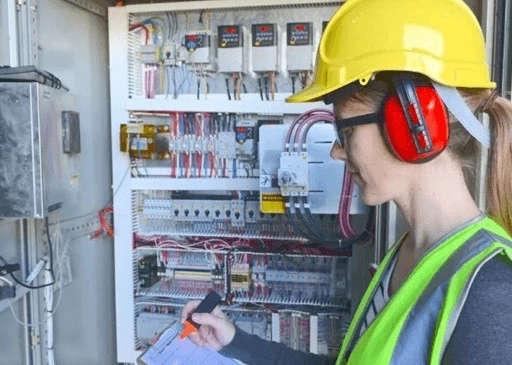
Power quality is a critical aspect of modern electrical systems, particularly in industrial, commercial, and high-rise infrastructure environments. Poor power quality can lead to equipment malfunctions, energy losses, and increased operational costs. To address these challenges, engineers rely on advanced diagnostic tools, and one of the most effective methods is Harmonic Analysis. Companies like Cornerstone Middle East, known for their testing and inspection expertise, leverage harmonic analysis to ensure electrical systems operate efficiently and safely.
Understanding Harmonics in Electrical Systems
In ideal conditions, electrical power is delivered as a smooth sinusoidal waveform at a standard frequency (50 or 60 Hz). However, in real-world scenarios, non-linear loads such as variable frequency drives, UPS systems, and LED lighting can distort this waveform, creating harmonics. Harmonics are essentially unwanted frequencies superimposed on the primary voltage or current waveform.
The presence of these harmonics can cause several issues, including overheating of transformers, malfunctioning of sensitive equipment, and increased energy losses. Without proper analysis, identifying the source and impact of these distortions can be extremely challenging. This is where Harmonic Analysis becomes indispensable.
The Role of Harmonic Analysis in Testing and Inspections
Harmonic Analysis is a process that measures the harmonic content in electrical systems. By using specialized diagnostic instruments, engineers can capture voltage and current waveforms and break them down into individual frequency components. This detailed insight allows them to identify not only the presence of harmonics but also their sources and severity.
At Cornerstone Middle East, harmonic analysis forms an integral part of electrical inspections. Their team of engineers performs comprehensive assessments, measuring Total Harmonic Distortion (THD) in both voltage and current. These measurements help in determining whether the power quality meets regulatory and operational standards. Accurate data from harmonic analysis allows engineers to recommend corrective measures, such as installing harmonic filters or optimizing load distribution.
Identifying Power Quality Issues with Precision
Poor power quality manifests in multiple ways, and without proper diagnostics, the root causes may remain hidden. Common issues include flickering lights, overheating motors, frequent tripping of circuit breakers, and reduced lifespan of electrical components. Harmonic Analysis enables engineers to detect these problems early.
For instance, an industrial plant may experience unexpected equipment failures. By conducting harmonic analysis, engineers can pinpoint specific non-linear devices contributing to harmonic distortion. They can also determine if harmonics exceed acceptable limits defined by standards such as IEEE 519. With these insights, solutions like phase shifting transformers or harmonic filters can be implemented, effectively mitigating risks.
Benefits of Harmonic Analysis in Electrical Inspections
The benefits of harmonic analysis in testing and inspections extend beyond simply identifying problems.
- Preventive Maintenance: Regular harmonic analysis allows engineers to detect issues before they escalate, reducing downtime and maintenance costs.
- Energy Efficiency: Harmonics increase losses in electrical systems. By analyzing and mitigating harmonics, energy efficiency improves, resulting in lower operational costs.
- Equipment Protection: Sensitive equipment such as PLCs, servers, and motor drives are vulnerable to harmonic distortion. Early detection ensures their longevity and reliable operation.
- Regulatory Compliance: Adherence to power quality standards is critical in commercial and industrial installations. Harmonic analysis helps in maintaining compliance with international standards.
Cornerstone Middle East applies these benefits in practical scenarios, combining advanced instruments with skilled engineers to deliver precise and actionable results for clients across the UAE and GCC region.
Tools and Techniques Used in Harmonic Analysis
Harmonic analysis involves the use of sophisticated instruments capable of measuring high-frequency disturbances. Power quality analyzers, digital oscilloscopes, and specialized software tools allow engineers to visualize and quantify harmonic components.
Modern analyzers can monitor harmonics in real-time, providing dynamic insights into the electrical network. At Cornerstone Middle East, these tools are integrated into a broader testing and inspection framework. Their engineers not only measure harmonic levels but also correlate findings with other power quality parameters such as voltage sag, swell, and transients, providing a holistic understanding of system performance.
Real-World Applications of Harmonic Analysis
In industrial and commercial settings, Harmonic Analysis is applied in various ways:
- Industrial Facilities: Identifying harmonic-producing machinery and implementing corrective measures to protect motors, drives, and transformers.
- Commercial Buildings: Ensuring that lighting, HVAC systems, and IT equipment operate without interference from harmonic distortions.
- Critical Infrastructure: Hospitals, data centers, and communication facilities require clean power to avoid operational failures; harmonic analysis ensures stable and reliable supply.
By implementing harmonic analysis, engineers help facilities maintain continuous operations, reduce energy costs, and extend equipment life.
Integration with Comprehensive Testing Services
Harmonic analysis is often part of a broader spectrum of testing and inspection services. At Cornerstone Middle East, it complements other assessments such as thermal imaging, insulation resistance testing, and load flow studies. This integrated approach ensures a complete evaluation of electrical systems, enabling informed decisions about maintenance and upgrades.
For example, during a building inspection, harmonic analysis might reveal power quality issues affecting sensitive electronic systems. This data, combined with thermal imaging of electrical panels, allows engineers to recommend precise interventions, preventing both immediate failures and long-term degradation.
Conclusion
In today’s technology-driven world, electrical systems form the backbone of industrial and commercial operations. Ensuring their reliability and efficiency requires more than routine maintenance; it demands precise diagnostics and proactive problem-solving. Harmonic Analysis is an essential tool in this process, enabling engineers to identify and mitigate power quality issues effectively.
By leveraging advanced testing methods and comprehensive inspections, Cornerstone Middle East empowers clients to achieve optimal electrical performance. Their expertise ensures that systems are safe, efficient, and compliant with international standards. For engineers, facility managers, and decision-makers, harmonic analysis provides clarity, control, and confidence in managing electrical assets.
In summary, integrating harmonic analysis into electrical testing not only identifies hidden power quality issues but also enhances operational efficiency, safeguards equipment, and ensures long-term system reliability. Companies like Cornerstone Middle East demonstrate how methodical inspections and professional expertise can transform power quality management, delivering measurable benefits across industries.