
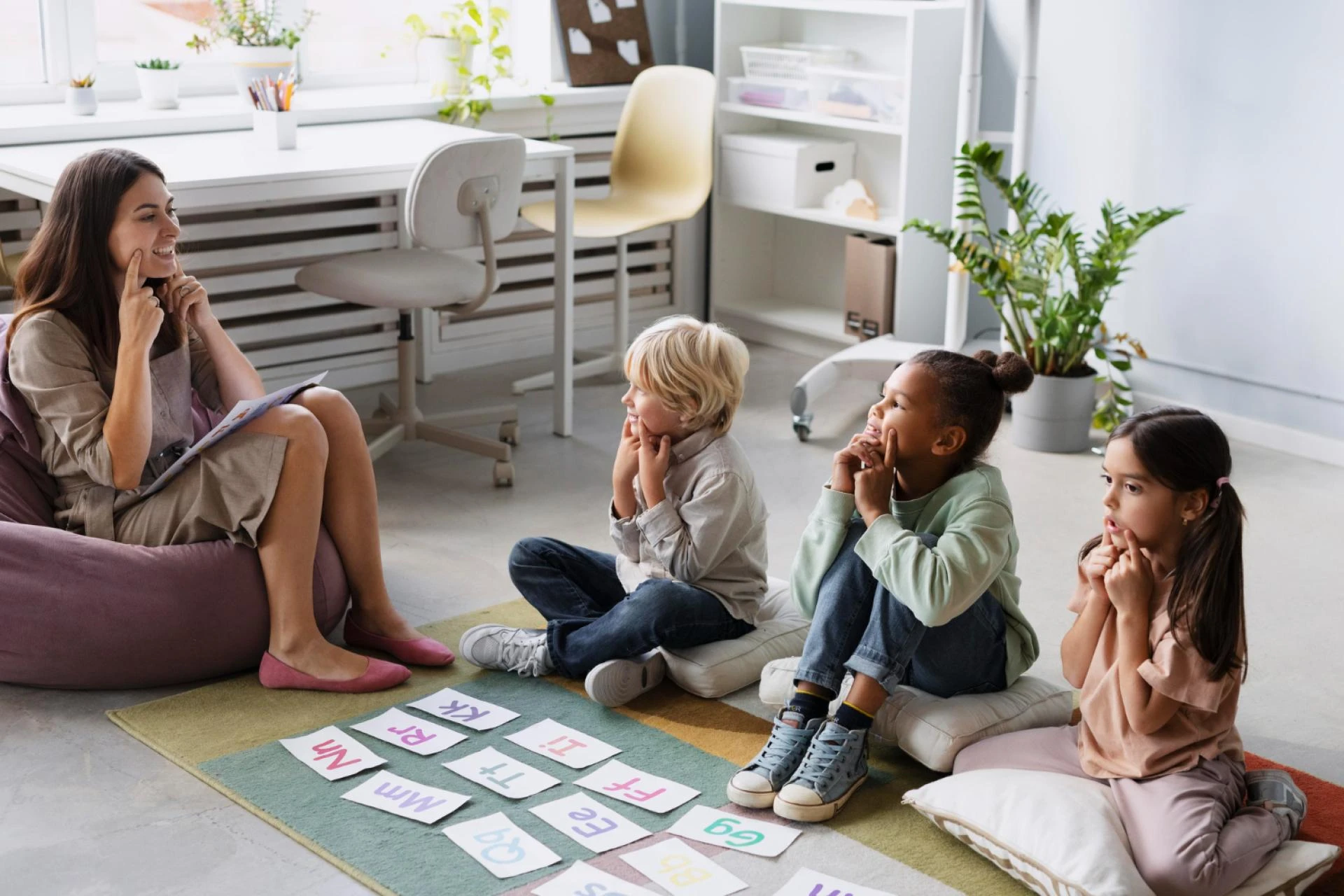
Every child experiences big feelings—from excitement and curiosity to frustration and fear. But not every child knows how to talk about them. That’s where a supportive environment like group therapy for kids and play therapy makes a world of difference.
At Resilient Mind Psychotherapy, therapists understand that emotional growth doesn’t happen in silence. It happens in connection—through creativity, imagination, and the gentle encouragement that allows children to express themselves freely.
💬 Why Children Struggle to Express Feelings
Think about how complex emotions are even for adults. Now imagine trying to explain sadness, anger, or worry when you’re only eight years old and still learning what those feelings mean.
Children often communicate through behavior, not words—tantrums, withdrawal, or constant “acting out” can be their way of saying something feels wrong inside.
Therapy offers a space where feelings are no longer confusing or punished. Instead, they’re explored, named, and transformed into understanding.
🎨 The Language of Play
Play is not “just fun.” It’s a language — one that allows kids to explore emotional realities safely.
In play therapy, a child might use dolls to replay a family argument or build a tower to represent safety. A trained therapist helps them translate these stories into insights: “It sounds like you wanted to protect your brother,” or “It must have felt scary when things changed suddenly.”
By transforming play into communication, children begin to connect actions with emotions and thoughts. That bridge leads to emotional regulation — the ability to pause, think, and respond instead of reacting.
👧 Group Therapy: Growing Confidence Together
While one-on-one sessions focus on self-awareness, group therapy helps children understand relationships.
In a small group setting, children practice how to listen, share, cooperate, and support each other. For kids with social anxiety, this can be life-changing.
When a child sees a peer speak up about their own fear, they realize they’re not alone. The experience normalizes vulnerability — something that helps reduce isolation and shame.
Therapists gently guide interactions to ensure every child feels safe and validated. The group celebrates small victories, like making eye contact or asking a friend to join a game. Over time, these social moments build genuine confidence.
🌦 The Emotional Weather Approach
A favorite tool among child therapists is the Emotional Weather Wheel. It compares feelings to weather — sunny, cloudy, stormy, or windy — helping children visualize emotions as temporary and natural.
Instead of labeling emotions as “good” or “bad,” the focus shifts to awareness:
- “I’m feeling cloudy today.”
- “I’m in a storm but it’ll clear up soon.”
This playful metaphor teaches that emotions change and that every child has the power to handle them. It encourages curiosity rather than fear — a foundation for lifelong emotional resilience.
🌼 What Parents Notice Over Time
Parents often describe subtle but meaningful changes after several weeks of therapy:
- Children begin expressing frustration with words instead of tears.
- Morning routines become calmer.
- Friendships at school improve.
- Confidence grows — especially in kids who were once shy or withdrawn.
These transformations don’t happen instantly, but they reflect real internal progress. Each small step — like saying, “I feel nervous” instead of shutting down — marks emotional growth.
🧠 Why Creative Therapies Work
Children learn best through sensory and imaginative experiences. Drawing, storytelling, and building with clay or blocks all activate brain regions that connect movement, memory, and emotion.
When kids act out feelings rather than suppress them, they integrate experiences more completely. They don’t just “talk about” being brave — they practice it through play.
That’s why creative therapies are especially effective for young minds: they make invisible emotions visible.
❤️ A Community of Support
At Resilient Mind Psychotherapy, therapy isn’t about changing who a child is — it’s about helping them discover who they can be when they feel safe, seen, and supported.
Whether your child joins a small group or participates in play-based sessions, they’ll be guided by therapists who understand childhood emotions deeply. Each activity is intentional — designed to teach coping, expression, and empathy in a way that feels natural, not forced.
🌤 Building Emotional Resilience for Life
At its heart, the Emotional Weather Wheel reminds us that emotions — like the weather — are always shifting. No storm lasts forever.
At Resilient Mind Psychotherapy, we help children and teens learn to navigate their emotional climates with curiosity and strength. Through creative methods and compassionate guidance, they discover that emotions aren’t to be feared — they’re to be understood.
When a child learns this lesson early, they carry it for life: the ability to stay calm in chaos, to connect deeply with others, and to trust in their own resilience.
Author: Resilient Mind Psychotherapy
Location: 541 Bay Ridge Pkwy Suite LL, Brooklyn, NY 11209