



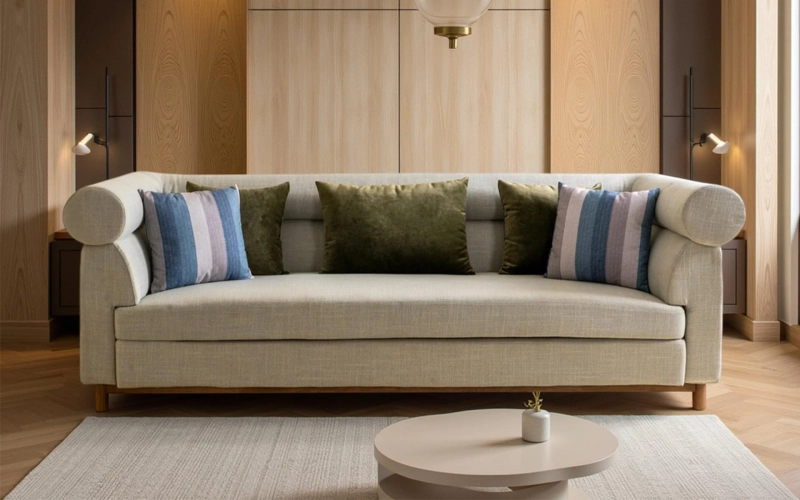
Designing a comfortable and visually appealing home is not about choosing individual items separately. A well-balanced space is created when furniture, lighting, and home décor work together in harmony. Each element has a unique role, but it’s their coordination that defines how a room feels, functions, and evolves over time.
Modern homes, especially urban apartments, demand thoughtful planning. Limited space and multifunctional living areas make it essential to approach interior design as a complete system rather than a collection of standalone pieces.
Furniture: The Structural Foundation of a Home
Furniture forms the foundation of interior design. It defines layout, circulation, and usability within a space. Sofas establish seating zones in living rooms, dining tables anchor family interactions, and beds determine comfort and rest in bedrooms.
Proportion is key when selecting furniture. Oversized pieces can make a room feel cramped, while furniture that is too small may appear disconnected or impractical. Well-proportioned furniture creates balance and allows rooms to feel open and organized.
Material quality also plays a crucial role in long-term satisfaction. Solid wood furniture is often preferred because of its strength, stability, and timeless appeal. Natural wood textures add warmth and character, helping interiors feel inviting rather than rigid or overly modern.
Comfort and Function Over Short-Lived Trends
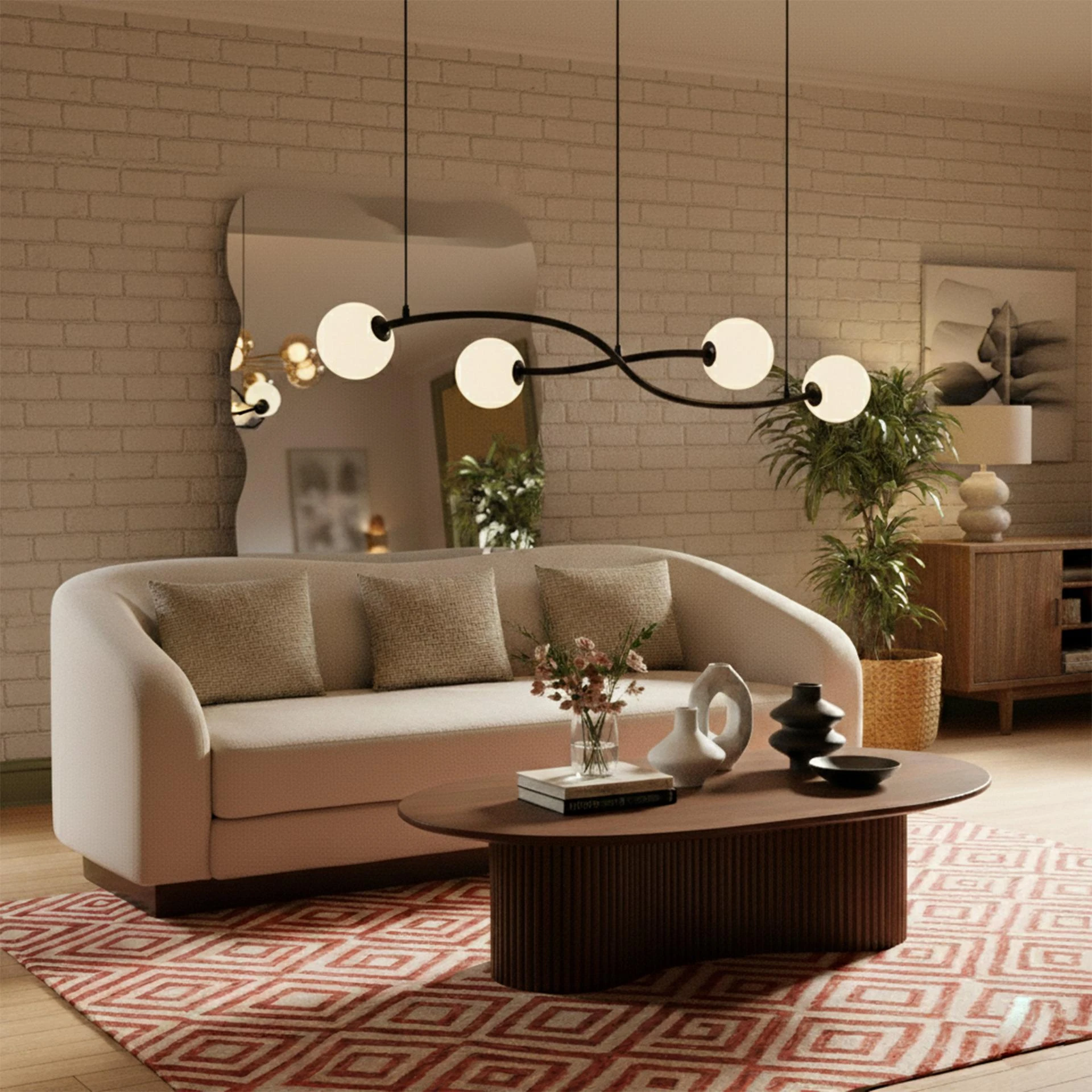
Furniture is a long-term investment, and comfort should always take priority over trends. Pieces that look good but lack ergonomic support or structural strength can quickly become frustrating in daily use.
Comfort-focused design includes proper seat height, supportive backs, stable frames, and functional layouts. Furniture that balances comfort with clean design remains relevant even as décor styles change, reducing the need for frequent replacements.
Lighting: Setting Mood and Enhancing Functionality
Lighting has a powerful impact on how interiors are experienced. It affects mood, visibility, and even how furniture and décor appear. Poor lighting can make a well-designed room feel dull, while thoughtful lighting can transform a simple space.
A layered lighting approach works best:
- Ambient lighting provides overall illumination
- Task lighting supports specific activities like reading or working
- Accent lighting highlights décor and architectural details
Together, these layers create depth and flexibility, allowing spaces to adapt to different times of day and activities.
Making Spaces Feel Larger with Smart Lighting
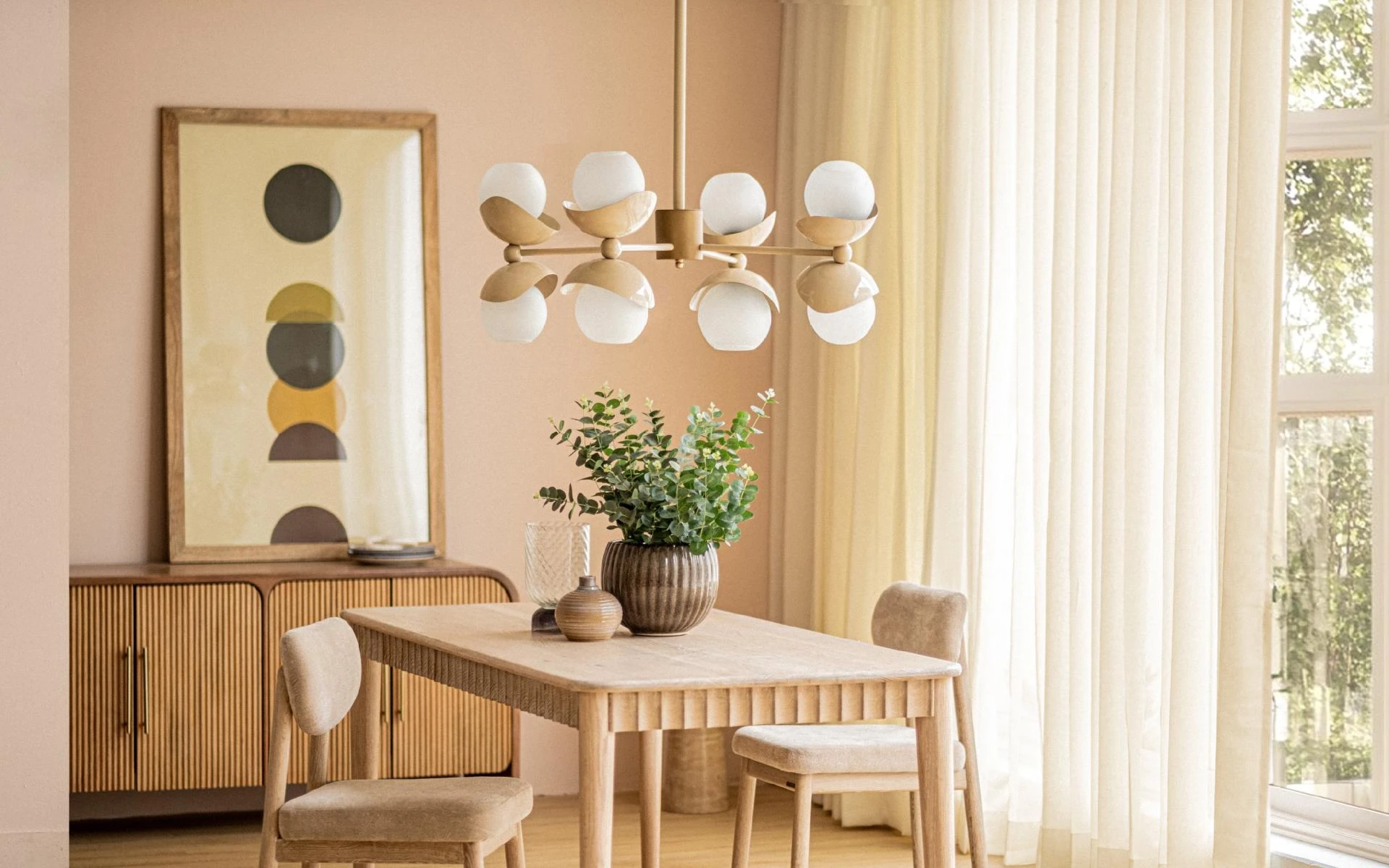
Lighting is especially important in smaller homes. Well-placed lights can visually expand spaces, reduce harsh shadows, and improve overall flow. Wall-mounted lights, pendant lamps, and floor lamps add brightness without occupying floor space.
Warm lighting enhances natural materials like wood, bringing out textures and creating a cozy atmosphere. Dimmable lighting adds further flexibility, allowing homeowners to adjust brightness based on mood or function.
Home Décor: Bringing Personality into the Space
While furniture and lighting create structure, décor adds personality. Décor elements help personalize interiors and make a house feel like a home.
Common décor choices include cushions, rugs, artwork, mirrors, plants, and decorative accessories. These elements soften interiors and add visual interest without requiring permanent changes.
Décor also allows spaces to evolve. Neutral furniture paired with flexible décor makes it easy to refresh a room seasonally or over time without replacing major furniture pieces.
Achieving Balance Without Clutter
One of the biggest challenges in interior design is avoiding clutter. Too many décor items can overwhelm a space and distract from key furniture pieces.
A balanced approach focuses on fewer, well-chosen elements with enough breathing room. Negative space is just as important as decoration—it helps rooms feel calm, organized, and visually pleasing.
The Emotional Impact of Interior Design
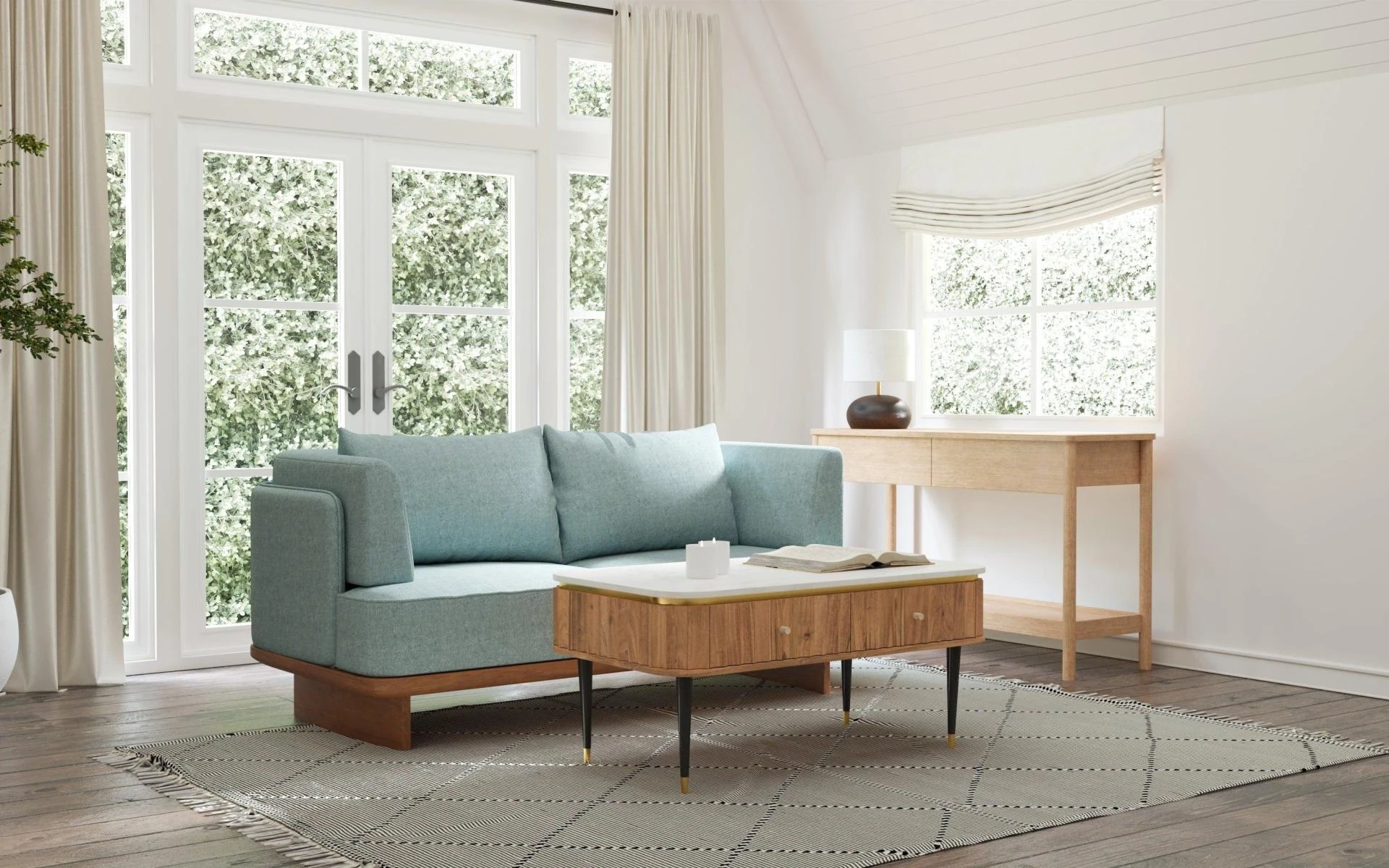
Furniture, lighting, and décor directly influence mood and comfort. Warm lighting, natural materials, and soft furnishings promote relaxation, while harsh lighting and overcrowded layouts can feel stressful.
Living rooms benefit from layered lighting and comfortable seating, bedrooms feel calmer with minimal décor and softer light, and dining areas become more inviting with focused lighting and balanced proportions.
When these elements work together, homes feel intentional rather than accidental.
Designing for Long-Term Living
A well-designed home should adapt to changing needs. Furniture that is timeless rather than trend-driven allows for flexibility as lifestyles evolve. Neutral foundations make it easier to update décor and lighting without major changes.
This approach also supports sustainability. Investing in durable furniture and updating décor gradually reduces waste and encourages mindful consumption.