



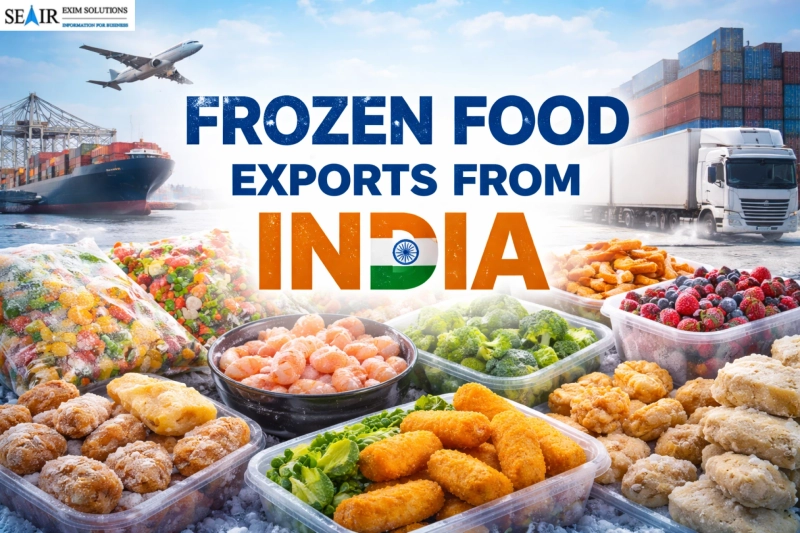
India has become a strong player in the global frozen food market due to its diverse agricultural base and improving cold chain infrastructure. The demand for Indian frozen products is growing rapidly across international markets, making it a profitable sector for exporters and traders.
This guide explains everything you need to know about frozen food export, including classifications, market trends, and opportunities for businesses.
Overview of Frozen Food Exports from India
The rise of frozen food exports from India is driven by changing consumer lifestyles and increasing demand for convenience foods worldwide. Products such as frozen vegetables, ready-to-eat meals, meat, and seafood are widely exported.
India benefits from:
- Abundant raw material supply
- Competitive pricing
- Expanding processing facilities
These advantages make the country a reliable hub for global frozen food trade.
Understanding HS Code and Classification
To export frozen products, it is important to understand the frozen food hs code system. This classification helps identify goods in international trade and ensures smooth customs clearance.
The HS code is a globally accepted system used to categorize traded goods. In India, this is aligned with the hsn code search mechanism, which allows exporters to find the correct classification for their products.
Proper classification helps in:
- Avoiding shipment delays
- Ensuring compliance with trade laws
- Calculating duties and taxes accurately
Types of Frozen Food Exported from India
India exports a wide range of frozen products. The most common categories include:
1. Frozen Vegetables
The demand for frozen vegetables exporters india is increasing due to year-round availability and longer shelf life. Popular items include peas, corn, spinach, and mixed vegetables.
2. Frozen Meat and Seafood
India is a leading exporter of frozen shrimp and buffalo meat, serving markets in the Middle East, Europe, and Asia.
3. Ready-to-Eat and Processed Foods
Many frozen and processed foods exporters supply packaged meals that are easy to cook and store, meeting the needs of modern consumers.
Key Markets and Frozen Food Buyers
Global demand for frozen food continues to grow, especially in countries with busy lifestyles. Major frozen food buyers are located in:
- United States
- United Arab Emirates
- Saudi Arabia
- United Kingdom
- Southeast Asia
These markets prefer high-quality, hygienically processed products with proper packaging.
Role of Frozen Food Exporters in India
The success of frozen food exporters in India depends on quality standards, certifications, and supply chain management. Exporters must follow strict guidelines related to food safety and storage.
Leading frozen food exporters in india focus on:
- Maintaining international quality standards
- Using advanced freezing technologies
- Ensuring timely delivery
Their efforts have helped India build a strong reputation in the global frozen food industry.
Top Frozen Food Companies in India
Several top frozen food companies in india are contributing significantly to export growth. These companies invest in modern processing units and maintain global certifications such as HACCP and ISO.
Their strong distribution networks and consistent product quality make them preferred suppliers in international markets.
Process of Frozen Food Export from India
The process of frozen food export from india involves several important steps:
- Product Selection – Choosing high-quality raw materials
- Processing and Freezing – Using modern preservation techniques
- Packaging – Ensuring safe and hygienic packing
- Documentation – Including export licenses and certifications
- Shipping – Maintaining cold chain logistics
Each step is crucial to maintain product quality during transit.
Importance of Data in Export Business
Accurate trade data plays a key role in identifying market opportunities. Exporters use data insights to:
- Track demand trends
- Analyze competitor activity
- Identify potential buyers
This helps businesses make informed decisions and expand globally.
Challenges in Frozen Food Export
Despite growth, exporters face some challenges:
- Maintaining cold storage during transportation
- Meeting international food safety standards
- Fluctuating demand and pricing
- Regulatory compliance
Addressing these challenges is essential for long-term success.
Future of Frozen Food Exports
The future of frozen food exports from India looks promising. With increasing demand for convenience food and improvements in logistics, the sector is expected to grow steadily.
Government support and infrastructure development will further boost export opportunities for Indian businesses.
Conclusion
India’s frozen food industry is expanding rapidly, offering excellent opportunities for exporters and traders. With proper knowledge of classifications like HS codes and access to reliable market insights, businesses can achieve global success. Tools like import export data help track trade patterns and identify new opportunities. Platforms such as Seair support exporters by providing accurate trade data and insights to grow their business.