



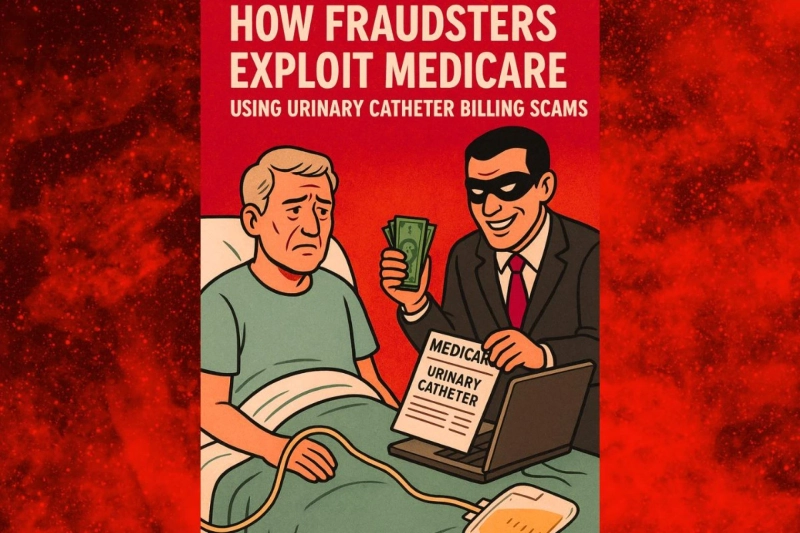
When we think of Medicare fraud, we might imagine complex schemes involving phantom surgeries or fake clinics. But some of the most costly and brazen scams are far simpler, targeting vulnerable seniors with medical supplies they never asked for and don't need. One of the most rampant examples is the medicare fraud scheme focused on urinary catheters, also known as the urinary catheter billing scam.
This fraud is a multi-billion-dollar drain on the Medicare system, costing taxpayers and putting seniors at risk. Understanding how it works is the first step in protecting yourself and your loved ones.
The Anatomy of a Catheter Scam: How It Works
The scheme is often deceptively simple and follows a familiar playbook used for other medical equipment like back braces and diabetic supplies.
The Illegitimate "Medical Supply Company" is Born:
- Durable Medical Equipment Fraud begins when fraudsters set up shell companies that appear to be legitimate Durable Medical Equipment (DME) suppliers. They obtain a Medicare billing number through stolen or fabricated credentials.
- Harvesting Medicare Information: This is the critical step. Scammers acquire beneficiaries' Medicare ID numbers through:
- Cold Calls: Posing as Medicare representatives offering "free" catheters or other medical supplies.
- Fake Surveys or Health Risk Assessments: Promising a gift card for a few minutes of time, which is just a ruse to collect personal data.
- Data Breaches: Purchasing stolen information from the dark web.
- Complicit Doctors: Working with unethical physicians who provide patient lists and fraudulent prescriptions for a kickback.
- The "Unordered Service" Scam: With a Medicare number in hand, the fraudulent company submits a claim to Medicare for a large shipment of urinary catheters—often expensive, sterile, single-use catheters. The beneficiary may have never heard of the company and certainly didn't order or receive the supplies.
- Cashing In and Disappearing: Medicare pays the claim, often automatically for smaller amounts. The fraudster collects the money, and by the time the scheme is detected, they have shut down the operation and moved on to a new company name, repeating the cycle.
Why Catheters? The "Perfect Storm" for Fraud
You might wonder why catheters are such a popular target. They represent a "perfect storm" of opportunity for criminals:
- High Reimbursement: Certain types of catheters, especially sterile intermittent catheters, are reimbursed at a relatively high rate by Medicare, making them a lucrative target.
- Chronic Need: For patients who require them, catheters are a recurring need. This allows scammers to bill for continuous monthly supplies, maximizing their illicit profit from a single stolen Medicare number.
- Automatic Payments: For lower-value claims, Medicare’s system may pay them automatically to streamline the process, with reviews happening later. Scammers exploit this by keeping their fraudulent claims just under the radar.
- Patient Embarrassment: Issues like urinary incontinence can be deeply personal and embarrassing. A senior who receives an unrequested catheter shipment might be too uncomfortable to question it or report it, assuming it was a mistake from their actual doctor.
The Real-World Consequences Are Staggering
This isn't a victimless crime. The ripple effects are profound:
- For Taxpayers: This fraud directly steals from the Medicare Trust Fund, which is funded by taxpayer dollars. This waste contributes to the rising cost of healthcare for everyone and threatens the program's long-term sustainability.
- For Seniors: Beneficiaries are the primary victims. Their medical identity is stolen, which can lead to:
- Denial of Future Care: If their file is flagged for "overutilization," they could be denied legitimate medical equipment or services they truly need.
- Harassment: They may be bombarded with calls from other scammers who now have their information.
- Confusion and Stress: Dealing with the fallout of medical identity theft is a time-consuming and stressful ordeal.
Red Flags: How to Protect Yourself and Your Loved Ones
Vigilance is the best defense. Be on high alert for these warning signs:
- Unsolicited Calls or Emails about "free" medical equipment that only require your Medicare number.
- Receiving medical supplies—especially catheters, back braces, or diabetic testing kits—that you did not order and do not need.
- Noticing unfamiliar charges on your Medicare Summary Notice (MSN) or Explanation of Benefits (EOB) from companies you don't recognize.
- A caller who pressures you for your Medicare number or personal information.
What to Do If You Suspect Fraud
Do Not Accept Unsolicited Supplies. If you receive equipment you didn't order, you are not obligated to pay for it. You can refuse the delivery or keep it without fear of billing, but you must report it.
Guard Your Medicare Number. Treat your Medicare card like a credit card. Do not give out your number to anyone who contacts you unexpectedly.
Review Your MSN/EOB Meticulously. Check every statement line by line. Make sure you recognize every provider and service listed.
Report It Immediately. If you see anything suspicious, report it at once:
- Call 1-800-MEDICARE (1-800-633-4227)
- Report to the Office of the Inspector General (OIG) Hotline: 1-800-HHS-TIPS (1-800-447-8477) or online at oig.hhs.gov
- Contact Senior Medicare Patrol (SMP) Hawaii for local assistance and guidance in reporting Medicare fraud or suspicious medical billing activities.
By staying informed and vigilant, we can all play a part in protecting our healthcare system and our seniors from these predatory scams. Remember, if an offer sounds too good to be true, it almost certainly is.