Fiberglass insulation maintains indoor comfort year-round by acting as a thermal barrier that slows the transfer of heat between the interior and exterior of a building. It consists of wonderful glass fibers reinforced with plastic, arranged in a spongy texture that traps millions of tiny air pockets. These air pockets disrupt the flow of heat, keeping warm air inside during winter and preventing hot outdoor air from entering the living space during summer.
Professional fiberglass insulation helps maintain year-round indoor comfort by creating an effective thermal barrier that slows heat transfer between a home’s interior and exterior. Made from fine glass fibers reinforced with plastic, it traps millions of tiny air pockets that keep warm air inside during winter and block hot outdoor air during summer. For maximum effectiveness, fiberglass insulation must be installed to preserve its loft and thickness, as its R-value depends on both density and proper placement. When correctly applied within the building envelope, it reduces the load on heating and cooling systems, ensures consistent indoor temperatures, and lowers energy costs for homeowners and businesses in Loxley, AL.
The Mechanics of Thermal Resistance
Thermal resistance is the primary metric used to grade insulation performance, and fiberglass achieves it through reduced conduction. Conduction is the transfer of heat through solid materials, such as wood studs or drywall. By placing a thick layer of non-conductive glass fibers between these structural elements, builders break the thermal bridge that would otherwise allow outside temperatures to influence the indoor climate.
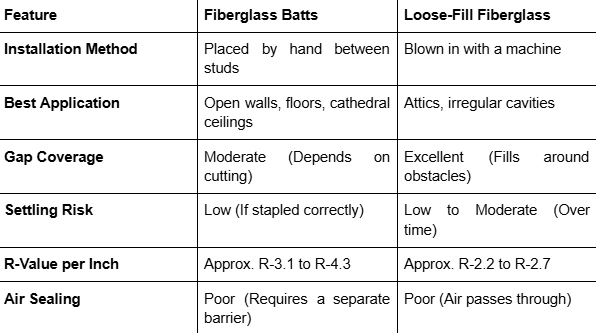
This material comes in two primary forms: pre-cut batts and loose-fill blowing wool, both of which utilize the same principle of trapped air to insulate. Batts are sized to fit between standard wall studs and floor joists, while loose-fill is blown into attics or wall cavities to cover irregular shapes. Both types require careful attention to detail to ensure there are no gaps where heat can bypass the insulation layer.
Managing Seasonal Temperature Swings
The effectiveness of fiberglass becomes most apparent when outdoor temperatures reach extremes, challenging the home's ability to remain stable. In the summer months, the sun beats down on the roof, raising attic temperatures significantly above the ambient air temperature. A thick layer of blown-in fiberglass on the attic floor prevents this intense radiant heat from migrating down into the bedrooms and living areas below.
Winter Heat Retention Strategies
During the winter, the dynamic reverses, and the goal becomes retaining the heat generated by the furnace or heat pump. Heat naturally seeks colder areas, meaning it tries to escape through the ceiling and walls. Fiberglass insulation acts as a blanket, slowing the rate of heat loss so the heating system runs less frequently.
 Bonus Tips
- Mind the Gaps: Even small gaps in insulation can reduce effectiveness, so ensure batts fit snugly against the top and bottom plates.
- Don't Compress: jamming thick insulation into a shallow cavity reduces the air pockets and lowers the R-value.
- Electrical Boxes: Split the batt around electrical boxes rather than stuffing it behind them to maintain proper density.
Acoustic Benefits for Interior Comfort
While thermal regulation is the primary function, fiberglass also contributes to comfort by dampening sound transmission between rooms and from outside sources. The material's porous nature absorbs sound waves, reducing echo and noise levels in the home. This is particularly beneficial in interior walls between bedrooms, bathrooms, and laundry rooms where privacy and quiet are desired.
Comparing Fiberglass Application Types
Homeowners often face a choice between different application methods when planning an insulation upgrade or new construction project. Understanding the differences between batts and loose-fill helps in selecting the right product for the specific area of the home. Batts are generally easier for DIY projects in open walls, while loose-fill offers superior coverage in attics with many obstructions.
Things to Consider Before Making a Decision
Before committing to fiberglass insulation, property owners should evaluate the specific needs of their structure and the local climate conditions. One major limitation of fiberglass is that it does not stop air leakage; it only filters it. This means that if a home has significant air leaks around windows, doors, or attic penetrations, the insulation will not perform to its full potential.
The Importance of Air Sealing
To get the most out of fiberglass, it is necessary to perform air sealing before installing the insulation. This involves using caulk or spray foam to seal cracks and gaps in the building envelope. Without this step, air moving through the fiberglass can carry heat and moisture, bypassing the thermal resistance the material is supposed to provide.

In humid climates, fiberglass requires a vapor retarder to prevent moisture from condensing inside the wall cavity. Paper-faced batts often include this retarder, but loose-fill applications may need a separate polyethylene sheet or smart vapor barrier. Failure to manage moisture can lead to the insulation becoming damp, which ruins its insulating properties and encourages mold growth.
Questions People Ask About Fiberglass Insulation
Does fiberglass insulation lose its R-value over time?
Standard fiberglass insulation maintains its R-value indefinitely as long as it stays dry and undisturbed. However, loose-fill fiberglass in attics may settle slightly over many years, resulting in a slight reduction in thermal resistance.
Is fiberglass insulation resistant to fire?
Glass fibers are naturally non-combustible and will not burn, which adds a layer of fire resistance to the home. However, the Kraft paper facing used on many batts is flammable and must be covered by drywall or another code-approved thermal barrier.
Can I install new fiberglass over old insulation?
Yes, adding fresh fiberglass over existing insulation is a common practice to increase the attic's total R-value. It is important to use unfaced material for the top layer to prevent moisture from being trapped between the two layers of insulation.
How does fiberglass compare to spray foam?
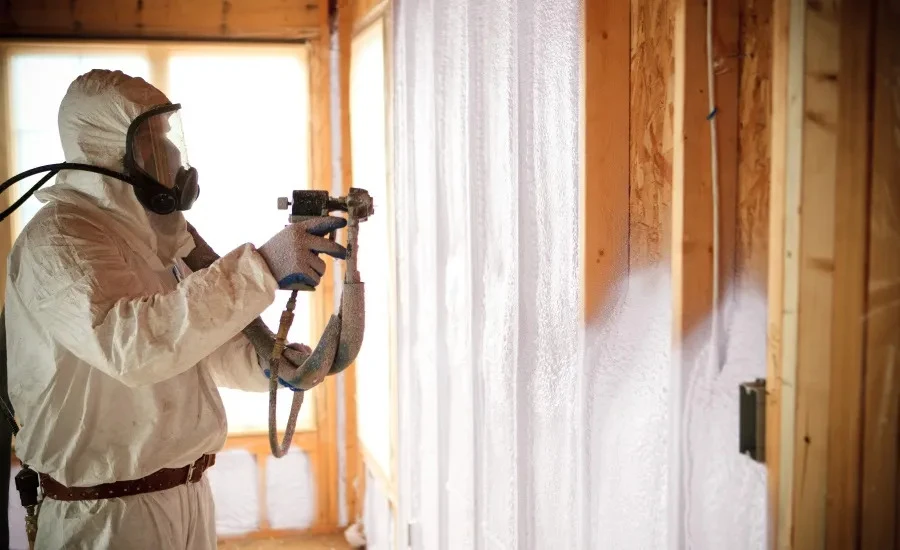
Fiberglass is generally more affordable and easier to install, but has a lower R-value per inch and does not seal air leaks as well as spray foam. Spray foam provides a complete air and moisture barrier, while fiberglass requires additional steps to achieve air tightness.
Is it safe to touch fiberglass insulation?
Fiberglass can cause skin irritation, itching, and respiratory issues if fibers are inhaled or come into contact with the skin. Installers should always wear protective gear, including long sleeves, gloves, goggles, and a respirator, when handling.
Conclusion
Fiberglass insulation remains a reliable and cost-effective solution for maintaining year-round comfort in residential and commercial buildings. Its ability to resist heat transfer helps keep indoor temperatures stable regardless of the weather outside, provided it is installed with care and attention to detail. By understanding its properties and ensuring proper air sealing accompanies the installation, property owners can enjoy a comfortable living environment and reduced energy expenses.
Connecting With Insulation Professionals
Selecting the right insulation strategy requires an understanding of building science and local climate challenges. Prestige Insulation Solutions assists property owners in the Florida Panhandle with expert evaluations to determine the best materials for their specific needs. Their team assesses the entire building envelope to recommend solutions that maximize efficiency and comfort.
Whether a project requires the affordability of fiberglass or the advanced sealing of spray foam, they provide professional guidance and installation services. For more information or to schedule a site visit, interested parties can contact them at (850) 429-4969 or via email at [email protected].
Author: Rene Zamarripa is a spray foam installer and owner of a successful insulation company. He began his career in 2008 with Key Insulation in San Antonio and has 17 years of hands-on experience in residential and commercial insulation, specializing in R-values and safety standards.
Reviewer: Benjamin Lee has over 13 years of experience in the spray foam insulation industry and reviews content to help businesses connect effectively with local clients.