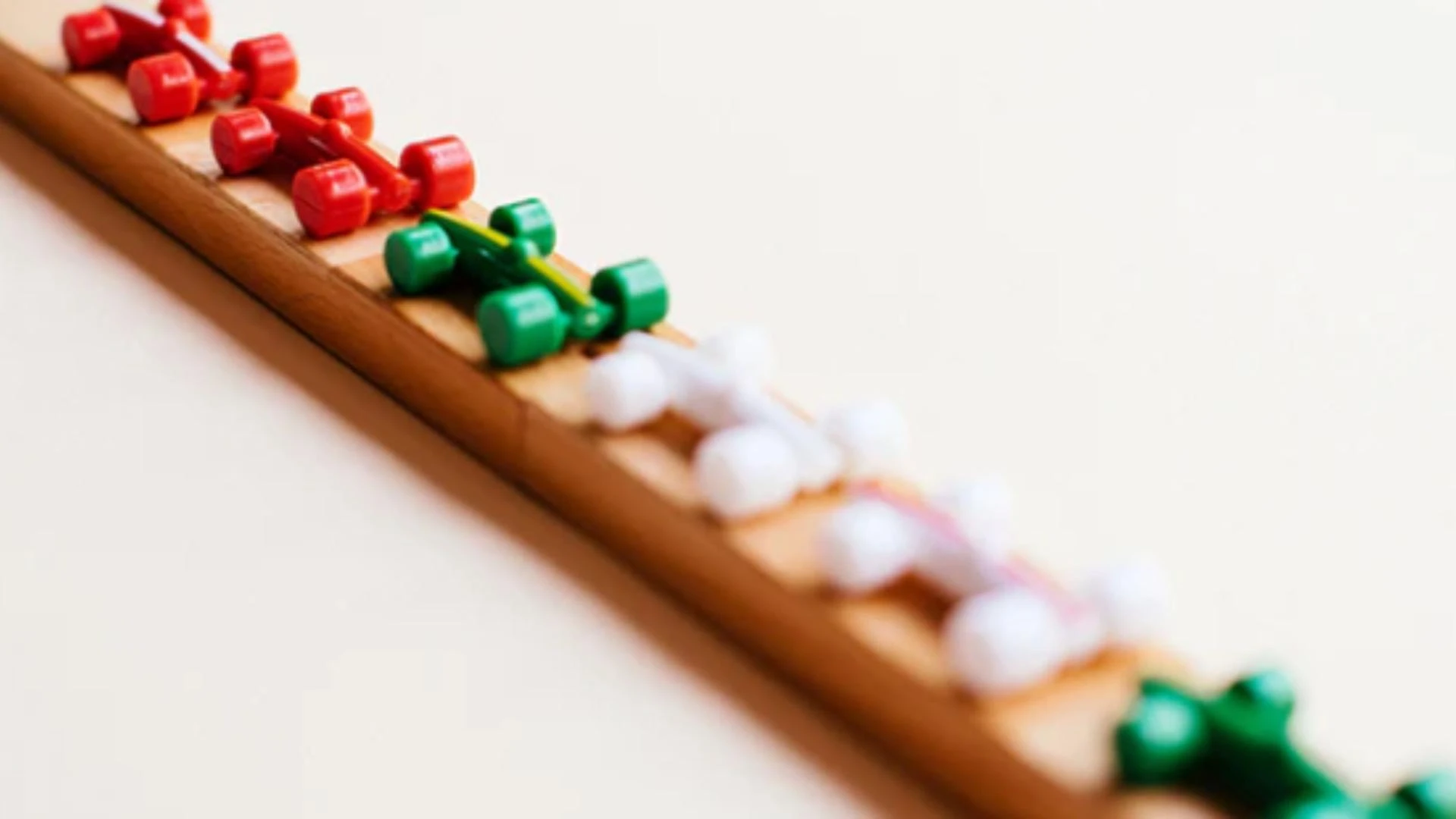
Getting everyone around the dinner table for a competitive session often feels like a feat of engineering. You need something simple enough for a younger sibling to grasp but deep enough to keep a seasoned tactician from getting bored. That sweet spot is exactly where a high-quality Racing Board Game shines. It takes the visceral thrill of a Sunday afternoon Grand Prix and turns it into a series of manageable, high-stakes choices. You aren't just rolling dice and hoping for the best. You are managing a tiny, plastic career that could end in glory or a spectacular spin-out. The magic lies in how these games mask complex math with the pure joy of overtaking a family member at the final corner.
The Hook of Immediate Action
Most family activities suffer from long setup times and thick rulebooks that put people to sleep. A great tabletop racer ignores those hurdles and focuses on the starting lights. The goal is always clear: get to the front and stay there. This clarity allows players of all ages to jump right into the action without feeling lost. You don't need a degree in aerodynamics to know that going fast is good. However, the game subtly introduces the idea that "fast" is a relative term.
As the first few laps unfold, players realize that the track has a rhythm. You see the board not as a static path, but as a series of opportunities and traps. Younger players might focus on the immediate gratification of a big move. Meanwhile, the adults might be eyeing the corners ahead, planning their braking zones. This layers the experience so that everyone plays the same game but at a different mental level. It creates a shared space where a ten-year-old can legitimately outmaneuver a grandparent through sheer guts.
The Social Friction of the Pack
Racing is a contact sport, even on a tabletop. When cars are bunched together, the psychology of the group changes. You start to see alliances form and break within a single lap. If two people work together to catch a runaway leader, the game takes on a cooperative edge before returning to a cutthroat sprint. This social dynamic keeps the energy high at the table. You are constantly talking, groaning at near-misses, and celebrating bold moves.
- Blocking: Sitting in the middle of a narrow lane to force an opponent to slow down or take the long way around.
- Drafting: Tucking in behind a rival to save your own movement cards for a later attack.
- The Squeeze: Using the track geometry to push a competitor into a sub-optimal racing line through a chicane.
These interactions make the game feel alive. You aren't just playing against the board; you are reacting to the humans sitting across from you. It builds a narrative for the evening that people will talk about long after the pieces are put away. Each person develops a "driving style" that others have to account for. This variety ensures that the third race of the night feels just as fresh as the first one.
Balancing the Lead and the Chase
A common problem in many games is the "runaway leader" syndrome, where one person gets ahead and stays there. Top-tier racing titles use clever mechanics to keep the pack close. Slipstreaming is the most famous example of this. If you are behind, you get a small boost by following the car in front. This keeps the tension tight and ensures that no one feels like they are out of the running.
The Lacorsa Game uses its own unique logic to manage this flow. It ensures that track position is a constant battle rather than a settled fact. When the leader has to fight to keep their spot, they feel the pressure of the entire table. The people in the back don't give up because they know one well-timed move can put them back on the podium. This balance is crucial for family play. It keeps the "fun" part of the race active for everyone until the very last hex or space.
The Visual Appeal of the Circuit
We eat with our eyes first, and we play games the same way. A beautiful board with bright colors and iconic car shapes draws people in. It sets the mood before a single card is played. When the components feel high-quality, the stakes feel higher. You aren't just moving a token; you are commanding a vehicle. The art style can evoke a sense of history or a futuristic thrill, helping players get into character.
A clean design also aids the strategy. If the track layout is easy to read, players can plan their moves more effectively. They see the "racing line" naturally. This reduces the amount of time spent asking questions about the rules and increases the time spent plotting the next big move. Good aesthetics serve the gameplay by making the complex world of racing feel accessible and inviting to everyone, regardless of their experience level.
Bottom Line
Creating a bridge between a casual evening and a deep strategic contest requires a very specific design philosophy. The creators of the LACORSA Grand Prix Game dedicated two years to perfecting this balance. Mark Haskins, the lead designer, drew his primary inspiration from the golden age of motorsport art. He looked specifically at the Italian Grand Prix posters from the 40s, 50s, and 60s, admiring the timelessness of Max Huber’s legendary work. This led to a game that uses graphic art rather than photographs, capturing a Swiss design aesthetic that feels both vintage and modern.
The technical foundation of the game follows these same principles. Haskins used the Univers typeface throughout the Sporting Regulations, ensuring the text remains clear and period-correct. The cars are modeled with the proportions of a 1970s Ferrari, giving them a physical presence that suggests weight and power. These "racing chess pieces" are designed to occupy the track in a way that makes passing a genuine tactical test. From the Italian Red to the British Racing Green, the colors represent the historical grid with total accuracy. The Lacorsa Board Game provides a premium tabletop experience where art and strategy live in perfect harmony.