



When we talk about student success, the focus often goes straight to academics, homework, and exams. While these are important, true student growth depends on something much deeper and more balanced. Exercise, sleep, and diet work quietly behind the scenes, shaping how children learn, behave, and grow every single day. Schools that understand this connection make a real difference in a child’s overall development, which is why many parents trust the best schools in Bangalore to support both learning and well-being.
The Strong Link Between Physical Health and Learning
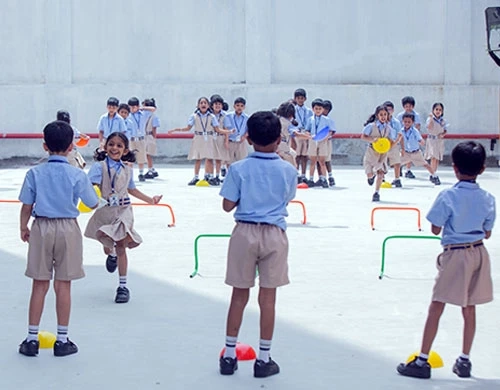
A healthy body supports a healthy mind. When students are physically active, their brains receive better oxygen flow, helping improve concentration and memory. Regular movement also releases energy, making it easier for children to sit calmly and focus during lessons. Many top schools in Bangalore encourage daily physical activity because they understand that students learn better when their bodies are active and strong.
Exercise also builds confidence. When children participate in sports or physical activities, they develop coordination, strength, and self-belief. These qualities carry over into the classroom, helping students approach challenges with a positive attitude. This balance between academics and physical health is a common feature in the top 10 schools in Bangalore.
Why Sleep Is Essential for Growing Minds
Sleep is often underestimated, especially as students grow older and face academic pressure. However, quality sleep plays a critical role in memory formation, emotional balance, and physical growth. During sleep, the brain processes what a child has learned throughout the day and prepares for the next one. Without enough rest, even the most motivated student can struggle to concentrate or retain information.
Children who follow a healthy sleep routine tend to be more alert, calmer, and emotionally stable. Schools that educate parents and students about proper sleep habits help create a supportive learning environment. Many best ICSE schools in Bangalore actively promote balanced routines, understanding that well-rested students perform better academically and socially.
The Role of Diet in Student Development
Nutrition is the fuel that powers both the body and the brain. A balanced diet supports physical growth, strengthens immunity, and improves cognitive performance. When students eat nutritious meals, they experience steady energy levels throughout the day, reducing fatigue and restlessness in class.
Healthy eating habits also influence mood and behaviour. Children who consume well-balanced meals are often more attentive and emotionally stable. Schools that guide students toward mindful eating practices play a vital role in shaping lifelong health habits. This holistic focus is one reason parents choose top CBSE schools in Bangalore that emphasise nutrition alongside academics.
How Exercise, Sleep, and Diet Work Together
While each of these elements is important on its own, their true impact is felt when they work together. Regular exercise helps students sleep better at night, while quality sleep improves energy levels for physical activity the next day. A nutritious diet supports both movement and rest, ensuring the body recovers and grows efficiently.
When one element is missing, the balance is disturbed. For example, poor sleep can lead to low energy and unhealthy food choices, while lack of exercise may affect sleep quality. Schools that encourage balance help students understand this connection early, laying the foundation for healthy routines that support long-term growth.
Supporting Growth from the Early Years
The importance of healthy habits begins in early childhood. Young learners develop rapidly, and their routines play a major role in shaping behaviour and learning patterns. Play-based physical activity, proper rest, and nutritious meals help children feel secure and engaged. This is why many parents look for the best play schools in Bangalore that focus on overall well-being rather than academics alone.
Early exposure to healthy habits makes it easier for children to carry these practices into higher grades. Schools that create structured yet flexible routines help students develop discipline while enjoying learning and play.
Schools as Partners in Student Well-Being
Schools play a powerful role in guiding students toward balanced lifestyles. Through physical education, awareness programmes, and structured daily schedules, they help students understand the importance of caring for their bodies and minds. Teachers who observe student behaviour can also guide parents when children show signs of fatigue or stress.
The most respected schools see health as a shared responsibility between educators and families. This partnership ensures that students receive consistent support at home and school, leading to better academic outcomes and emotional stability.
Long-Term Benefits of a Balanced Lifestyle
Students who maintain healthy routines are more likely to develop resilience, discipline, and self-awareness. These qualities help them handle academic pressure, social situations, and future responsibilities with confidence. Over time, balanced habits reduce stress and support mental well-being, which is just as important as academic success.
By encouraging exercise, proper sleep, and good nutrition, schools prepare students not only for exams but for life. This comprehensive approach is a defining feature of the best schools in Bangalore that prioritise holistic education.
Presidency Group of Schools: Supporting Balanced Student Growth
Presidency Group of Schools strongly believes that student growth is rooted in a healthy balance of exercise, proper rest, and good nutrition. Across its campuses, the institution encourages regular physical activity, structured daily routines, and awareness of healthy lifestyle habits that support both academic performance and emotional well-being. By nurturing the mind and body together, Presidency Group of Schools creates a supportive environment where students develop focus, confidence, and long-term habits essential for overall growth and success.
Conclusion
Student growth is not driven by academics alone. Exercise, sleep, and diet work together to support physical development, emotional balance, and effective learning. When schools recognise and promote this connection, students thrive both inside and outside the classroom. By nurturing healthy routines from an early age, educational institutions help children grow into confident, focused, and well-rounded individuals. This balanced approach to education is what truly sets leading schools apart and creates a strong foundation for lifelong success.