



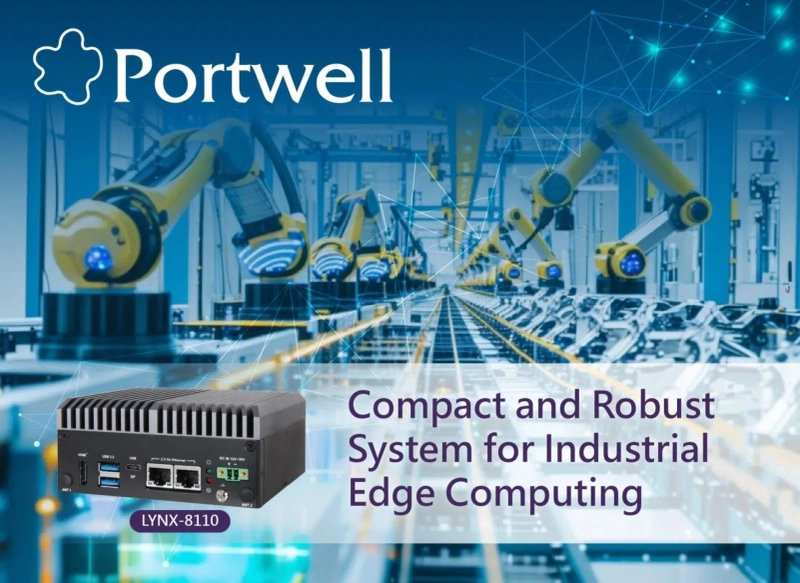
Industrial environments are quickly shifting away from models of centralized computing to decentralized computing on the edges. Since automation Industrial IoT (IIoT) and real-time analytics have become commonplace, companies increasingly depend on edge computing, supported by embedded platforms for processing data near machines, sensors as well as operational systems.
This change allows quicker decision-making, better reliability, and better control over the data. This makes edge computing an essential component for the future of industrial intelligence.
What Is Decentralized Industrial Intelligence?
Decentralized industrial intelligence is the capacity of systems and machines to process data and make decisions locally, without relying entirely on cloud servers that are centrally located as well as data centers.
Instead of transferring raw data into the cloud to process edge platforms embedded in the device:
- Get data from sensors, machines and controllers.
- Locally analyze and process data
- Trigger alerts or actions in real-time
This method reduces latency, enhances the system's resilience and allows operations to continue even when connectivity to the network is not available or even limited.
Why Edge Computing Is Essential for Modern Industrial Systems?
1. Real-Time Processing Where Data Is Generated
In industrial environments, milliseconds matter. Lines of production, power systems and transportation infrastructure generate huge amounts of data that have to be processed in a flash.
Embedded edge computing platforms can enable:
- Instant response to changes to the system
- Rapider fault detection and remedial actions
- Control in real-time without cloud dependence
This is particularly important for mission-critical or safety-critical applications.
2. Reduced Latency and Network Dependency
Cloud processing in the cloud introduces delay and heavily depends on a stable network connection.
Edge computing alleviates these issues by keeping computations local.
Through using data processing at the edges, businesses are able to:
- Reduce the bandwidth consumption
- Costs of cloud infrastructure that are lower
- Maintain operations during network outages
This method of decentralization improves the performance and reliability.
3.Improved Data Security and Privacy
The data of industrial operations often contains sensitive operational data. Data processing locally decreases the requirement for transferring the data over networks, which reduces the risk of security threats.
Embedded edge platform help businesses:
- Maintain tighter control over data
- Meet the requirements of the regulatory authorities
- Reduce vulnerability to threats from the outside
4.Role of Embedded Platforms in Edge Computing
Embedded computing platforms are the physical foundation for advanced computing designs. designed for continuous operation and tough conditions, they fit effortlessly into the industrial systems.
Key Capabilities of Embedded Edge Platforms
- Fanless Industrial Grade Embedded PC designs to fit into space-constrained areas
- Industrial I/O Support, as well as protocols for communication
- Long-lifecycle availability to ensure steady deployments
- Energy efficient operation for remote or distributed systems
This makes embedded systems the ideal choice for distributed intelligence across industrial applications.
Industrial Applications Enabled by Embedded Edge Computing
1. Smart Manufacturing and Automation
In the manufacturing environment embedded edge systems review machine data in real-time to provide:
- Predictive maintenance
- Automated quality control
- Optimization of production
This decreases downtime and increases overall effectiveness of equipment (OEE).
2. Energy and Smart Utilities
Edge computing allows the decentralized control and monitoring of distribution, power generation or renewable energy sources.
Embedded platforms allow:
- SCADA as well as remote monitoring of assets
- Power grid fault detection
- Energy usage optimization
3.Transportation and Intelligent Infrastructure
From traffic management to monitoring fleets Edge Embedded Systems handle data locally, which ensures rapid and reliable operation in areas that are subject to vibration as well as environmental stresses.
4.Healthcare and Medical Systems
Embedded edge platforms allow real-time data processing for diagnostics, medical imaging and monitoring of patient health where speedy response and reliability are crucial.
Future of Decentralized Industrial Intelligence
As machine learning, AI, as well as connected devices continue to develop Decentralized intelligence will become more crucial.
Edge-based embedded platforms will gradually incorporate:
- AI-based inference capabilities
- Innovative analytics on the edges
- Intelligent automation workflows
This will enable industries to evolve towards self-optimizing systems that function efficiently without human intervention.
Conclusion
The embedded and edge computing platforms are revolutionizing the way that industrial intelligence is used. With the ability to decentralize processing of data, these technologies lower latency, increase the reliability of operations, and increase resilience across different industrial environments.Businesses that embrace embedded edge computing today are positioned to create more efficient, smarter and future-ready industrial systems capable to meet the requirements in automation, internet of things as well as real-time decisions.