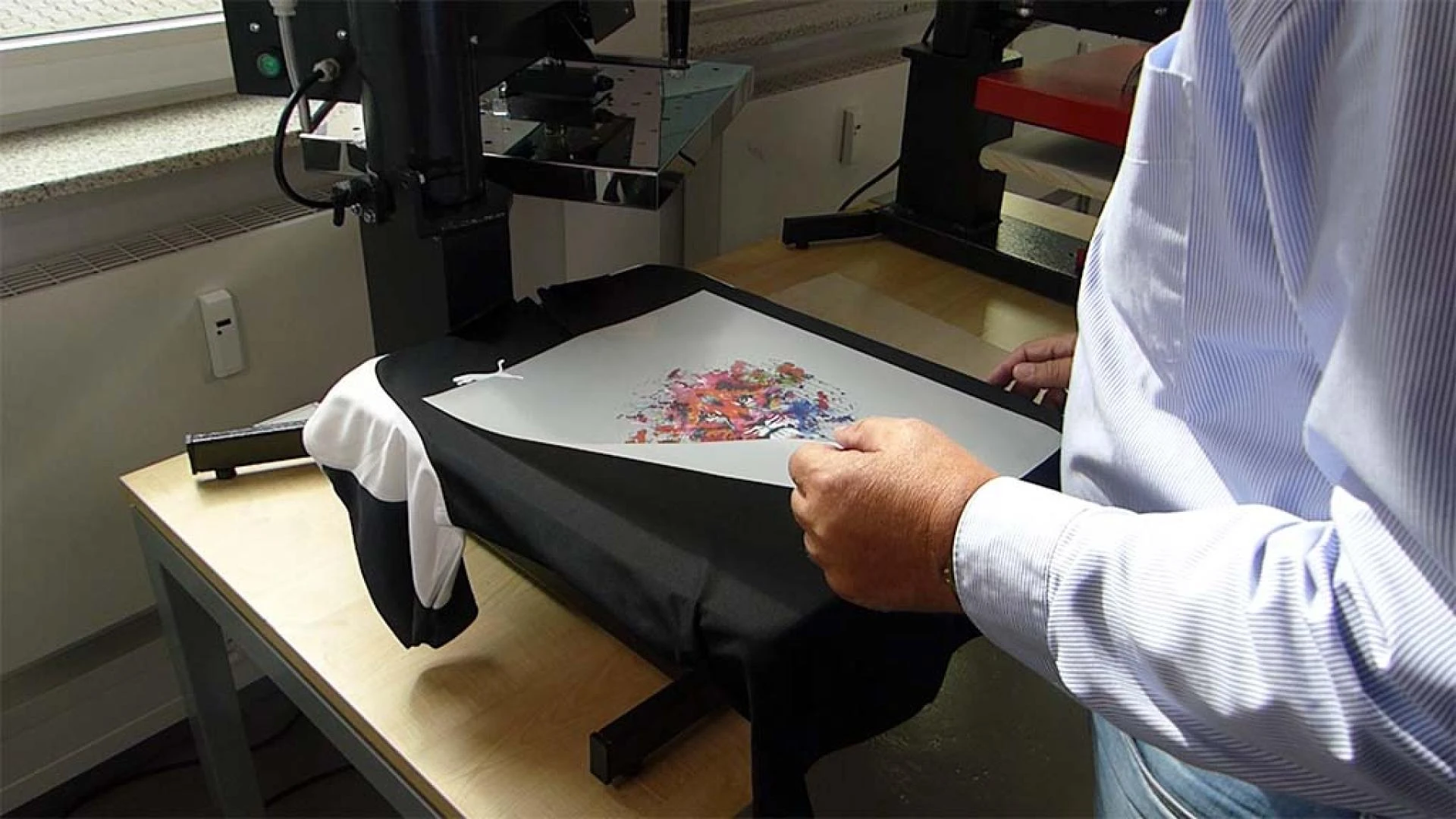
The fashion industry has undergone significant changes over the years, with technological advancements constantly reshaping the way designs are created, printed, and marketed. One of the most groundbreaking technologies to emerge in recent years is Direct-to-Film (DTF) printing. DTF printing is a process that has transformed how apparel manufacturers, designers, and businesses create custom clothing with vibrant, durable designs. As the fashion industry continues to evolve, DTF print stands out for its ability to offer high-quality prints at affordable prices, making it a go-to option for both small businesses and large apparel manufacturers.
This article explores the ways DTF printing is revolutionizing the fashion industry, from the benefits it offers to the challenges it faces, and how it is setting new standards for custom apparel design.
DTF Printing vs. Traditional Printing Methods
When comparing DTF printing to traditional printing methods, such as screen printing and heat transfer printing, it becomes clear why DTF has gained so much attention in the fashion industry.
Screen printing requires the creation of separate screens for each color in a design, which can be time-consuming and costly. This method is better suited for large runs of designs with fewer colors. On the other hand, DTF printing offers a quicker setup time and can easily accommodate multicolored, intricate designs, making it an ideal choice for both small and large production runs.
Heat transfer printing requires pre-made transfer designs and has limitations in terms of the types of materials that can be used. DTF printing, however, works on a wide range of fabrics, including cotton, polyester, blends, and even more challenging materials like nylon and leather.
Cost-Effective Production
One of the most significant advantages of DTF printing is its cost-effectiveness. For fashion designers and small businesses, the setup costs of traditional printing methods can be prohibitively expensive. With DTF printing, the process is less costly, both in terms of equipment and production.
The ability to print on demand allows businesses to avoid the costly overhead of bulk inventory. With DTF printing, custom designs can be printed quickly and efficiently, offering low-cost, high-quality prints with minimal waste. This flexibility is particularly beneficial for small businesses and independent designers who want to produce limited runs of their designs without incurring high costs.
Vibrant, High-Quality Prints
DTF printing produces prints that are vibrant and rich in color, rivaling the quality of traditional methods like screen printing. The technology uses advanced ink systems that produce stunning, full-color designs with excellent detail. Whether you're printing logos, intricate patterns, or photorealistic images, DTF printing can achieve results that are sharp, clear, and highly detailed.
Additionally, DTF prints are known for their longevity. The prints are resistant to fading, cracking, or peeling, even after multiple washes. This durability makes DTF printing an ideal choice for fashion items like t-shirts, hoodies, hats, and other garments that are worn and washed regularly.
Eco-Friendly Printing
As sustainability becomes an increasing concern within the fashion industry, DTF printing offers a more eco-friendly alternative to traditional methods. The process produces minimal waste compared to screen printing, which requires large quantities of chemicals and water to clean the screens after each print.
Moreover, DTF printing uses water-based inks that are less harmful to the environment compared to the toxic chemicals used in some traditional printing methods. This reduction in chemical use and waste contributes to a more sustainable approach to garment production, which is crucial as the fashion industry shifts toward more eco-conscious practices.
Customization and Flexibility
DTF printing offers unparalleled customization and flexibility, allowing designers to print on a variety of fabrics and garment types. Whether you're creating custom apparel for a fashion line or making one-of-a-kind pieces for customers, DTF printing makes it easy to bring your design ideas to life.
The process allows for highly detailed and intricate designs that can be easily adapted for different garment types. From t-shirts and hoodies to jackets and accessories, DTF printing ensures that designers can offer diverse and personalized products. Additionally, the ability to print on both light and dark fabrics without the need for special inks or treatments provides even more creative freedom.
Speed and Efficiency
In the fast-paced fashion industry, speed is critical. DTF printing helps brands and manufacturers meet tight deadlines without compromising on quality. The printing process is fast, with the setup time for DTF being much quicker than that of traditional methods like screen printing. The simplicity of the process also allows for quicker turnaround times, which is particularly important for fashion brands that need to produce and distribute new collections rapidly.
For businesses that operate on-demand or have smaller production runs, DTF printing offers an efficient way to fulfill orders quickly, reducing the wait time for customers and ensuring that designers can keep up with trends.
Improved Texture and Feel
In addition to its visual appeal, DTF printing provides a soft, flexible finish on garments. The prints created through DTF are not heavy or rigid, ensuring that the fabric retains its natural feel and comfort. This is an essential factor for fashion designers, as consumers expect their clothing to look good while feeling comfortable to wear.
The prints adhere directly to the fabric, creating a seamless bond that doesn't interfere with the garment's softness. This is in contrast to other printing methods, like vinyl transfers, which can sometimes result in designs that feel stiff or uncomfortable on the skin.
Challenges and Limitations of DTF Printing
While DTF printing offers many benefits, it is not without its challenges. One of the primary concerns for businesses looking to adopt DTF printing is the initial investment in equipment. While the cost of DTF printers has come down in recent years, it can still be a significant upfront expense for smaller businesses.
Additionally, the quality of the print can be influenced by factors such as the type of ink, the fabric used, and the heat press settings. Achieving consistent results may require some trial and error, particularly for those new to the process.
Another challenge is that DTF printing requires a certain level of expertise in managing the printing and transfer process. Proper handling of the transfer film and adhesive powder is crucial to ensuring that the prints adhere well and last over time.
Conclusion
DTF printing is revolutionizing the fashion industry by offering a cost-effective, customizable, and eco-friendly alternative to traditional printing methods. Its ability to produce vibrant, high-quality prints with minimal waste has made it an attractive option for fashion brands, designers, and businesses of all sizes. As the demand for custom and personalized apparel continues to grow, DTF printing is poised to play a significant role in the future of fashion, setting new standards for creativity, efficiency, and sustainability.
For fashion professionals looking to stay ahead of the curve, DTF printing presents an exciting opportunity to embrace new technology while meeting the ever-evolving demands of the modern consumer.