


How Does the Cost of a Concrete House Compare to a Brick House?
Introduction: The Brick vs. Concrete Dilemma
When erecting a home, the accoutrements you choose shape not just the structure but your finances for decades. Among the most batted choices slipup houses and concrete houses. The age-old question persists which is further cost-effective in the long run?
Understanding Construction Accoutrements
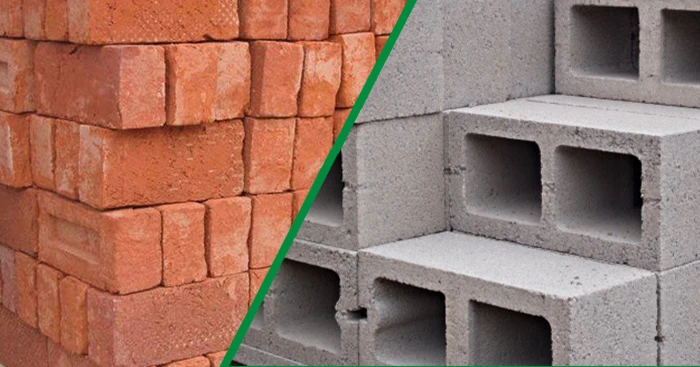
Brick, ignited from complexion and shale, offers dateless continuity. Concrete, a mix of cement, summations, and water, provides contemporary strength. Each brings unique cost counteraccusations , strengths, and challenges to the table.
Historical Use of Brick and Concrete
For centuries, slipup has been a symbol of tradition — seen in ancient castles and social homes. Concrete surged during the artificial revolution, valued for its inflexibility and briskly operation. Both have stood the test of time but in different surrounds.
original Cost Breakdown
A slipup house generally costs further outspoken due to advanced labor and material costs. Bricks are heavy, labor- ferocious, and slower to lay. Concrete houses, especially those using poured or precast styles, are frequently briskly and more provident originally.
Long-Term Cost Implications
The catch? Long- term costs. Concrete homes frequently bear lower conservation, meaning lower charges in the long haul. Brick houses, though originally dear, may bear tuckpointing and sealing over decades.
House construction step by step process Overview
·structure a home follows a predictable path
·point medication
·Foundation laying
·Framing
·Wall construction( slipup or concrete)
·Roofing
·Electrical and plumbing
Finishing
Understanding the house construction step by step process helps highlight where cost variances arise.
Material Cost Comparison
On average
·Bricks ₹ 6 – ₹ 10 per unit
·Concrete( per boxy bottom) ₹ 5 – ₹ 8
For a 1000 sq. ft. house, the volume of accoutrements — and therefore the cost — swings extensively depending on the choice.
·Labour Costs A Deeper Dive
Bricklaying is art — and priced consequently. Masons charge further due to the professed nature of the work. Concrete, poured or prefabricated, requires smaller hours and therefore lower force, rephrasing to fiscal savings.
·Construction Time and Its Impact on Budget
Time is plutocrat — literally. Faster completion means lower charges. Concrete structures frequently finish briskly, slashing costs on rented outfit and temporary labor.
·Which cement is stylish for house construction OPC or PPC?
Ordinary Portland Cement( OPC) offers briskly setting time, ideal for speedy systems. Portland Pozzolana Cement( PPC) is more affordable and eco-friendly, with long- term continuity.
Which cement is best for house construction OPC or PPC? The answer hinges on your priorities—speed vs. sustainability.
·Guide to Choosing the Right Sand for Both Structures
Fine summations are pivotal. River beach, M- beach, and hole beach each serve distinct places. A guide to choosing the right sand involves assessing grain size, purity, and moisture content—critical for both brick mortar and concrete mix quality.
·Structural Strength and lifetime
Concrete structures frequently boast superior tensile strength, especially when corroborated with sword. Brick walls are solid and cargo- bearing but may crack under seismic stress unless corroborated. For life, concrete has the edge.
·conservation Costs Over the Years
Brick needs further love. Regular sealing, cleaning, and occasional repointing keep it pristine. Concrete requires lower attention, making it easier on the fund after the original figure.
·Thermal sequestration and Energy Efficiency
Brick naturally insulates, keeping homes cooler in summer and warmer in downtime. Concrete, while strong, can come a heat Gomorrah — unless treated or isolated. This affects your electricity bill, especially in extreme climates.
·Environmental Considerations
Concrete emits further CO ₂ during product, though inventions like cover ash blending reduce the footmark. Brick manufacturing too can harm clod. Choosing PPC over OPC, or using recycled accoutrements , can reduce your environmental cargo.
·Regional Vacuity and Pricing Influence
In North India, bricks are abundant and cheaper. In littoral or earthquake-prone zones, concrete dominates due to strength conditions. Regional dynamics heavily sway cost.
·Aesthetic Appeal and Design Inflexibility
Brick exudes classic charm. Concrete allows for further ultramodern architectural expressions — twisted walls, larger spans, and minimalist styles. Your aesthetic preference may impact material choice( and your budget).
·Insurance and Backing Impacts
Some insurers charge lower for concrete houses, considering them more fire- and disaster- resistant. Loan terms may also favor concrete due to its continuity and lower deprecation.
·Resale Value and request Preferences
In civic areas, buyers prefer concrete for ultramodern aesthetics and strength. pastoral buyers still spare toward slipup for its traditional appeal. Resale value can reflect these preferences, impacting ROI.
Final Verdict Which is further Cost-Effective?
There’s no bone - size- fits- all answer.
·still, slipup might win, If you are erecting in a region with cheap bricks and professed masons.
·For faster shapes, structural strength, and lower conservation, concrete takes the lead.
Factor in your budget, position, climate, and long- term pretensions. Either way, thoughtful planning — especially regarding which cement is stylish for house construction OPC or PPC, and following a scrupulous house construction step by step process — will save you far more than cutting corners ever could.