



How Does a Self-Cleaning Oven Work? A Complete Guide
Introduction: Unraveling the Magic of Self-Cleaning Ovens
Self-cleaning ovens are a modern marvel in kitchen appliance technology, transforming the tedious task of oven cleaning into a hands-off process. Whether you own a Whirlpool self-cleaning oven, a Bosch auto-clean oven, or an LG thermal cleaning model, understanding the self-cleaning oven mechanism can help you appreciate its efficiency and maintain your appliance effectively. This guide explains the pyrolytic cleaning process, breaks down key components, and offers practical insights into how these ovens keep your kitchen sparkling. Let’s dive into the oven cleaning system and explore how it works in your home cooking environment.
Find Top-rated cleaners in Northern Beaches, Sydney
What Is a Self-Cleaning Oven?
A self-cleaning oven uses a pyrolytic cleaning process, where high temperatures (typically 800–900°F) incinerate food residues, grease, and spills into a fine ash that you can easily wipe away. This automated oven maintenance feature, found in brands like GE, Samsung, and KitchenAid, eliminates the need for harsh chemical cleaners, making it a cornerstone of modern kitchen setups. The self-clean cycle functionality relies on specialized components like the pyrolytic heating element and oven door lock to ensure safety and efficiency.
How Does the Self-Cleaning Oven Mechanism Work?
Think of a self-cleaning oven like a self-cleaning fireplace: it uses intense heat to burn away messes, leaving only ash behind. Here’s a step-by-step look at the self-cleaning oven operation:
- Initiating the Cycle
- When you press the self-clean cycle button on the oven control panel, the oven activates its high-temperature oven cleaning mode.
- The oven door lock engages automatically, preventing accidental opening during the high-heat process, which could pose a safety risk.
- High-Temperature Cleaning
- The pyrolytic heating element ramps up the oven cavity to extreme temperatures (800–900°F), far hotter than standard cooking settings.
- This thermal cleaning process breaks down grease, food splatters, and residues into carbon-based ash through a process called pyrolysis (from “pyro,” meaning fire, and “lysis,” meaning breakdown).
- Temperature Regulation
- The temperature sensor monitors the oven’s internal heat to maintain consistent, safe temperatures.
- A cooling fan circulates air to prevent overheating of external surfaces, keeping the kitchen appliance ecosystem safe.
- Cool-Down Phase
- After 2–4 hours (depending on the model, e.g., Maytag or Electrolux), the cycle ends, and the oven cools down for 1–2 hours.
- The oven door lock remains engaged until the oven cavity reaches a safe temperature, signaled by the digital display.
- Ash Removal
- Once cooled, the oven unlocks, and you can wipe away the powdery ash from the oven cavity with a damp cloth, leaving it spotless.
Brand-Specific Self-Cleaning Features
Different brands implement the pyrolytic cleaning system with unique tweaks:
- GE Pyrolytic Oven: Offers adjustable cycle times (2–5 hours) based on soil level, ideal for heavy-duty cleaning.
- Whirlpool Self-Cleaning Oven: Features a “precision clean” option for shorter cycles on lighter messes.
- Bosch Auto-Clean Oven: Uses a specialized temperature sensor for precise heat control, reducing energy use.
- Samsung Self-Clean Cycle: Includes a steam-clean option for lighter cleaning alongside the pyrolytic mode.
- LG Thermal Cleaning Oven: Emphasizes a reinforced door gasket to maintain a tight seal during high-heat cycles.
Safety Considerations for Self-Cleaning Ovens
The high-temperature oven cleaning process is safe when used correctly, but precautions are essential:
- Ventilate the Kitchen: Open windows or use the kitchen’s cooling fan to disperse fumes from burning grease.
- Avoid Unattended Operation: Never run the cycle overnight due to potential fire risks.
- Check the Door Gasket: A worn gasket can cause heat leaks, affecting the self-clean cycle functionality.
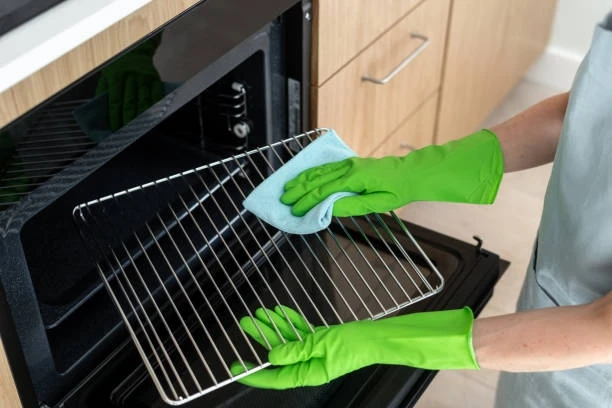
- Remove Oven Racks: Most brands, like Frigidaire, recommend removing racks to prevent discoloration.
- Keep Pets and Kids Away: The oven’s exterior can get hot, so ensure a safe home cooking environment.
Environmental and Energy Considerations
The self-cleaning oven technology uses significant energy due to its high-heat process. To minimize impact:
- Run During Off-Peak Hours: Operate the cycle at night to reduce strain on the electrical grid.
- Clean Minor Spills First: Wipe down small messes to shorten cycle times, saving energy.
- Maintain Regularly: A well-maintained oven, with a clean door gasket and functional temperature sensor, runs more efficiently.
Troubleshooting Common Self-Cleaning Oven Issues
Issue
Possible Cause
Solution
Excessive smoke
Heavy grease buildup
Wipe down large spills before starting the cycle
Cycle won’t start
Faulty oven door lock
Check lock alignment; consult the manual for error codes
Strong odor
Normal for first use
Ventilate well; use a shorter cycle for light cleaning
Oven doesn’t cool
Cooling fan malfunction
Ensure the fan is unobstructed; contact a technician
Conclusion: Embrace Effortless Oven Cleaning
Understanding how a self-cleaning oven works empowers you to maintain your kitchen appliance ecosystem with ease. The pyrolytic cleaning process, driven by components like the pyrolytic heating element and temperature sensor, delivers a spotless oven cavity without scrubbing. Whether you’re using a GE, Whirlpool, or Bosch auto-clean oven, this guide equips you with the knowledge to leverage your oven’s self-cleaning oven technology effectively. Try it today and enjoy a sparkling culinary appliance suite in your modern kitchen setup!
FAQs About Self-Cleaning Ovens
Q: How hot does a self-cleaning oven get?
A: It reaches 800–900°F during the pyrolytic cleaning process, much hotter than standard cooking temperatures.
Q: Can I leave oven racks inside during the cycle?
A: No, remove oven racks to avoid damage, as recommended by brands like KitchenAid.
Q: How long does the self-clean cycle take?
A: Typically 2–4 hours, plus 1–2 hours for cooling, depending on the model and soil level.
Q: Is the self-cleaning process safe?
A: Yes, with proper ventilation and precautions, the oven cleaning system is designed for safe operation.