



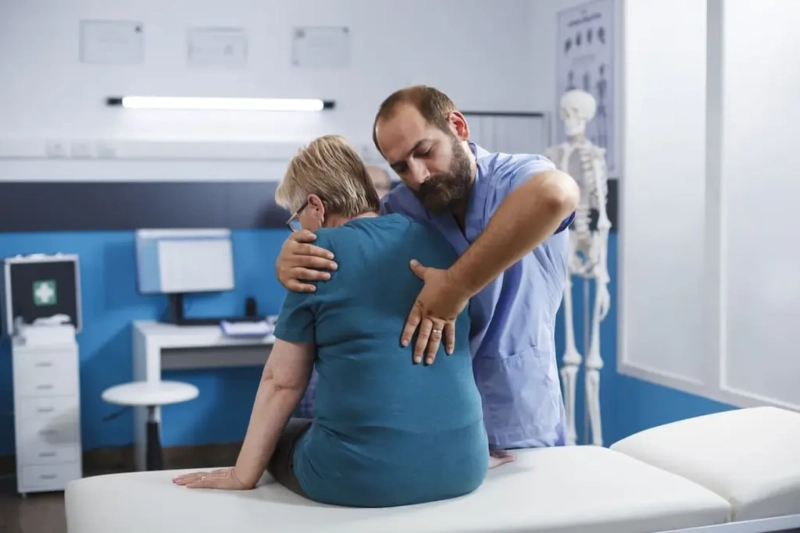
Physiotherapy at home has become an increasingly popular choice for individuals seeking convenient and effective treatment options for improving their physical health. This personalized approach allows patients to receive expert care within the comfort of their own environment, making it easier to adhere to prescribed routines and exercises. One of the primary benefits of this service is its ability to enhance flexibility, which is essential for maintaining mobility, preventing injuries, and reducing pain. Physiotherapy At Home Abu Dhabi specifically offers tailored programs designed to address individual needs, helping patients achieve their flexibility goals efficiently and comfortably.
The Role of Physiotherapy in Enhancing Flexibility
Physiotherapy plays a crucial role in improving flexibility by focusing on stretching, strengthening, and mobilization techniques. It involves a comprehensive assessment of a patient’s current physical condition, identifying areas of stiffness, restricted movement, or muscle imbalance. Based on this assessment, customized treatment plans incorporate specific exercises aimed at elongating muscles, increasing joint range of motion, and reducing muscle tightness. This targeted approach ensures that each individual’s unique needs are met, optimizing their ability to move freely and comfortably.
Personalized Treatment Plans for Flexibility
One of the key advantages of physiotherapy at home is the personalized nature of treatment plans. A physiotherapist works closely with the patient to develop a routine that fits their lifestyle, schedule, and specific flexibility objectives. These plans often include stretching exercises, strengthening routines, and manual therapy techniques that are tailored to address particular problem areas. Personalized programs enhance the effectiveness of therapy, empowering individuals to take charge of their mobility and flexibility improvement process.
The Importance of Consistency and Routine
Consistency is vital when it comes to improving flexibility through physiotherapy. Regular practice of prescribed exercises helps in gradually increasing muscle length, improving joint mobility, and reducing stiffness. Physiotherapists at home reinforce the importance of adherence to routines and provide ongoing motivation and guidance. This consistent approach ensures steady progress and minimizes setbacks, making the journey toward better flexibility both achievable and sustainable.
How Physiotherapy at Home Promotes Flexibility Through Specific Techniques
Physiotherapy incorporates a variety of techniques specifically designed to improve flexibility. These methods target different aspects of physical movement and are selected based on individual needs.
Stretching Exercises
Stretching is fundamental in enhancing flexibility by elongating muscles and tendons. Physiotherapists prescribe dynamic and static stretching routines that are safe and effective. Dynamic stretches prepare the muscles for activity, while static stretches are used to increase muscle length after exercise, ultimately reducing stiffness and improving range of motion.
Manual Therapy
Manual therapy involves hands-on techniques such as massage, mobilization, and manipulation. These methods help release muscle tension, improve blood circulation, and enhance joint mobility. When performed by skilled physiotherapists at home, manual therapy can significantly contribute to increased flexibility by addressing areas of tightness or restricted movement.
Strengthening Exercises
While stretching is essential, strengthening exercises complement flexibility routines by stabilizing muscles around joints. Strong muscles support correct posture and movement patterns, which can prevent future stiffness and injuries. A balanced approach combining stretching and strengthening yields optimal results in flexibility enhancement.
Functional Movement Training
Functional movement exercises mimic everyday activities, promoting natural movement patterns. These exercises improve overall body coordination and flexibility, making daily movements easier and reducing the risk of strains or injuries. Physiotherapy at home often includes functional training tailored to the lifestyle and needs of each individual.
Benefits of Physiotherapy at Home for Flexibility
Receiving physiotherapy at home offers numerous advantages that support the journey toward better flexibility.
Convenience and Comfort
The comfort of being treated at home removes barriers such as travel time and clinic waiting periods. Patients can comfortably perform exercises in their familiar environment, which often leads to increased motivation and consistency. The personalized setup allows physiotherapists to observe and correct movement techniques directly, ensuring exercises are performed safely and effectively.
Tailored and Flexible Scheduling
Home-based physiotherapy provides flexible scheduling options that align with the patient’s daily routine. This flexibility encourages regular practice and reduces the likelihood of missed sessions, which is crucial for steady progress in flexibility.
Continuous Monitoring and Feedback
Physiotherapists can monitor patients closely during home visits, providing immediate feedback and adjustments to exercise routines. This real-time guidance helps in refining techniques, preventing injuries, and enhancing overall effectiveness.
Increased Adherence to Therapy
The convenience and personalized attention associated with physiotherapy at home foster higher adherence rates. Patients are more likely to stick to prescribed routines when they are easy to incorporate into daily life, leading to faster and more sustainable improvements in flexibility.
Tips for Maximizing Flexibility Gains at Home
To optimize the benefits of physiotherapy at home, individuals should incorporate certain practices into their routines.
Maintain a Consistent Routine
Sticking to a regular schedule ensures continuous progress. Consistency helps in gradually increasing muscle length and joint mobility, making flexibility improvements more permanent.
Follow Professional Guidance
Adhering to the physiotherapist’s instructions and exercises is crucial. Proper technique reduces the risk of injury and maximizes benefits.
Incorporate Warm-Up and Cool-Down
Starting sessions with warm-up exercises prepares muscles for stretching and reduces injury risk. Cooling down afterward helps in relaxing muscles and consolidating gains in flexibility.
Stay Hydrated and Nourished
Proper hydration and nutrition support muscle health and recovery, enhancing the effectiveness of physiotherapy routines.
The Long-Term Impact of Physiotherapy on Flexibility
Regular physiotherapy at home not only improves flexibility in the short term but also promotes long-term mobility and overall physical health. Enhanced flexibility can lead to better posture, reduced risk of injury, and increased ability to perform daily activities with ease. Over time, patients develop a greater awareness of their bodies, enabling them to maintain their flexibility and strength independently.
Conclusion
Physiotherapy at home provides an effective, personalized, and convenient way to improve flexibility. Through tailored exercises, manual therapy, and consistent routines, individuals can achieve notable improvements in their range of motion, muscle elasticity, and joint mobility. This approach empowers patients to take control of their physical health and enjoy a more active, pain-free lifestyle with enhanced flexibility.
FAQs
Q1: How often should I perform physiotherapy exercises at home to see improvements in flexibility?
Consistency is key; performing prescribed exercises regularly—typically several times a week—will yield the best results. Your physiotherapist will recommend an optimal schedule tailored to your needs.
Q2: Can physiotherapy at home help with stiffness caused by aging?
Yes, physiotherapy can address age-related stiffness by promoting muscle elongation, joint mobility, and circulation, helping maintain or improve flexibility as you age.
Q3: Are there specific exercises for improving flexibility in certain body parts?
Absolutely. Physiotherapists prescribe targeted stretches and movements for specific areas such as the back, shoulders, hips, or hamstrings to improve flexibility where needed.
Q4: Is it necessary to have special equipment for physiotherapy at home?
Most exercises can be performed with minimal or no equipment, but your physiotherapist may recommend tools like resistance bands, foam rollers, or mats to enhance your routine.