
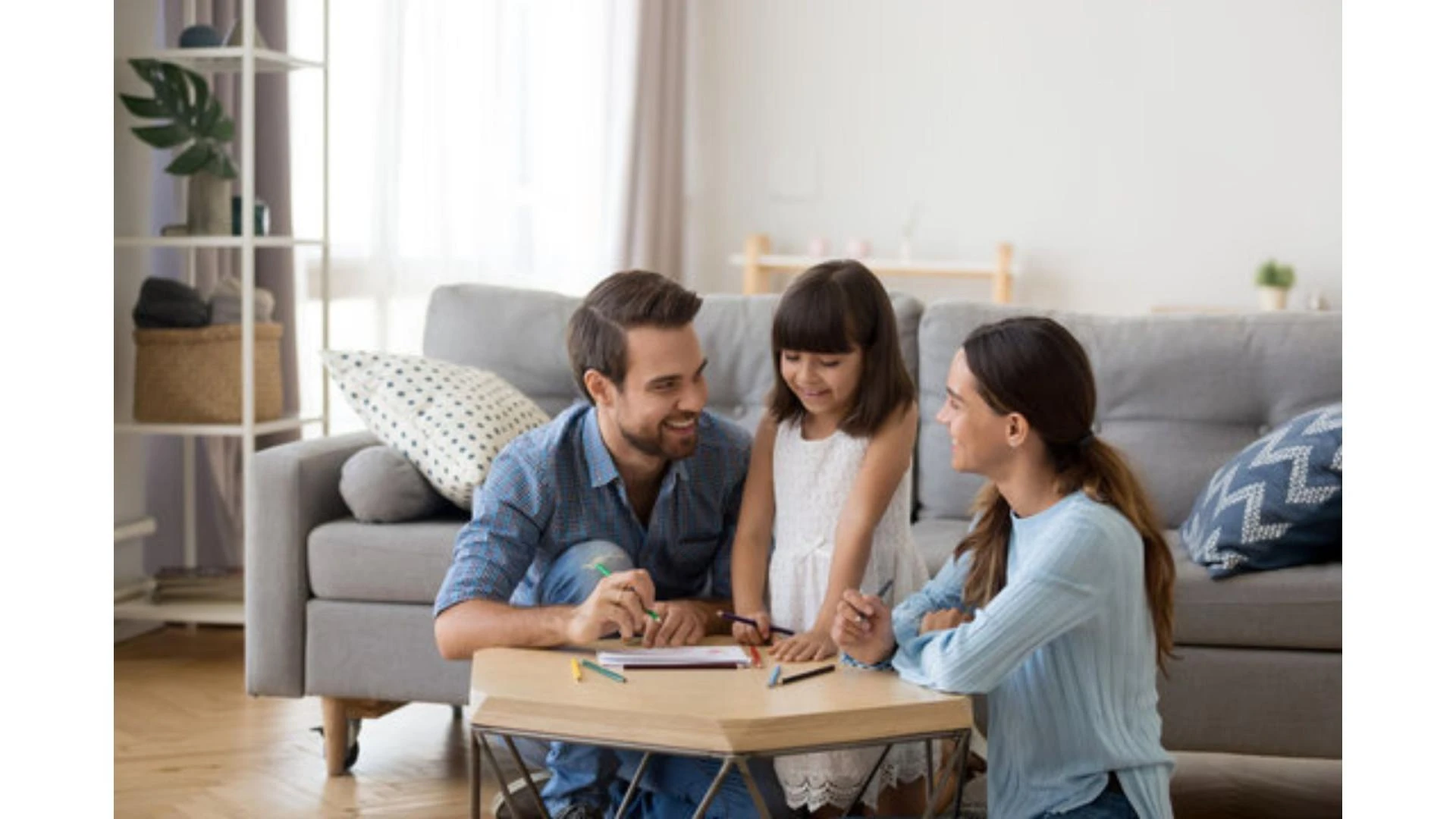
Kids need a safe and steady world to grow. But life can get tricky when parents no longer live together. Even then, children still need love and support from both sides. This is where peaceful co-parenting for a child's well-being becomes a real game changer. When parents set aside fights and choose teamwork, kids feel calmer and more confident. They grow with less stress and more joy. And because they feel supported, they imagine a brighter future for themselves.
Why Teamwork Helps Kids Big Time?
Kids notice everything. They watch how parents talk to each other. They sense tension even when no one says a word. So, when parents act like a team, children feel safe.
Teamwork means sharing decisions and keeping things steady for the kids. It also helps kids trust both parents. They know each parent cares about them. This cuts down their fear and confusion. And it teaches them that even when people have differences, they can still work together.
A Calm Home Equals a Calm Kid
Kids soak up the mood around them like sponges. If parents fight often or yell, the kids feel stressed. They may start worrying about things they cannot control.
But a peaceful home feels different. It feels warm. It feels safe. When parents keep things calm, kids relax. They sleep better. They behave better. They worry less. A calm home becomes a place where kids can grow, learn, and just be themselves.
Even small steps help. A gentle tone. A patient attitude. A simple smile. These things matter more than people think.
Talking Without Drama
Talking with a co-parent is not always fun. Sometimes emotions take over. But good communication makes life easier.
Clear and simple messages help avoid arguments. Quick texts about school schedules or pick-up times keep everyone on track. Respectful conversations help solve problems faster.
When parents talk kindly, kids notice. They feel less stressed because they see adults handling things in a mature way. Kids also learn how to solve problems without shouting or blaming.
Routines Keep Life from Going Off the Rails
Kids love routines. Even when they pretend they don’t, routines give them comfort. Knowing what comes next helps them feel safe.
Regular bedtimes, school routines, and meal habits help kids do better every day. When both parents follow similar routines, everything feels smoother. Kids switch between homes with less stress.
Routines teach kids responsibility too. They learn how to take care of their stuff, finish homework on time, and handle daily tasks without chaos.
Respecting Each Other Even When You Disagree
Every parent disagrees sometimes. It is normal. But respecting each other in front of the kids is a must.
When parents show respect, children feel more secure. They see that arguments don’t have to turn into huge fights. They also feel supported because both parents back each other up.
Even small positive actions help. Speaking kindly. Showing appreciation. Following agreed rules. These things show children that both parents care.
Why Do Boundaries Make Things Easier?
Boundaries are not walls. They are simple rules that keep co-parenting smooth. Boundaries help parents know what to expect and what behavior is okay.
For example:
- Stick to the agreed schedule.
- Avoid talking about adult problems in front of kids.
- Respect each other’s personal time and space.
- Keep conversations child-focused.
These small rules help keep stress low. They protect kids from adult drama. And they allow both parents to enjoy their time with the children.
Let Kids Enjoy Their Childhood
Kids should not have to worry about adult issues. They should not feel like they need to fix problems between parents. Their job is to play, learn, and grow.
Parents should remind kids that none of the grown-up decisions are their fault. Kids must feel free to be kids. With peaceful co-parenting, they have space to laugh, explore, and dream.
When kids feel supported by both parents, they build stronger self-esteem. They feel loved no matter what.
Being Flexible Goes a Long Way
Life is unpredictable. Kids suddenly get sick. School plans change. Sports events pop up. Being flexible helps keep things smooth.
When parents stay open and ready to adjust, kids benefit. They feel like both parents are working together for their good. Flexibility also teaches kids important life skills. They learn how to stay calm even when plans change.
Flexibility doesn’t mean giving in all the time. It simply means being willing to work things out in a fair way.
Encouraging Kids to Share Their Feelings
Kids sometimes hide their feelings to avoid hurting one parent or the other. They may feel confused or scared about the changes in their family.
Parents can help by creating a safe zone where kids can talk about anything. Listening without judging is key. Kids should be allowed to cry, laugh, ask questions, or share worries.
When kids feel understood, they feel lighter. It also helps them grow emotionally strong. They learn that their feelings matter and that both parents are there to support them.
Teaching Kids by Setting a Good Example
Kids learn from what they see. They copy adult behaviors. So, when parents show kindness, patience, and respect, kids catch those traits.
Peaceful co-parenting teaches children how to:
- Solve problems calmly.
- Speak respectfully.
- Understand others’ feelings.
- Build strong relationships.
- Handle stress in a healthy way.
These are life skills they will use as adults. They will also carry these lessons into their own friendships, school life, and future relationships.
Conclusion
Co-parenting is not always easy. But when parents choose respect and patience over anger, kids gain so much. They enjoy steady routines, loving support, and a stress-free childhood. They feel safe knowing both parents care about them. As they grow, they take these lessons with them. And over time, peaceful co-parenting daily routines help shape a happier and brighter future for every child.