



“Arriving is only the first step.”
Living starts the moment essential services are set up.
For overseas students, the first few days in Australia often feel busy and compressed. Banking. Mobile connections. Transport cards. Healthcare access. Each task looks simple on its own. Together, they can feel overwhelming. Small delays create stress. Missed steps slow everything else down.
Meanwhile, Australia’s systems are structured but unfamiliar. Knowing the correct order makes a real difference.
What Is the First Service Students Should Set Up?
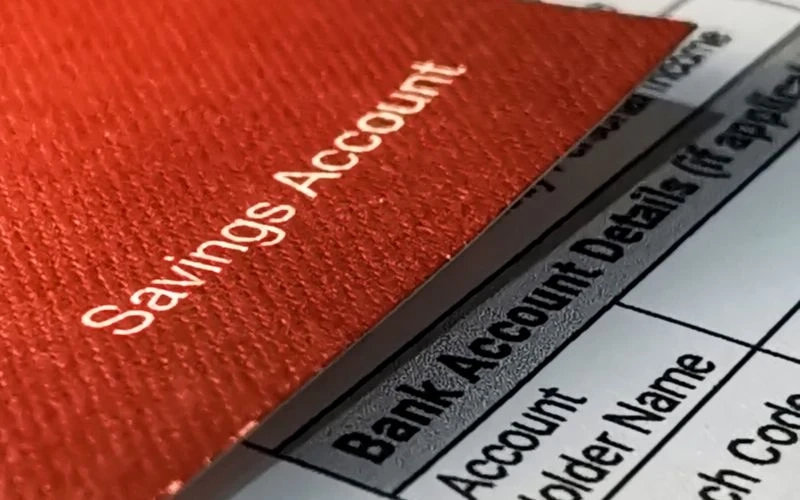
Opening a Bank Account in Australia
Banking is usually the top priority. Most daily services depend on it.
Australian banks allow international students to open accounts soon after arrival, often with minimal paperwork. Timing matters. Some banks offer easier processes within the first few weeks of entry.
Key steps usually include:
- Choosing a student-friendly bank
- Providing passport and visa details
- Supplying an Australian address (temporary is accepted)
- Activating the account in person or online
This makes sense because rent payments, wages, and everyday spending all depend on local banking access. In central locations, top education consultants in Melbourne CBD often guide students on choosing suitable banking options based on study duration and living arrangements.
How Do Students Set Up Mobile and Internet Services?
SIM Cards and Connectivity
Staying connected is essential. Classes, part-time work, and accommodation communication rely on mobile access.
Common setup steps include:
- Purchasing a prepaid or student plan SIM
- Registering identification details
- Activating data and local calling features
At the same time, shared housing may require internet setup. Understanding contract lengths helps avoid unnecessary costs.
An easy way to reduce issues is selecting flexible plans that match visa duration.
What About Transport and Daily Travel?
Public Transport Access
Most Australian cities use electronic travel cards for buses, trains, and trams. These cards offer student concessions when linked correctly.
- Typical actions include:
- Purchasing a transport card
- Registering for student discounts
- Learning peak and off-peak travel rules
Interestingly, incorrect registration often leads to higher fares. Early setup saves money over time.
How Is Healthcare Accessed?
Health Insurance and Medical Services
Health coverage is mandatory for international students. Understanding how to use it matters as much as having it.
Students commonly need clarity on:
- Locating nearby clinics
- Booking general practitioner appointments
- Making insurance claims
- Using emergency services correctly
Support from the best education consultants in Melbourne often includes explaining healthcare processes in simple terms, reducing confusion during urgent situations.
Why Do Students Struggle With Service Setup?
Common Mistakes to Avoid
Most difficulties come from missing steps rather than complex rules.
Frequent issues include:
- Delaying bank activation
- Choosing unsuitable mobile contracts
- Ignoring student concessions
- Misunderstanding healthcare usage
At the same time, early planning helps services fall into place smoothly.
FAQs
How quickly can international students get a bank account set up in Australia?
Many accounts can be opened within a day if documents are ready.
Is private health insurance difficult to use?
No. Once understood, claims and appointments are straightforward.
Can services be set up before arriving in Australia?
Some services can be pre-arranged, but most require arrival for activation.
Conclusion
Opening bank accounts and accessing essential services form the foundation of student life in Australia. When these steps are completed early and in the right order, daily routines stabilise quickly. Clear understanding reduces delays, lowers stress, and allows overseas students to focus on study and settlement with confidence.