



“Safety starts long before an emergency—when preparation meets awareness.”
There are special risks for older people who live alone. Intruders can take advantage of weaknesses caused by daily routines, limited movement, and memory loss. Even though living in a city is handy, the mix of quiet streets and busy roads can leave homes surprisingly open to the elements. To protect freedom, you need more than just locked doors. You need smart, multi-layered security solutions.
Digital locks, access controllers, closed-circuit television, alarms, and gate intercoms are all parts of today's high-tech security systems. Residents may live in safety and peace of mind thanks to these systems, which do more than just react—they also prevent, alert, and empower.
Common Vulnerabilities in Homes for Elderly Residents
Even a seemingly secure home has weak points. Elderly residents often face challenges like slower reaction times, difficulty hearing alarms, or forgetting to check locks. Some areas are particularly exposed:
- Front and back doors: Frequently, the first target for intruders.
- Windows and balconies: Often overlooked but accessible.
- Driveways and side paths: Concealed and low-visibility areas.
- Shared access points in apartments or complexes: Can allow unauthorised entry if unmanaged.
Pinpointing vulnerabilities ensures that the installation of Melbourne home security systems focuses on high-risk areas, enhancing safety and peace of mind.
Burglar Alarms: Alerting When Something Is Amiss
Seniors may occasionally forget to lock doors or leave a window open. The first layer of protection begins with a well-installed burglar alarm
Scenario: An elderly resident forgets to lock the back door after gardening. The alarm immediately alerts the monitoring centre, which can notify local authorities or a trusted contact.
Benefits include:
- Instant alerts in case of unauthorised access
- Remote monitoring by family or caretakers
- Integration with other devices, triggering lights or cameras automatically
Digital Locks: Preventing Entry Mistakes
Elderly residents often recheck locks multiple times or misplace keys. Digital locks remove this worry entirely.
Scenario: Forgetting whether the front door is locked becomes a frequent source of stress. Installing a digital lock ensures doors are always secured, with temporary codes for visitors or caregivers and detailed access logs for peace of mind.
Benefits include:
- Gets rid of the need for real keys
- Records who comes in and when
- When alarms go off, the door locks instantly.
Managing Multiple Entry Points with Access Controllers
People who live in apartments or townhouses may share access points with guests or neighbours, which can increase the risks.
Scenario: A delivery person arrives at a shared gate, and the resident is unsure whether to allow entry. An access controller verifies permissions instantly, preventing unauthorised entry while maintaining convenience.
Advantages include:
- Restricts access to authorised individuals only
- Keeps logs for safety audits
- Integrates with intercoms and CCTV for real-time verification
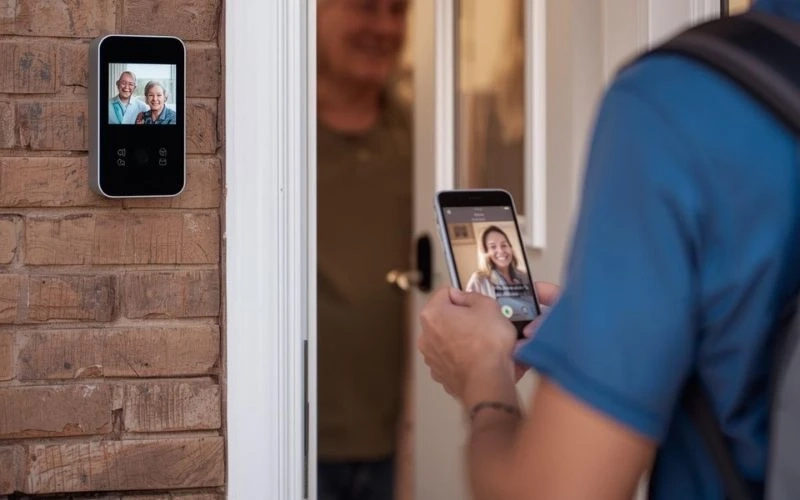
Gate Intercoms: Screening Visitors Before Entry
Elderly residents sometimes struggle to identify visitors, especially after dark or during phone calls.
Scenario: A visitor arrives at the gate at night. A gate intercom lets you talk to someone safely and check their identity before you open the door, which lowers the chance of scams or opportunistic break-ins.
Benefits include:
- Make sure guests are safe.
- Cut down on the chances for thieves to test entry points
- Easy to use, even for people who have trouble moving around
CCTV: Seeing Every Angle, Day and Night
Elderly residents may be unable to check their surroundings or notice subtle movement frequently. CCTV fills this gap.
Scenario: A resident is in the kitchen and hears footsteps outside. CCTV footage instantly confirms whether it’s a delivery, neighbour, or potential intruder.
Advantages include:
- Monitoring in real time from a phone or tablet
- For places with little light, night vision and motion detection
- Integrating with alarms to send out automatic alerts
FAQs
Can a single security system protect seniors effectively?
Integrated solutions are more reliable. Alarms alone provide alerts, but combined with CCTV, digital locks, and access control, protection becomes comprehensive.
Are digital locks safe for elderly residents?
Yes. They eliminate key management stress, allow temporary access for visitors, and maintain detailed access logs.
Which areas should CCTV cover first?
Driveways, gates, entry doors, and shared access points provide the highest preventative value.
Conclusion: Layered Security for True Peace of Mind
For real peace of mind, layered security is the way to go. There are subtle but serious dangers that elderly people living alone confront. Shared access points, roadways, windows, and doors are all possible weak spots that need a multi-layered security strategy to address. Combining alarms, digital locks, access systems, intercoms, and CCTV provides a layered approach to protecting a property.
Professional security system installations in Malvern integrate these tools effectively. They provide real-time alerts, deterrence, and the reassurance that residents remain safe while maintaining independence. Security becomes proactive, not reactive.