



Choosing the right excavator attachment can feel a bit like picking the right shoe for the terrain—you can make do with the wrong one, but it’ll slow you down and wear you out fast! Among the many excavator buckets for sale, three options often stand out: digging buckets, mud buckets, and sieve buckets. How do they compare, and when should each take centre stage?
Let’s dig into it—literally.
What Are Digging Buckets Best Known For?
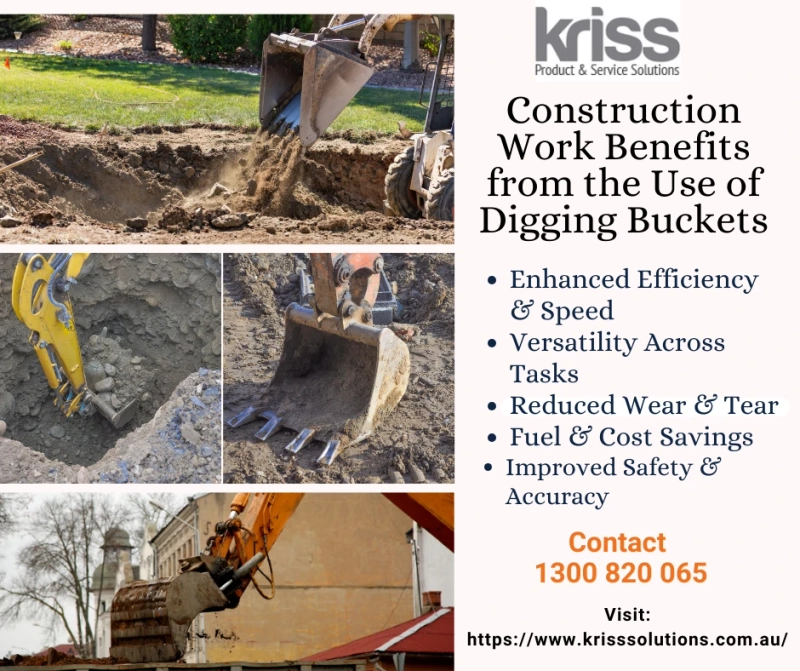
Digging buckets are the all-rounders of the excavation world. Built with teeth and a strong cutting edge, they’re designed to penetrate soil efficiently and move material quickly. From trenching to foundation work, they handle most everyday tasks without breaking a sweat.
That said, while they’re versatile, they’re not invincible. In excessively wet conditions or in jobs requiring material separation, their limitations become apparent. Still, for general excavation, they remain the first choice for many operators—no surprises there!
When Do Excavator Mud Buckets Make More Sense?
Ever tried scooping wet clay with a standard bucket? It sticks, clumps, and refuses to cooperate—frustrating, right? That’s exactly why excavator mud buckets exist. They’re wider, smoother, and designed to move large volumes of wet or loose material with ease.
Because of their shape, mud buckets reduce resistance and prevent material from sticking inside. They’re perfect for drainage work, riverbanks, or waterlogged sites where digging buckets struggle to stay efficient.
Why Choose an Excavator Sieve Bucket for Certain Jobs?
Now here’s where things get interesting. An excavator sieve bucket isn’t just about digging—it’s about sorting. Its perforated or grid-style base allows fine material to pass through while retaining rocks, debris, and larger chunks.
This makes it a standout performer in landscaping, demolition cleanup, and recycling. Instead of hauling mixed material away and sorting it later, you can do it right on-site. Less mess, fewer machines, and smoother workflows—what’s not to like?
How Do These Buckets Work Together on Tough Sites?
On challenging ground, it’s rarely a one-tool job. For example, operators may start by loosening compacted soil using an excavator ripper for sale, then switch to digging buckets to remove material efficiently. If the soil is wet, a mud bucket steps in. Need clean separation afterwards? That’s when the sieve bucket shines.
Each bucket plays its part, and together, they form a smart, adaptable system rather than competing options.
Which Bucket Should You Choose?
The answer depends entirely on your application:
· General excavation? Digging buckets have your back.
· Wet, sticky conditions? Mud buckets save time and frustration.
· Sorting and screening? Sieve buckets are unbeatable.
When browsing excavator buckets for sale, the smartest approach isn’t picking just one—it’s choosing the right combination for the work ahead.
Conclusion:
So, how do digging buckets compare to mud and sieve buckets? In short, they don’t replace each other—they complement each other. Digging buckets deliver speed and versatility, mud buckets tackle messy environments, and sieve buckets bring precision and efficiency to sorting tasks.
By understanding what each bucket does best—and when to use tools like a ripper beforehand—you’ll work smarter, faster, and with far fewer headaches. And in excavation, that’s the real win!