



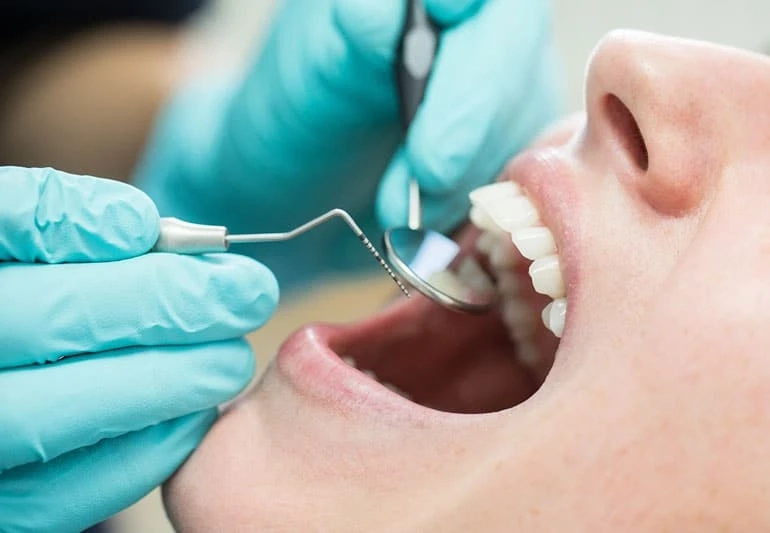
The journey to a radiant and functional smile often involves the meticulous process of dental implant placement. Behind the scenes, dentists employ a strategic approach to ensure the implants are not just secure but also harmoniously integrated into the oral structure. For those seeking an exceptional blend of functionality and aesthetics, a skilled cosmetic dentist in Rock Springs specializes in creating seamless smiles through precision and expertise.
In this exploration, we unveil the steps dentists take to determine the ideal positioning of dental implants, highlighting the precision and expertise required for a successful and aesthetically pleasing outcome.
Understanding the Anatomical Landscape:
1. Comprehensive Oral Examination:
The first step in determining the ideal positioning of dental implants is conducting a comprehensive oral examination. Dentists assess the patient\'s overall oral health, the condition of the jawbone, and the presence of any underlying issues. This thorough examination aids in identifying potential challenges and ensures the implant placement aligns seamlessly with the patient\'s oral anatomy.
2. 3D Imaging Technology:
Modern dentistry benefits from advanced 3D imaging technology, such as Cone Beam Computed Tomography (CBCT). This technology provides detailed, three-dimensional images of the oral and facial structures. Dentists utilize CBCT scans to precisely evaluate bone density, nerve pathways, and the overall anatomical landscape. This information is crucial for determining the optimal position and angle for implant placement, minimizing the risk of complications.
Planning with Precision:
1. Digital Treatment Planning:
Armed with detailed diagnostic information, dentists leverage digital treatment planning software. This technology allows for the virtual placement of dental implants within the 3D model of the patient\'s oral anatomy. Dentists can meticulously plan the position, depth, and angulation of each implant, customizing the treatment to suit the unique characteristics of the patient\'s mouth.
2. Guided Surgical Techniques:
Guided implant surgery is a revolutionary technique that enhances precision during the placement process. Utilizing the digital treatment plan, dentists create surgical guides—customized templates that dictate the exact location and angle for each implant. These guides act as a roadmap during surgery, ensuring that the implants are positioned with utmost accuracy, ultimately contributing to the long-term success of the procedure.
Consideration of Aesthetic and Functional Factors:
1. Smile Analysis:
For dental implants in visible areas of the mouth, such as the front teeth, dentists conduct a smile analysis. This involves assessing factors like the patient\'s facial features, lip line, and gum contours. The goal is to achieve not only optimal functionality but also a natural and aesthetically pleasing result that seamlessly blends with the overall appearance of the patient\'s smile.
2. Bite Alignment:
Dental implants must integrate seamlessly into the patient\'s bite for optimal functionality. Dentists consider factors like occlusion and bite alignment during the planning process. Ensuring that the implants align with the patient\'s natural bite pattern is crucial for preventing issues like uneven wear on the prosthetic teeth and maintaining the overall stability of the oral structure.
Patient-Centric Approach:
1. Individualized Treatment Plans:
Recognizing that each patient is unique, dentists tailor Rock Springs dental implants placement to individual needs. The ideal positioning of dental implants is determined not just by anatomical factors but also by the patient\'s specific goals, preferences, and oral health history. This patient-centric approach ensures that the treatment plan aligns with the individual\'s expectations and contributes to overall satisfaction.
2. Clear Communication and Education:
Dentists play a vital role in educating patients about the implant placement process. Clear communication regarding the planned position of implants, potential outcomes, and post-operative care fosters a collaborative approach. Patients are empowered to make informed decisions, and their active participation contributes to the success of the treatment.
The determination of the ideal positioning of dental implants is a meticulous and multifaceted process. Dentists combine advanced diagnostic tools, digital technology, and a patient-centric approach to achieve precision in placement. By considering anatomical, aesthetic, and functional factors, dentists ensure that dental implants not only restore missing teeth but also enhance the overall oral health and appearance of each patient.