




In today’s fast-moving trade environment, clearance and logistics service in Saudi Arabia has become a vital part of business operations. As one of the largest economies in the Middle East, the Kingdom of Saudi Arabia (KSA) plays a central role in regional and international trade. From imported consumer goods to exported petrochemicals, the efficiency of logistics and customs clearance directly influences business success and economic growth.
Understanding the Basics
Clearance services involve the legal and procedural steps required for goods to pass through customs. This includes submitting required documentation, paying duties and taxes, ensuring compliance with local laws, and obtaining government approvals.
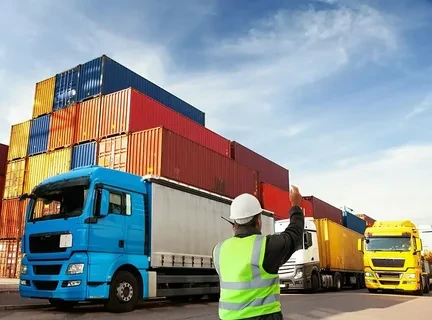
Logistics, on the other hand, covers the entire process of transporting goods — from the supplier to the customer. It includes warehousing, transportation, inventory control, and supply chain coordination. When combined, these services ensure that goods move quickly, securely, and cost-effectively across borders.
Why These Services Matter in Saudi Arabia
Saudi Arabia is investing heavily in its logistics infrastructure as part of Vision 2030 — an ambitious plan to diversify the economy. The country aims to become a global logistics hub by improving ports, railways, airports, and road networks. This transformation requires advanced clearance systems and efficient logistics operations.
Delays at customs can result in financial losses, missed deadlines, and strained client relationships. Efficient clearance services help companies avoid these issues by reducing waiting times and streamlining documentation processes. Logistics providers then ensure that products reach their destinations without damage or delay.
Key Components of Effective Clearance and Logistics
- Customs Expertise: Professionals who understand Saudi regulations help speed up the clearance process by preparing accurate documentation and navigating potential obstacles.
- Technology Integration: Modern logistics companies in Saudi Arabia use real-time tracking, automated customs systems, and digital invoicing to improve efficiency.
- Reliable Transportation: A good logistics partner has access to a robust transport network that includes land, sea, and air routes. This ensures quick and secure delivery.
- Warehousing and Storage: Strategic warehousing allows for the storage of goods near key trading points such as Riyadh, Dammam, and Jeddah.
Industries That Benefit the Most
Industries such as oil & gas, construction, FMCG, and retail heavily rely on seamless clearance and logistics operations. For example, the retail industry depends on timely imports to maintain inventory levels, while the oil and gas sector needs quick movement of heavy equipment and machinery for project deadlines.
Challenges and Solutions
While Saudi Arabia’s trade sector has improved significantly, businesses still face challenges such as changing regulations, port congestion, and fluctuating fuel prices. Partnering with an experienced logistics service provider can help mitigate these issues. A good provider stays updated with regulation changes and offers flexible solutions tailored to each business’s needs.
The Future of Logistics in KSA
Saudi Arabia is expected to see rapid growth in the logistics sector, supported by smart cities, automation, and blockchain technologies. Government initiatives like the Saudi Logistics Hub and the NEOM project will further boost the demand for advanced logistics and clearance services.
Also Read :- What Are the Key Benefits of Air Freight Logistics in Saudi Arabia?
Conclusion
With the rise in global trade and the Kingdom's strategic efforts toward modernization, the demand for clearance and logistics service in Saudi Arabia is only set to grow. Businesses that invest in professional and technologically advanced service providers will benefit from faster operations, reduced costs, and improved customer satisfaction.