



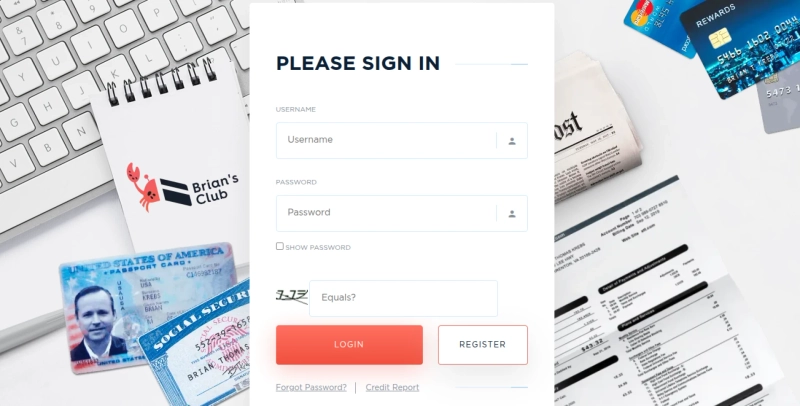
In today’s world, nearly everything we do online involves some form of payment. Whether you’re ordering food, booking tickets, shopping, or renewing a subscription, your credit card details become part of your digital routine. As more people start asking questions about online safety, terms like bclub tk, Dumps and CVV2 Shop, and similar phrases sometimes appear in discussions and create concern. It’s natural to wonder what these terms mean and how they relate to your safety. This guest post aims to give clear, human-friendly guidance to help you understand risks and stay protected without feeling overwhelmed.
The internet is huge, fast-paced, and filled with many layers—some good, some risky. When unfamiliar terms appear, your mind immediately questions whether your digital information is truly safe. Understanding these concepts doesn’t require advanced technical knowledge. With simple explanations and everyday examples, you can navigate the online world more confidently.
Why Do These Terms Cause So Much Confusion?
Most people don’t think deeply about how online transactions work behind the scenes. You simply enter your card number, expiry date, and CVV, and the payment goes through. But when you hear terms like Dumps or CVV2 in online conversations, curiosity and concern naturally rise.
Dumps usually refer to highly sensitive card information taken from the magnetic strip of a physical card. CVV2 refers to the security number printed on the back of a card, required for online transactions. Together, they represent the most sensitive pieces of card security data.
When names like bclub tk appear alongside these topics, it often happens in discussions about cybercrime awareness, fraud prevention, or digital safety. These mentions do not mean you should explore them. Instead, they serve as warning signs about the risks hidden in some corners of the online world.
Understanding these concepts is not illegal or unsafe. Clicking unknown websites related to them, however, can expose you to serious dangers, which is why learning through safe explanations like this is the best approach.
Why Online Risks Are Growing Faster Than Before
Online shopping has become easier than ever. One-click purchases, saved card details, automatic payments, and mobile wallets have simplified life. But this convenience brings vulnerability.
Here’s why risks are increasing:
More websites store card information
More people shop online
Cybercriminals use smarter tools
Scams are designed to look real
Users often skip basic security habits
Even trusted platforms sometimes face data breaches, proving that risk doesn’t always come from mistakes on your part. It also comes from attackers targeting large systems.
How Scammers Trick Ordinary People
Many people believe only careless users fall for scams. In reality, modern scams are designed to fool anyone. Scammers mimic the layout, color design, and language of real companies. They use urgency to pressure people and psychological tricks to gain trust.
Here are some common traps:
Fake login screens that look identical to genuine websites
Emails saying your account will be blocked unless you act fast
Messages pretending to be delivery updates requesting payment
Payment pages designed to steal card information
Fake browser pop-ups appearing as system warnings
Even experienced users have moments of distraction. Scammers rely on these moments to take advantage.
Why Names Like bclub tk Appear in Online Discussions
When people talk about online safety, cybersecurity experts, bloggers, and researchers sometimes mention names like bclub tk to explain how sensitive financial information might circulate online. These names are referenced in awareness content, warnings, or educational articles—not as recommendations.
Mentioning such keywords doesn’t mean encouraging users to explore risky platforms. Instead, they are used to help people understand what exists in unsafe online environments so they can protect themselves better.
Learning about the dangers from a safe educational source is completely risk-free. Exploring unknown websites directly is where the danger lies.
How to Keep Your Credit Card Safe Online
The good news is that protecting yourself is easier than most people think. You don’t need complicated security systems or expert knowledge. Small, consistent habits create a strong shield around your digital life.
Use strong passwords
Avoid common passwords like 12345 or your name. A strong password includes letters, numbers, and symbols.
Avoid saving your card everywhere
Only store card details on sites you trust deeply.
Turn on two-factor authentication
A one-time password sent to your phone adds another layer of safety.
Use virtual card numbers
Many banks offer temporary card numbers for online shopping.
Look closely at website addresses
Fake sites often copy real ones with tiny spelling changes.
Avoid public Wi-Fi for payments
Free networks can expose your data to interception.
Check your bank statements weekly
Monitoring helps you catch unfamiliar charges early.
These habits take only seconds to practice but can save you from big problems.
The Emotional Stress of Online Risks
Digital safety isn’t just a technical issue—it’s emotional too. When someone experiences online fraud, the stress can last for weeks. People may feel anxious, embarrassed, or afraid to use online payment services again.
Feeling cautious or worried doesn’t make you weak. It makes you human. Many people share these concerns, especially as online risks continue to grow. That’s why understanding how risks work gives you a sense of control and reassurance.
The Internet Is Not All Dangerous
With so many warnings everywhere, it might seem like the online world is full of danger. But digital payments have made life easier, faster, and more organized. You can still enjoy these conveniences safely by staying aware.
The goal is not to fear technology. The goal is to understand it enough to use it wisely.
When people see names like bclub tk online, it reminds them that hidden risks exist. But it also encourages them to learn more about digital safety and develop smarter habits.
Knowledge turns uncertainty into confidence.
Awareness Is the Strongest Protection
You don’t need expensive tools. You don’t need technical training. All you need is awareness.
Awareness helps you recognize red flags
Awareness prevents careless mistakes
Awareness builds confidence
Awareness protects your money
Small steps today can prevent big problems tomorrow.
Final Thoughts
Terms like bclub tk, Dumps, and CVV2 often appear in online safety discussions because people want to understand how fraud works and how to avoid it. This doesn’t mean you should explore unknown sites or interact with dangerous spaces.
Your best approach is simple: stay informed, stay cautious, and trust your instincts.
Credit card protection starts with awareness and continues with small daily habits. In a world where digital payments are a part of everyday life, understanding risks is your strongest shield.