



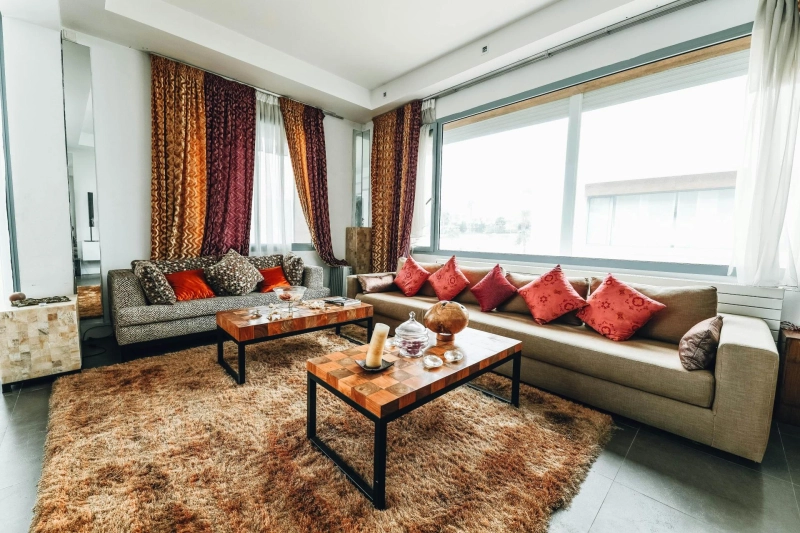
Warmth doesn’t always need new furniture. A cold or plain room can feel cozy with just a few simple touches. Changing colors, adding light, or using layers can quickly change how a space feels. These ideas bring comfort without spending much or moving heavy items. Small changes can have a big impact.
Place Warm Lights Where They Matter Most
Lighting shapes the atmosphere of space. Warm light radiates; chilly light seems flat and harsh. Changing chilly lights with warm-toned ones can help a space seem more laid-back right away. Like table or floor lights, lamps at various heights provide layers of light and soften strong shadows. Candles radiate an inherent warmth even when they are not lit. Either a little desk lamp or a corner lamp may rapidly change the atmosphere of a room. Lighting gloomy areas or next to walls helps create a mellow tone all around. Particularly in the evening, warm light helps places to seem calm and pleasant.
Use Textiles That Feel Warm to the Touch
Without adding furniture, blankets, pillows, and rugs, you can create a cozy area. A big blanket draped over the back of a chair or fresh fabric coverings on cushions can introduce softness and color to the area. Small as they are, rugs break up chilly flooring and provide a cozy haven for feet. Deep tones or natural textures, such as cotton, wool, or velvet, help one feel comfortable. Combining many elements creates layers and helps loosen the space. Thick or soft fabric curtains also serve to filter out loud noise and harsh light, therefore transforming the atmosphere of a space.
Select a Warmer Wall Color or Finish
Walls occupy a lot of area; hence, even a little change in paint or finish influences the whole room. Instant comfort comes from warm colors such as soft ochre, clay, or sandy beige. Limewash walls or clay plaster gives a softly reflecting, light-responsive texture and adds gentle depth to the wall surface. If painting the entire wall is not feasible, then just one warmly toned wall will change the ambiance of the area. The eye finds something soft to rest on in these hues. Natural finishes in earthy or mellow tones help the space feel relaxed. Warm-colored walls are also simple to repair, as most furniture designs complement them.
Add Natural Touches with Simple Materials
Natural elements that ground and warm a space are wood, stone, or woven objects. A basic wooden bowl on a table or a stone tray on a shelf radiates warmth without much modification. Even for storage, baskets help soften a place's boundaries. Natural materials often have subdued tones that complement various environments well. Their feeling of life and texture also balances rigid surfaces. Even in small doses, these little details can make a frigid space feel more laid back. Including nature within helps the place seem peaceful and lived in.
Show Personal Objects and Works of Art
Empty shelves or walls flatten a space. Handmade goods, framed pictures, or hanging art lend a personal touch to homes. These objects have visual appeal and significance, which warms me. Anything with color or texture works. Art does not have to be formal or costly. A room gains vitality from even leaning frames or arranging books in view. Arranging objects related to joyful experiences helps emotionally transform the environment. A well-placed warm-hue picture or poster supports the comfortable effect. These decisions create a comfortable and complete atmosphere and convey a story.
Use Scent to Modify the Emotional Tone
A room's smell also affects its mood. Warm smells, like cinnamon, vanilla, or cedar, help calm a room. Oils, candles, or incense add to this layer without requiring any furniture alterations. The aroma lingers in the air long after the source has gone. It also contributes to a complete ambiance by incorporating fabric and lighting. While loud or unpleasant odors may be disruptive, soft fragrances help people rest and feel at home. Changing the aroma depending on the season or mood also helps the room to seem new and friendly. Even an invisible scent gives actual warmth.
Conclusion
There is no new furniture required for warming up a room. The proper light, fabric, colors, natural elements, personal things, and aroma molecules create comfort. Every decision contributes something actual, improving the atmosphere of a place without significant renovation. Simple acts may completely transform the sense of space—fast, simple, and certain.