



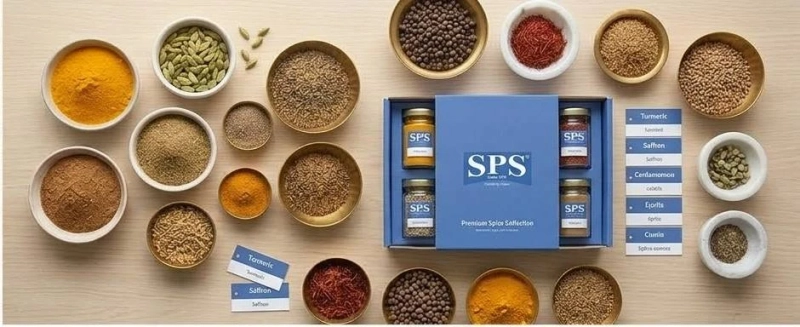
Buying spices online sounds convenient—and it is—but it can also feel like a gamble. You can’t smell the product, you can’t see the texture up close, and prices vary wildly. Some listings look suspiciously cheap, while others seem overpriced for no clear reason.
So how do you actually find authentic indian spices online without wasting money or compromising on quality? It’s a mix of smart checking, a bit of skepticism, and knowing what really matters.
Don’t chase the lowest price
It’s tempting to go for the cheapest option, especially when multiple sellers offer similar products. But spices aren’t something where cutting costs always works in your favor.
Extremely low prices can sometimes indicate older stock, diluted blends, or lower-grade sourcing. Instead of focusing on the lowest price, think in terms of value—quality, freshness, and quantity combined.
A slightly higher upfront cost often means better flavor, which actually saves money in the long run because you use less.
Read beyond the product title
Product listings can be misleading. Words like “premium” or “authentic” are easy to throw around, but they don’t guarantee anything.
Look deeper into the description. Does it mention sourcing, processing methods, or packaging details? Are there specifics, or is it just generic marketing language? Detailed descriptions usually signal a more reliable seller.
Reviews are helpful—but read them carefully
Customer reviews can give you useful insights, but they need to be read critically. Instead of just checking the rating, look for patterns in the comments.
Are people consistently mentioning freshness and aroma? Or are there complaints about bland flavor or poor packaging? A handful of negative reviews isn’t unusual, but repeated issues are a red flag.
Check packaging and storage details
When buying indian spices online, packaging matters just as much as it does in-store. The seller should mention airtight or sealed packaging designed to preserve freshness.
If that information is missing, it’s worth questioning how the spices are handled before they reach you.
Compare quantities, not just prices
A common trick is listing a lower price for a smaller quantity. At first glance, it looks like a good deal—but when you compare the price per gram, it might actually be more expensive.
Always check the weight and calculate the value. This simple step can prevent overpaying.
Look for transparency in sourcing
Authentic spices usually come with some level of traceability. Sellers who are confident in their products often share where the spices are sourced from and how they’re processed.
This transparency builds trust. It’s one of the reasons buyers often stick with reliable suppliers like Sps Foods Dk, where consistency and sourcing are taken seriously.
Avoid bulk buying unless you need it
Buying in bulk can seem like a money-saving move, but it only works if you use the spices quickly. Otherwise, you risk losing freshness before you finish the pack.
A better approach is to buy moderate quantities more frequently. This keeps your spices fresh and your cooking flavorful.
Watch out for overly long shelf lives
If a product claims an unusually long shelf life, it’s worth being cautious. Fresh spices naturally lose potency over time. Extremely long expiry periods might indicate heavy processing or older stock.
Shorter, realistic shelf life often means the product is closer to its natural state.
Balance convenience with quality
Online shopping is about convenience, but it shouldn’t come at the cost of quality. The goal is to find a balance—easy access without compromising on freshness or authenticity.
Sometimes that means spending a few extra minutes comparing options or reading details more carefully. It’s a small effort that pays off every time you cook.
Trust builds over time
Once you find a source that consistently delivers good quality, stick with it. The trial-and-error phase can take time, but it eventually leads to a reliable system.
And when your spices are consistently fresh and flavorful, cooking becomes more enjoyable—and far less frustrating.