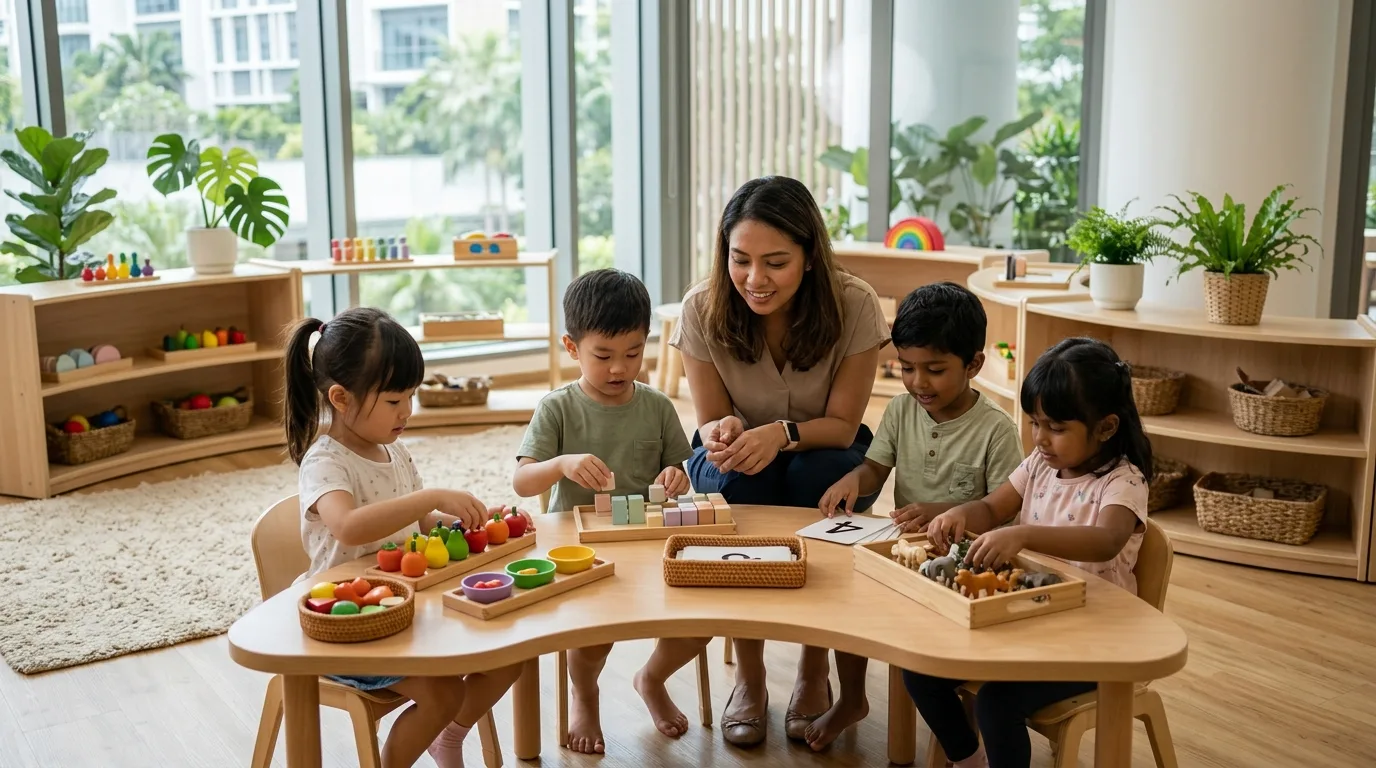
Have you ever thought about what it feels like for a child to walk into a classroom and instantly know they belong, no matter their abilities, background, or how they learn? Imagine the power of a smile from a teacher who understands and celebrates what makes each of us unique. That's the promise of inclusive education: a world where no child is left behind, and every child's spark is given a chance to shine.
But in Pakistan, getting to that kind of classroom isn't so simple. The journey is riddled with big dreams, tough realities, and hope, all hinging on the one person who turns those dreams into reality: The Teacher.
Let's talk about people, not just policies. Let's talk about teachers as everyday heroes, and how giving them the right teacher training can open up a whole new world for every child.
Why Teachers Matter More Than Ever
A teacher is more than someone who marks tests or lectures from the front of a room. The best teachers shape hearts, nurture curiosity, and see possibilities where others might see obstacles. But just think about being a teacher with a crowded class full of different needs, maybe one child struggles to read but loves art, another whizzes through math but is shy, and someone else rolls in with a wheelchair and a ready grin. Where do you start?
That's where teacher training programs make all the difference. When we give teachers the skills and confidence to meet every child where they are, we're giving every student a fair shot at success and a warm sense of belonging.
Teachers training can mean learning how to:
- Spot different needs early on, whether it's a learning disability or a barrier that's invisible.
- Mix up their techniques, not just sticking to write-and-recite but using stories, teamwork, art, and even tech if it helps reach a student.
- Model kindness, patience, and acceptance. Children see, children do. A teacher who includes everyone teaches the whole class how to be better friends.
- Try out helpful tools, maybe a screen reader or simple communication cards, so kids with special needs aren't shut out.
It's not about magic; it's about preparation and heart.
What's Standing in the Way?
Now, let's be honest, Pakistan faces some tough hurdles. We have big ambitions, but sometimes our classrooms tell a different story.
- Old, dusty textbooks and outdated teaching programs are still the norm in many training colleges. Young teachers graduate with tons of theory but very little hands-on experience managing a classroom with children of all abilities.
- Schools lack things many of us take for granted: ramps, accessible toilets, or even basic supplies like large-print books. Especially in the countryside, teachers have to do a lot with very little.
- Funding is a constant headache. Not just for equipment, but even for making time for extra training sessions.
- Many people still don't understand why inclusion matters. Some parents and even teachers carry deep fears or simply don't know how much children with disabilities can blossom in regular classrooms.
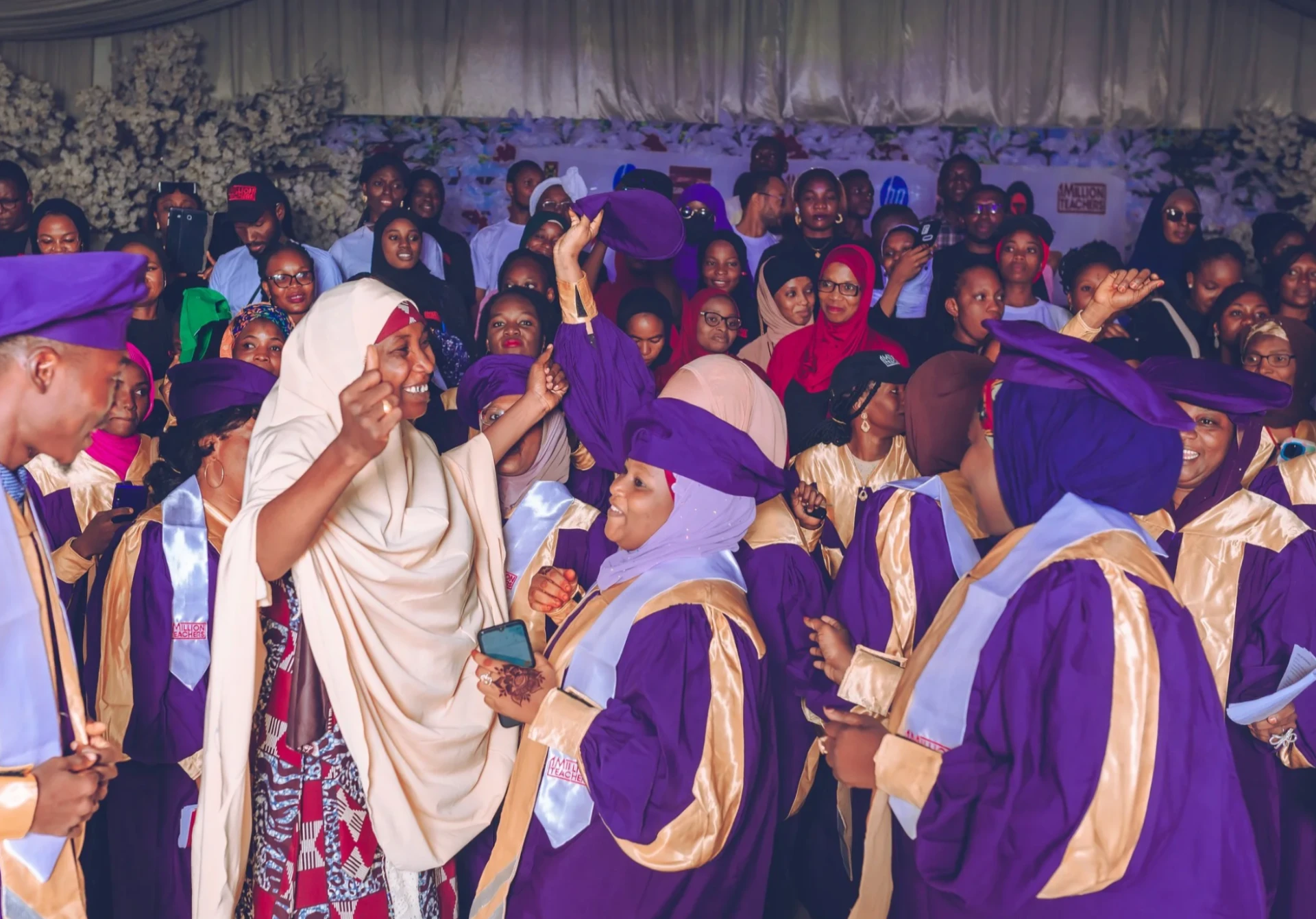
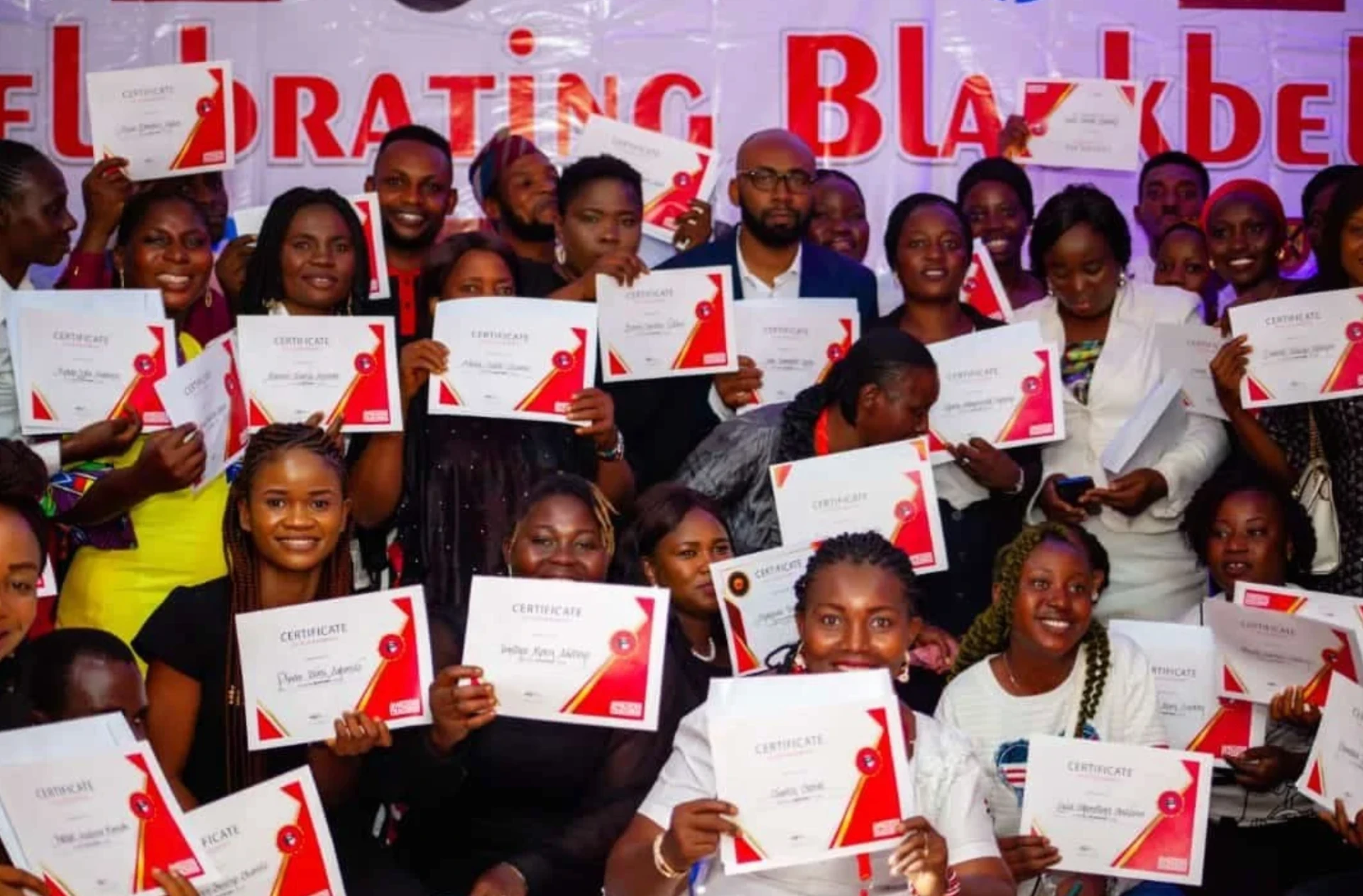
That's where global organizations like 1MT Cares step in, introducing teacher training programs in Pakistan working to fill the gaps, advocate loudly, and show what's possible when we join together.
So, What Can We Do (Together)?
Change doesn't need to be overwhelming. Sometimes it starts with one open-minded teacher, one supportive school leader, and one community conversation. But there are things we can all do to make inclusive education a living, breathing reality in Pakistan.
1. Transform Teacher Training
We need to re-imagine teacher training from the ground up. That means practical lessons, real-life scenarios, and space to talk about the tough stuff, like what to do when a child melts down or how to partner with parents. New teachers should walk into schools ready to meet every child, not just those who fit the "average."
2. Keep Learning, Always
No one's ever a finished product. Great teachers keep learning from workshops, teaching courses, each other, and, most of all, their students. Imagine regular gatherings, online or in-person, where teachers share stories ("What worked for your most complicated student, Bilal?" "How did you help Ayesha open up?"). Organizations like 1MT Cares can run these teacher training courses and create a network that supports teachers, not leaves them alone.
3. Invest in What Matters
Money gets tight, but some investments make all the difference: ramps for wheelchairs, audiobooks for the visually impaired, quiet corners for kids who get overwhelmed. The government and organizations can give grants, and private businesses and donors can pitch in too. Every little bit helps. Maybe 1MT Cares helps a rural school buy its very first set of tactile learning tools, which change ripples out to every child who uses them.
4. Bring Parents and Communities on Board
Let's admit: no teacher should have to go it alone. Inclusion works best when parents, local leaders, and the wider community understand why it matters and how to support it. Let's host open days, celebrate Diversity Week, and run awareness drives. Changing hearts can take time, but with teamwork and a trusted teacher's training program like 1MT Cares, we can build bridges.
What's At Stake?
Behind every big idea is a real child, someone dreaming, stumbling, laughing, longing to belong. It might be your son, your neighbour, or you. When we champion teacher training for inclusion, we're not just following a global trend; we're changing countless daily lives.
We're saying: "You matter. You're not invisible here. Come, be part of our story."
If we give our teachers the right support, practical know-how, training courses for teachers, and encouragement, Pakistan's classrooms can become places of true hope for everyone. Let's make sure every child's first step into school is also a step into friendship, learning, and a sense of home.
The challenge is big, but so is our capacity to care and to act.