



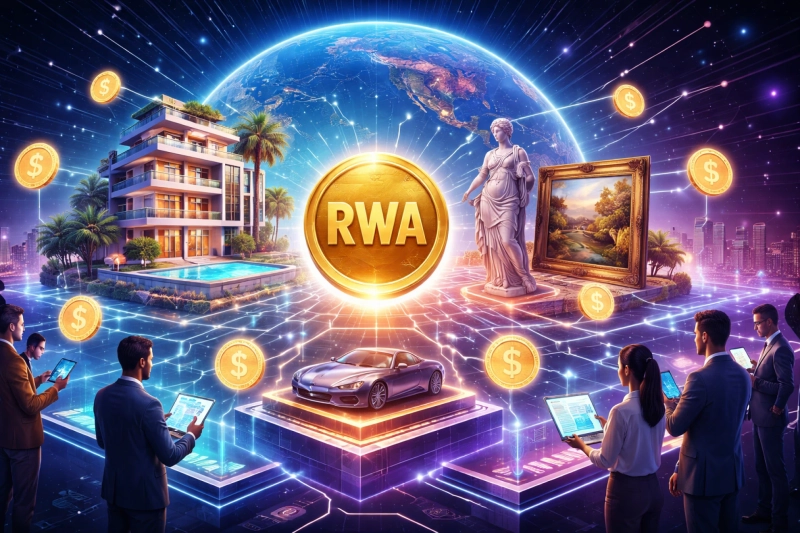
Real-World Asset (RWA) tokenization is a game-changing innovation that has the potential to democratize access to a wide range of traditionally illiquid assets, such as real estate, fine art, and collectibles. Tokenization enables fractional ownership, allowing investors to own and trade small portions of high-value assets on a global scale. With the power of blockchain technology, tokenization provides enhanced liquidity, transparency, and security. But how exactly does RWA tokenization enable global investors to access assets that were once reserved for the wealthy or institutional players? Let’s explore the process and benefits in detail.
What Is RWA Tokenization?
RWA tokenization refers to the process of converting physical, real-world assets into digital tokens on a blockchain. These tokens represent fractional ownership or shares of the underlying asset, whether it's real estate, a piece of fine art, a luxury car, or even rare collectibles. By digitizing these assets, tokenization enables them to be traded, transferred, and owned on the blockchain, offering advantages such as reduced transaction costs, faster settlement times, and global accessibility.
Core Features of RWA Tokenization
- Fractional Ownership: Tokenization allows an asset to be divided into many small tokens, enabling multiple investors to own a share of a single asset.
- Liquidity: Tokenized assets can be traded on secondary markets, increasing their liquidity compared to traditional, non-tokenized assets.
- Global Access: Blockchain’s decentralized nature allows investors from any part of the world to access and participate in asset markets that were once restricted to high-net-worth individuals or institutional investors.
- Transparency: Blockchain’s immutable ledger provides a transparent and secure record of ownership and transaction history, minimizing fraud risks.
How RWA Tokenization Opens Access to Property Investments
Real estate is one of the most popular asset classes for tokenization, with a vast global market that was historically difficult to access for small or international investors. Tokenization lowers the barrier to entry by allowing fractional ownership of real estate properties, such as residential homes, commercial buildings, and vacation properties.
Fractional Ownership of Real Estate
In the traditional real estate market, investing in properties requires significant capital, often out of reach for smaller investors. Tokenization allows investors to buy tokens representing shares of a property, thus lowering the entry barrier. For example, instead of needing hundreds of thousands or millions of dollars to invest in a commercial property, an investor can purchase a fraction of the property in the form of tokens worth a few hundred or thousand dollars. This democratizes access to lucrative real estate markets.
Access to International Markets
Tokenization platforms enable global access to properties in different geographic locations, which was once a challenging and costly endeavor. Previously, if an investor wanted to purchase a property in a foreign market, they would need to navigate complex legal and regulatory hurdles, not to mention dealing with foreign exchange risks. With tokenization, investors can easily buy and sell property tokens across borders using digital wallets and platforms that support blockchain-based transactions.
Liquid Real Estate Markets
One of the key advantages of tokenizing real estate is the liquidity it provides. Traditionally, real estate transactions can take months to complete due to the complexities of legal paperwork, inspections, and closing processes. With tokenized real estate, ownership can be transferred almost instantaneously through blockchain, enabling faster transactions and access to secondary markets. Tokenized real estate platforms provide a marketplace for buying, selling, and trading property tokens, which increases liquidity and allows investors to more easily exit their positions.
Tokenization of Art and Collectibles
Art and collectibles are another category of assets that benefit significantly from tokenization. High-value art, rare antiques, and collectibles are typically illiquid and difficult to trade. They require significant upfront investment and are often out of reach for smaller investors.
Fractional Ownership of Fine Art
Fine art is traditionally considered a high-barrier investment due to the enormous value of some pieces. Tokenization allows art to be broken into fractional shares, enabling investors to own a portion of famous works of art like paintings by Van Gogh, Picasso, or even contemporary digital art. This opens the art market to a global audience, enabling investors to diversify their portfolios with art tokens.
Global Trading of Tokenized Art
The global nature of blockchain means that tokenized art can be bought and sold across borders, connecting collectors, investors, and artists from around the world. Instead of relying on traditional auction houses or art dealers, investors can use tokenization platforms to buy or sell art with ease, eliminating intermediaries and the associated fees.
Liquidity for Illiquid Assets
The art market has historically been illiquid, with investors often having to wait years for the right buyer to come along. Tokenization provides a secondary market for art tokens, enabling quicker sales and purchases. Tokenized art also allows for better pricing transparency, as blockchain ensures the traceability of a piece’s history and previous sales, which enhances market efficiency.
Tokenization of Other Real-World Assets
Beyond real estate and art, RWA tokenization extends to a wide variety of assets, including commodities, rare collectibles, and even intellectual property. By making these assets more accessible, tokenization helps broaden the scope of global investment opportunities.
Commodities
Commodities such as gold, silver, oil, and agricultural products can be tokenized, enabling fractional ownership of these physical assets. Tokenized commodities allow for easier trading and fractional ownership, offering investors exposure to these markets without needing to buy or store the physical assets. For example, tokenized gold can be bought, traded, and sold just like any other digital asset.
Rare Collectibles
Rare collectibles such as luxury cars, watches, and sports memorabilia can also be tokenized. These assets often carry high value but are challenging to sell or trade due to their illiquid nature. Tokenization allows these items to be divided into small, tradable units, enabling global investors to buy and sell portions of rare collectibles in a secure and efficient manner.
Intellectual Property and Royalties
Tokenization can be applied to intellectual property (IP) assets such as patents, trademarks, and copyrights, as well as royalty streams. By tokenizing IP, the rights to these assets can be fractionally owned and traded, providing liquidity to IP holders and enabling investors to gain exposure to royalty income without needing to own the underlying asset in full.
The Benefits of Global Access Through RWA Tokenization
The ability to provide global access to traditionally illiquid assets is one of the most significant advantages of RWA tokenization. Here’s how tokenization benefits investors across the world:
1. Lowering Geographic Barriers
Tokenization eliminates geographic barriers to entry for investors. A person in Africa can easily invest in real estate in Europe or art in Asia, providing them access to international markets they would have otherwise been unable to participate in due to high fees or logistical challenges.
2. Enabling Small-Scale Investments
Tokenization allows investors to participate in markets that would typically require large investments. For instance, instead of having to purchase an entire property or piece of art, an investor can buy a fraction of the asset, making high-value investments accessible to a broader audience.
3. Increasing Liquidity
Tokenized assets can be traded 24/7 on blockchain-based platforms, which enhances liquidity. This is especially beneficial for global investors who need to exit positions or adjust portfolios in real-time, something that traditional markets cannot offer with the same ease.
4. Lower Transaction Costs
The blockchain-based nature of tokenized assets reduces the need for intermediaries such as brokers, custodians, and legal entities, resulting in lower transaction costs. This is particularly advantageous for global investors, as cross-border fees and delays are minimized.
5. Fractional Ownership of High-Value Assets
Investors can own fractions of valuable assets, whether real estate, art, or other collectibles. This fractionalization makes it possible for investors with smaller budgets to participate in markets that were once restricted to high-net-worth individuals or institutional investors.
The Future of Global Investment in RWA Tokenization
The future of RWA tokenization looks promising, with more asset classes being tokenized and new markets emerging. As blockchain technology continues to mature, we can expect more investors to embrace tokenization as a viable way to access real-world assets.
Increased Regulatory Clarity
As regulators around the world work to develop clear frameworks for tokenized assets, we’ll likely see an increase in institutional adoption and more robust legal protections for investors. This will provide a secure environment for both individual and institutional investors to engage in global tokenized markets.
Integration with Traditional Finance
In the coming years, we can expect greater integration of RWA tokenization with traditional financial systems. Banks, brokers, and custodians will likely play a crucial role in ensuring the secure storage, management, and exchange of tokenized assets, further bridging the gap between the digital and traditional financial worlds.
Conclusion
RWA tokenization is revolutionizing the way global investors access high-value assets like real estate, art, and collectibles. By allowing fractional ownership and creating liquid, tradable assets, tokenization is democratizing access to markets that were once reserved for the wealthy or institutional investors. As blockchain technology continues to evolve, tokenized assets will increasingly offer global investors new opportunities for diversification, transparency, and efficiency.
The combination of blockchain’s security and the global accessibility it provides is unlocking new investment potential and paving the way for the next wave of financial innovation.