



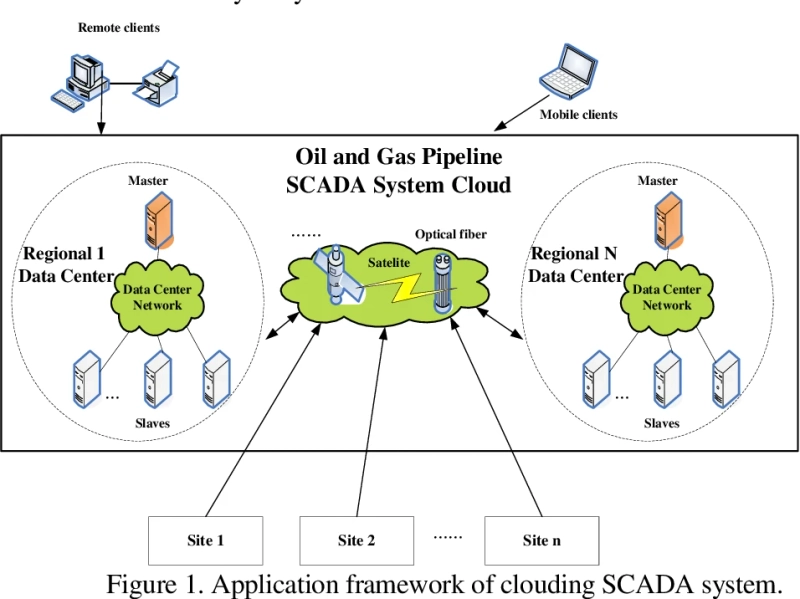
Oil and gas organizations increasingly rely on cloud analytics to improve asset reliability, production efficiency, and operational visibility. However, SCADA systems were designed for control and stability—not cloud connectivity. Connecting these environments securely requires a carefully architected integration approach that protects operational integrity while enabling analytics.
Why SCADA-to-Cloud Integration Is Sensitive
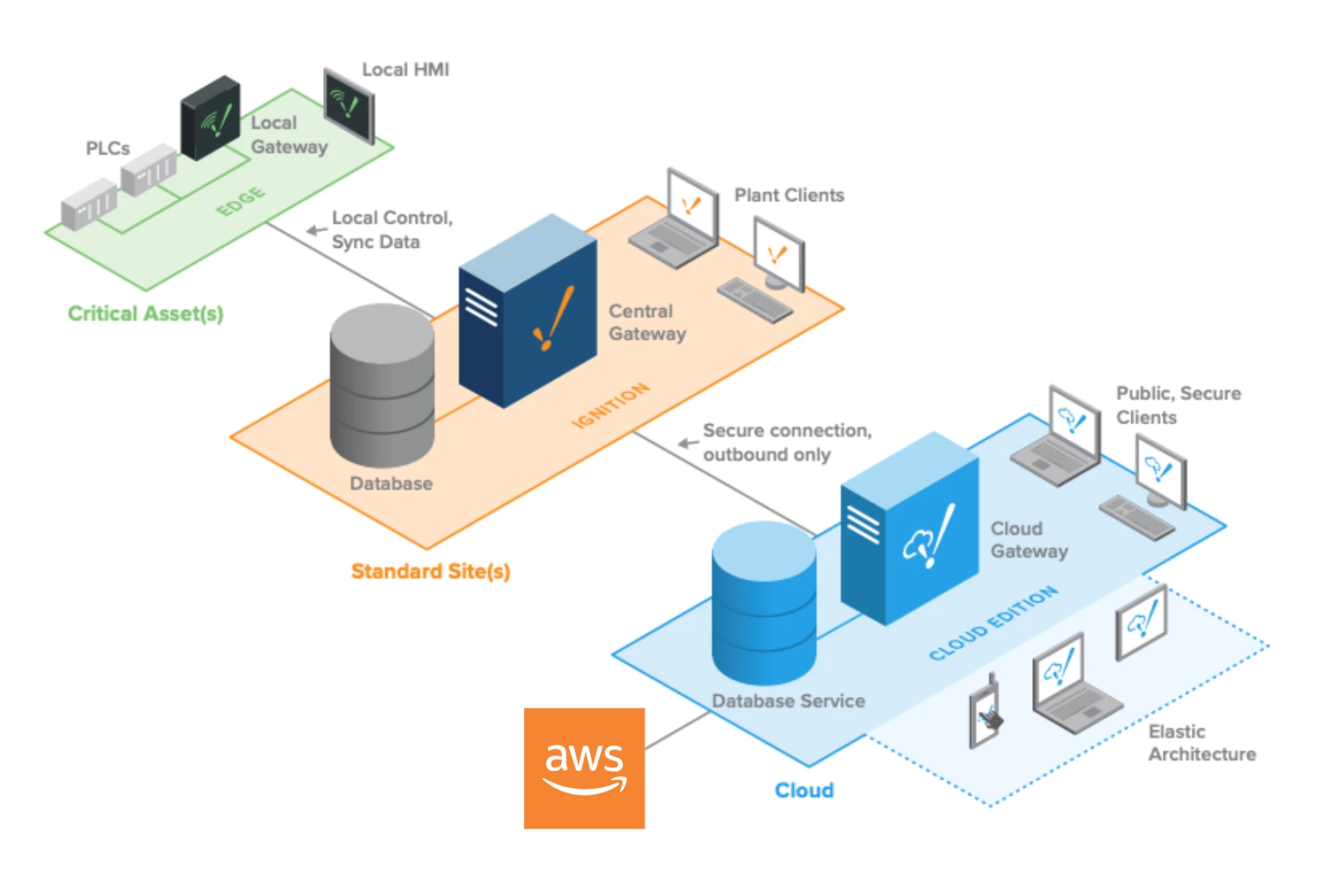
SCADA environments support mission-critical operations and are often governed by strict safety and compliance requirements. Common challenges include:
- Legacy protocols with limited native security
- Strict network segmentation between OT and IT environments
- Low tolerance for latency, downtime, or instability
As a result, direct or ad hoc connections to the cloud introduce unacceptable risk—especially in oil and gas SCADA management software environments.
Secure Architecture Principles
A secure SCADA-to-cloud strategy follows several core principles:
1. Strict Network Segmentation
SCADA systems should never connect directly to cloud platforms. Instead, data flows through secure demilitarized zones (DMZs) or edge gateways that enforce isolation between OT and IT networks.
2. Read-Only Data Extraction
Only operational telemetry and event data should flow outward. Control commands and write access remain strictly within the OT environment, protecting system integrity.
3. Protocol Translation and Normalization
Integration layers translate proprietary or industrial protocols into secure, cloud-friendly formats without exposing internal SCADA logic.
The Role of Integration Platforms
A modern integration platform acts as the secure orchestration layer between SCADA systems and cloud analytics tools. For oil and gas automation software, this enables:
- Controlled ingestion of SCADA data into cloud analytics platforms
- Event filtering and aggregation at the edge
- Secure authentication, encryption, and auditing
This approach avoids brittle point-to-point connections while supporting scalable analytics.
Supporting Advanced Oil & Gas Operations
When SCADA data is securely integrated with cloud platforms, oil and gas operations software can support:
- Predictive maintenance and anomaly detection
- Production optimization and performance benchmarking
- Real-time operational dashboards for decision-makers
Security and reliability remain intact because operational control never leaves the OT domain.
Why Workflow-Based Integration Matters
Workflow-driven integration allows organizations to:
- Define exactly which SCADA events trigger analytics workflows
- Apply validation and throttling before data reaches the cloud
- Monitor and audit data movement continuously
This is essential for maintaining trust in analytics outputs while meeting regulatory and cybersecurity requirements.
How ConnectorHub Enables Secure Integration
Platforms like ConnectorHub help oil and gas organizations securely connect SCADA systems to cloud analytics platforms by orchestrating data flows through no-code workflow builder controlled, configurable workflows—bridging OT and IT environments without exposing core control systems.
Final Takeaway
Securely connecting SCADA systems to cloud analytics platforms is not about opening access—it is about controlled orchestration. By using an integration platform that respects OT boundaries, enforces security controls, and enables workflow-based data movement, organizations can unlock analytics-driven insights without compromising safety or reliability.
For oil and gas operators, this approach turns SCADA data into a strategic asset—while keeping critical operations protected.