



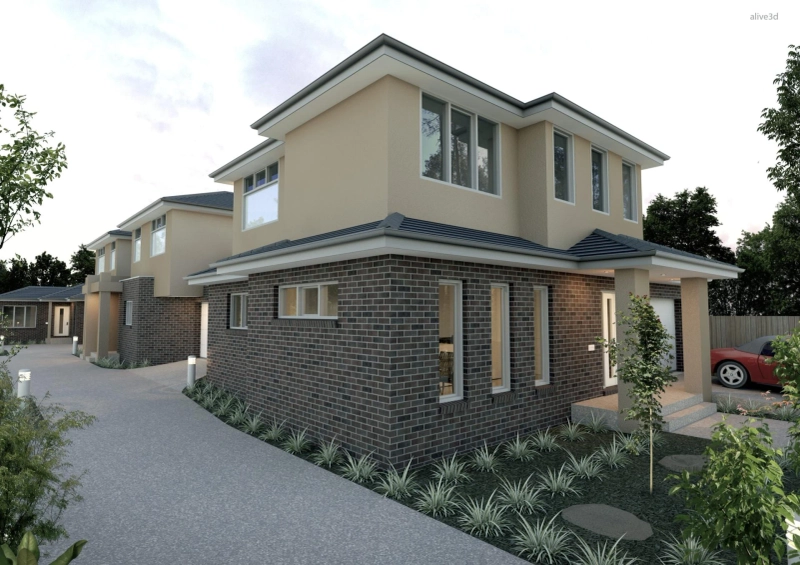
At a time when stability is no longer alternative, building and construction industry is undergoing a revolutionary change. Environmentally friendly construction is not just a trend-this is a requirement. In Brisbane, from domestic builders to commercial developers, to deal with hospitality-fit-out and retail shop fit outing, builders across the board are adopting innovative green practices to reduce environmental impact and meet the demands of environment-prone consumers.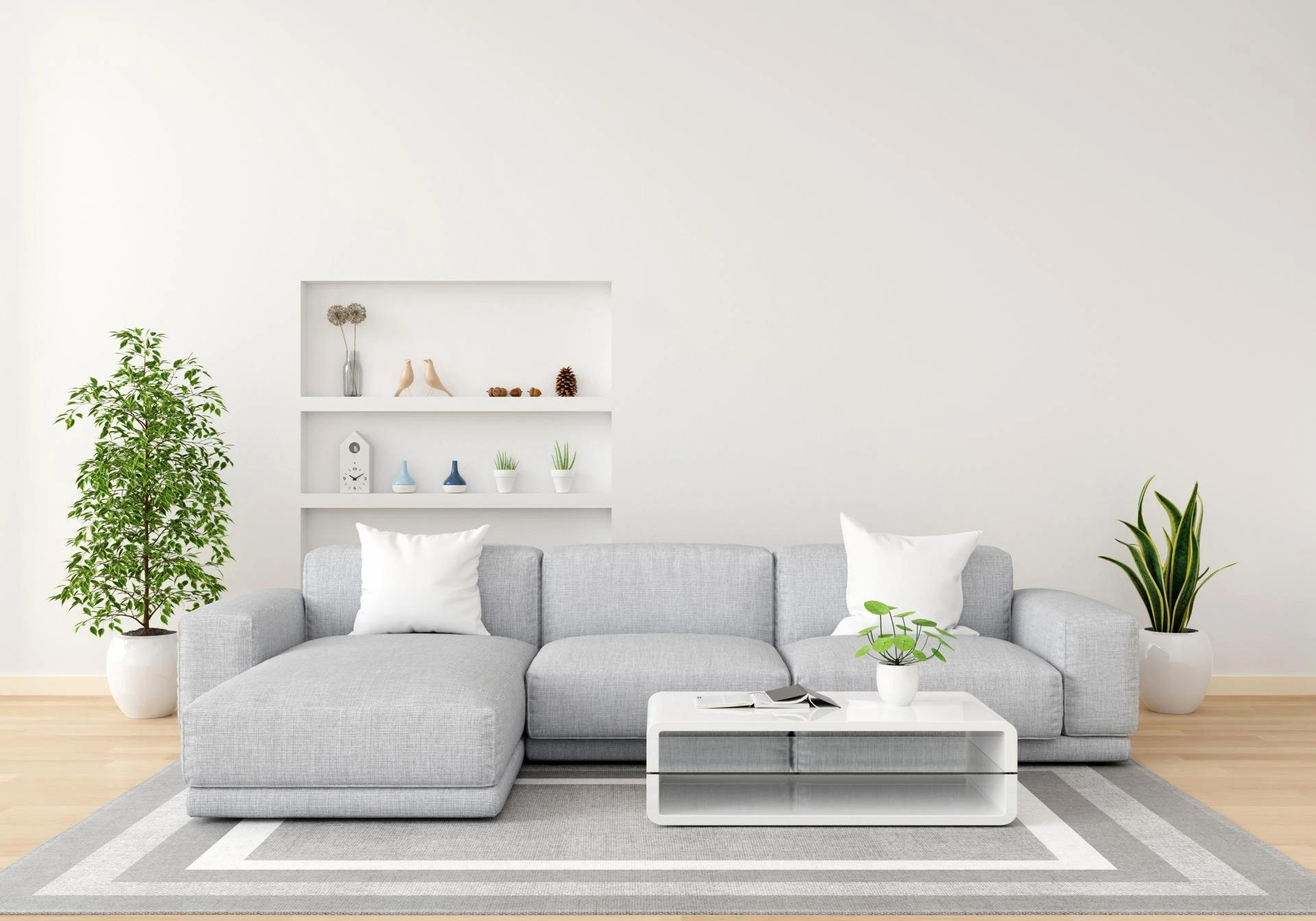
Why Eco-Friendly Construction Matters
The construction industry has traditionally been one of the largest contributors in carbon emissions, waste production and resource consumption. It has placed the builders in a powerful position to begin changes. By integrating environmental-conscious practices at each stage-designs, materials, energy systems, and waste management-fielders can significantly reduce the ecological footprint of each project.
The Role of Home Builders in Brisbane
Home builders in Brisbane are at the forefront of sustainable construction. With Queensland’s subtropical climate, there is a strong incentive to design homes that naturally reduce energy consumption.
Key Practices Adopted:
- Passive Design Techniques
- Builders are designing homes with optimal orientation for natural light and airflow, reducing the need for artificial lighting and air conditioning.
- Solar Integration
- Rooftop solar systems are becoming a default offering in many new homes. Combined with battery storage, these systems allow homeowners to live nearly off-grid.
- Sustainable Materials
- Brisbane builders are turning to sustainably sourced timber, low-VOC (volatile organic compound) paints, and recycled materials for flooring, insulation, and fixtures.
- Smart Water Systems
- Rainwater harvesting, greywater recycling, and water-efficient plumbing are now integral parts of home design to reduce water waste.
These strategies not only lower household utility bills but also enhance long-term property value, making green homes a smart investment.
Eco-Focused Hospitality Fit-Outs
The hospitality region, especially in the rapidly growing tourist market of Brisbane, is also embracing stability. The environment is more likely to support the places that display responsible environmental practices, pressurizing the industry.
Innovations in Hospitality Fit-Outs:
- Energy-Efficient Lighting and HVAC
- LED lighting, automated thermostats, and zoned HVAC systems are now standard in green hospitality spaces.
- Recycled & Natural Finishes
- Builders are prioritizing eco-friendly interiors using bamboo flooring, reclaimed wood furniture, and non-toxic adhesives and paints.
- Waste Reduction Systems
- Restaurants and cafés within fit-outs are integrating composting units, bulk dispensers, and reusable dining ware to minimize waste.
- Low-Impact Construction Techniques
- Builders are using prefabricated components and modular designs to speed up construction while reducing on-site waste and energy use.
These hospitality-fit-outs aren't just better for the planet—they're also creating unique, visually appealing spaces that attract modern eco-conscious consumers.
Retail Shop Fit Outs Leading the Way
Retail spaces are embracing sustainability both as a value proposition and a cost-saving measure. From boutiques to franchise outlets, retail shop fit outs in Brisbane are seeing a green transformation.
Green Strategies for Retail Spaces:
- LED and Smart Lighting
- Replacing traditional lighting with energy-efficient LED systems cuts energy consumption drastically.
- Sustainable Fixtures
- Store fixtures made from recycled wood, metal, or eco-friendly composites contribute to a lower carbon footprint.
- Optimized Insulation
- Proper insulation reduces the need for constant heating or cooling—especially critical in Brisbane’s hot summers.
- Digital Solutions
- Going paperless with digital displays, receipts, and marketing material reduces deforestation and waste.
Retailers not only benefit from lower operating costs but also position themselves as ethical brands—a powerful selling point in today’s market.
Builders Embracing Certifications and Regulations
Builders across Brisbane are also becoming well-versed in environmental certification systems such as Green Star, NABERS, and BASIX. These frameworks guide and assess the sustainability performance of new constructions and renovations.
For instance:
- Green Star rates the environmental impact of buildings in categories like energy, water, materials, and indoor environment quality.
- BASIX (Building Sustainability Index) ensures homes in Queensland meet minimum efficiency standards before approval.
These certifications are not just regulatory checkboxes—they’re symbols of quality, future-readiness, and commitment to the environment.
Challenges in Eco-Friendly Construction
Despite the momentum, builders still face a few challenges:
- Cost of Materials: Eco-friendly materials often come at a premium.
- Knowledge Gaps: Some builders or tradespeople may lack training in sustainable techniques.
- Client Perception: Not all clients are willing to invest in sustainability, focusing only on short-term costs.
However, with increased government incentives, educational programs, and public awareness, these obstacles are steadily being overcome.
The Future of Green Building
The future is undeniably green. Innovations such as 3D printed houses with durable materials, carbon-positive building designs and AI-operated energy systems are already being tested in pilot projects worldwide. In Brisbane, home builders, commercial manufacturing teams and fit-out experts are aligning their practices with global environmental goals. Whether it is a family house in the suburbs, a fashionable cafe in the city, or a major retail outlet, is proving to be builders that do not mean compromising on environmentally friendly style or functionality.
Final Thoughts
Environmentally friendly construction is more than a discussion-it is a responsibility. From Home Builders Brisbane to Hospitality-Out experts and retail shop designers fit projects, the change in the durable building is going well. With conscious schemes, smart designs and right materials, today's builders are building a foundation for a cleaner, greenery and more flexible tomorrow.