



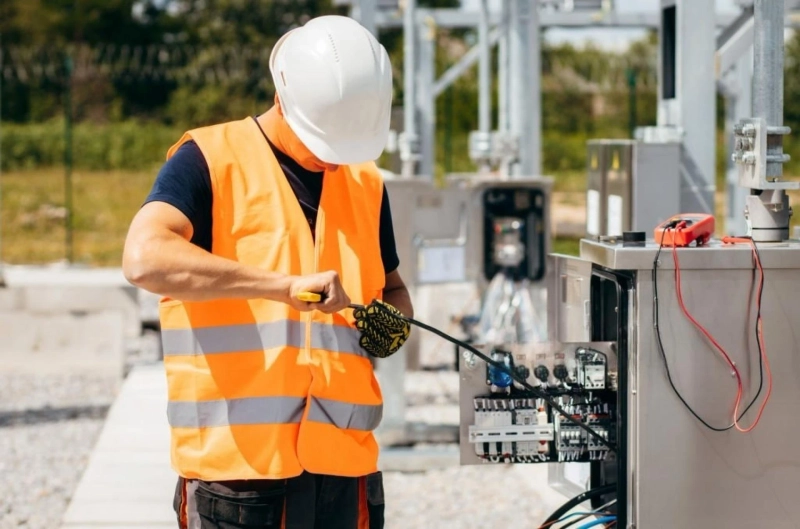
As Barnsbury continues to evolve into one of North London’s most desirable residential zones, the expectations around electrical compliance have intensified. With 2026 marking a year of stricter enforcement and sharper safety obligations, local landlords, freeholders and managing agents are preparing for an enhanced pathway to Electrical Installation Condition Report (EICR) readiness. Achieving full compliance is no longer simply a legal obligation—it is a proactive safeguard for the rising number of tenants, families and professionals who call Barnsbury home.
While many properties in the area are built from older Georgian and Victorian stock, the push towards modern safety standards is reshaping how electrical systems must be maintained, inspected, and upgraded. The following guide explains the key steps Barnsbury properties need to take to achieve full EICR Barnsbury readiness by 2026.
Understanding Why EICR Readiness Matters in Barnsbury
Barnsbury is an area where period properties dominate the streetscape, and with age comes electrical vulnerability. Many homes built before the 1970s require regular rewiring, updated consumer units and modern protective devices to meet present-day safety requirements. By 2026, these checks will be carried out with even more scrutiny, aiming to reduce avoidable hazards such as electrical shocks, wiring faults and fire risks.
Local authorities across London are also tightening enforcement, especially in the private rental sector. Landlords who ignore outdated wiring systems now face greater penalties, potential improvement notices and the risk of losing tenancy rights. EICR Barnsbury readiness acts as a buffer against these liabilities and ensures that Barnsbury’s properties—historic or modern—remain safe, lettable and compliant.
Key Steps to Achieving Full EICR Readiness by 2026
1. Conduct a Preliminary Electrical Assessment
Before booking a formal EICR Barnsbury, property owners should request a pre-inspection assessment. This helps identify visible defects early, such as cracked sockets, burns around switches, loose wiring or signs of outdated fuse boards. For older Barnsbury conversions, a pre-check allows electricians to understand hidden issues behind walls and ceilings that may affect the final EICR outcome.
2. Upgrade Consumer Units Where Necessary
One of the most common reasons Barnsbury properties fail an EICR is the presence of old-style fuse boxes with rewirable fuses. By 2026, this level of setup will almost always be deemed unsatisfactory. Modern consumer units with RCBOs, RCD protection and surge devices are now expected, especially in private rentals. Upgrading the consumer unit not only boosts compliance but also enhances overall electrical resilience.
3. Address C1, C2 and FI Observations Promptly
EICRs classify defects under categories:
- C1: Immediate danger
- C2: Potential danger
- FI: Further investigation required
To reach full readiness by 2026, all categories must be rectified professionally. For Barnsbury landlords, leaving even one FI or C2 unresolved may cause tenancy delays and enforcement action. A fast turnaround between inspection, repair and re-inspection ensures no gaps in compliance.
4. Prioritise Rewiring for Dated Properties
Many Barnsbury terraces and flats still contain pre-1980 cabling, often rubber-insulated, cloth-covered or aluminium wiring. These materials degrade over time and pose a greater risk of electrical overheating. Rewiring may sound disruptive, but landlords who invest early benefit from smoother EICR Barnsbury approvals, reduced insurance liabilities and long-term tenant safety.
5. Improve Earthing and Bonding Connections
In several period properties, earthing is inadequate or missing entirely. For 2026 compliance standards, proper earthing and bonding on gas pipes, water pipes and metal structural components are mandatory. Without them, even new electrical systems may be deemed unsafe. Strengthening these connections ensures the property meets Barnsbury’s increasingly strict inspection criteria.
6. Implement Regular Testing and Monitoring
One-off London Property Inspections are no longer enough. To maintain readiness, owners should schedule ongoing checks, especially in HMOs and multi-storey conversions common across Barnsbury. Regular tests allow for the early detection of overloaded circuits, deteriorating cables and defective protective devices.
Maintaining EICR Compliance Beyond 2026
Staying compliant is an ongoing responsibility. As London’s housing and safety standards evolve, Barnsbury landlords must remain proactive by:
- keeping detailed maintenance records
- performing safety checks between tenancies
- ensuring appliances meet updated electrical safety requirements
- arranging periodic inspections even before their EICR Barnsbury expires
Achieving readiness for 2026 is just the beginning; maintaining it ensures reliability, safety and future-proof confidence.
FAQs
1. How often do Barnsbury rental properties need an EICR?
Rental homes require an EICR every five years, although older properties or HMOs may need more frequent assessments if advised by the electrician.
2. What happens if a property fails the EICR?
The landlord must repair all C1, C2 and FI issues promptly. Once resolved, a follow-up inspection verifies compliance before the property can be legally rented.
3. Do homeowners in Barnsbury need an EICR?
Although not legally required for owner-occupied homes, an EICR is strongly recommended, especially in older properties or when planning renovations or sales.
4. Is a consumer unit upgrade mandatory for 2026?
While not mandatory by law, many older units will not pass modern EICR standards due to lack of RCD protection. Upgrades are often essential for compliance.
5. Who can issue a valid EICR in Barnsbury?
Only qualified and registered electricians—such as NICEIC, NAPIT or STROMA professionals—are authorised to carry out inspections and issue reports.