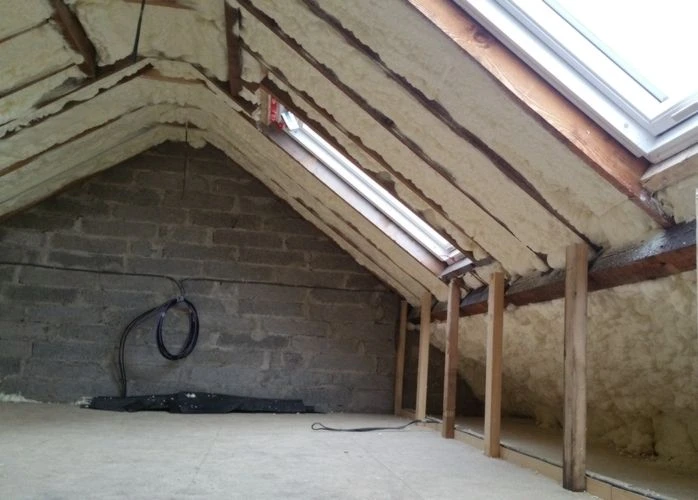
Attic insulation directly contributes to a more sustainable home environment by sealing the primary escape route for conditioned air, which significantly lowers the energy required to heat and cool a structure. By stabilizing indoor temperatures and reducing HVAC system workload, property owners decrease their consumption of fossil fuels and electricity, resulting in a measurable reduction in daily carbon emissions. This simple structural upgrade transforms a passive source of energy waste into an efficient thermal barrier that supports long-term environmental goals.
Sustainable living involves more than just solar panels or recycling; it begins with the building envelope itself. In the Pacific Northwest, where heating demands are high during the long, damp winter season, a well-insulated attic prevents heat from rising and dissipating through the roof. The following sections outline the specific mechanisms through which proper attic insulation promotes energy independence, structural longevity, and a healthier living space for residents.
Reducing Carbon Footprint Through Energy Efficiency
The most immediate environmental benefit of upgrading attic insulation is reduced energy demand. When a home retains heat effectively, the furnace or heat pump operates for shorter periods and less frequently. This reduction in runtime directly translates to fewer greenhouse gases being released into the atmosphere from power plants or on-site combustion.

Controlling the Stack Effect
Heat naturally rises, creating a pressure dynamic known as the "stack effect." As warm air ascends into the attic and escapes through vents or gaps in the roof deck, it creates a vacuum that pulls cold, outdoor air into the lower levels of the house. This cycle forces the heating system to work constantly to warm new air.
- Stops Air Leakage: Sealing the attic floor or roof deck breaks the convective cycle.
- Retains Conditioned Air: the heat paid for stays inside the living space.
- Lowers Peak Demand: reduces strain on the electrical grid during extreme weather events.
Maximizing HVAC Performance
Heating and cooling equipment operate most efficiently when running at a steady state rather than cycling on and off rapidly. Proper insulation ensures that once the desired temperature is reached, it is maintained with minimal energy input. This efficiency reduces the total kilowatt-hours or therms of natural gas consumed annually.
Bonus Tip: Equipment SizingWhen a home is adequately sealed and insulated, it often requires a smaller HVAC unit. Replacing an oversized system with a correctly sized unit further reduces energy waste and the use of manufacturing resources.
Protecting Structural Integrity and Longevity
Sustainability also encompasses the durability and lifespan of the building materials. A home that lasts longer without needing major repairs or material replacements consumes fewer resources over its lifetime. Insulation plays a vital role in protecting the roof assembly from temperature-related stress and moisture damage.
Preventing Moisture and Ice Dams
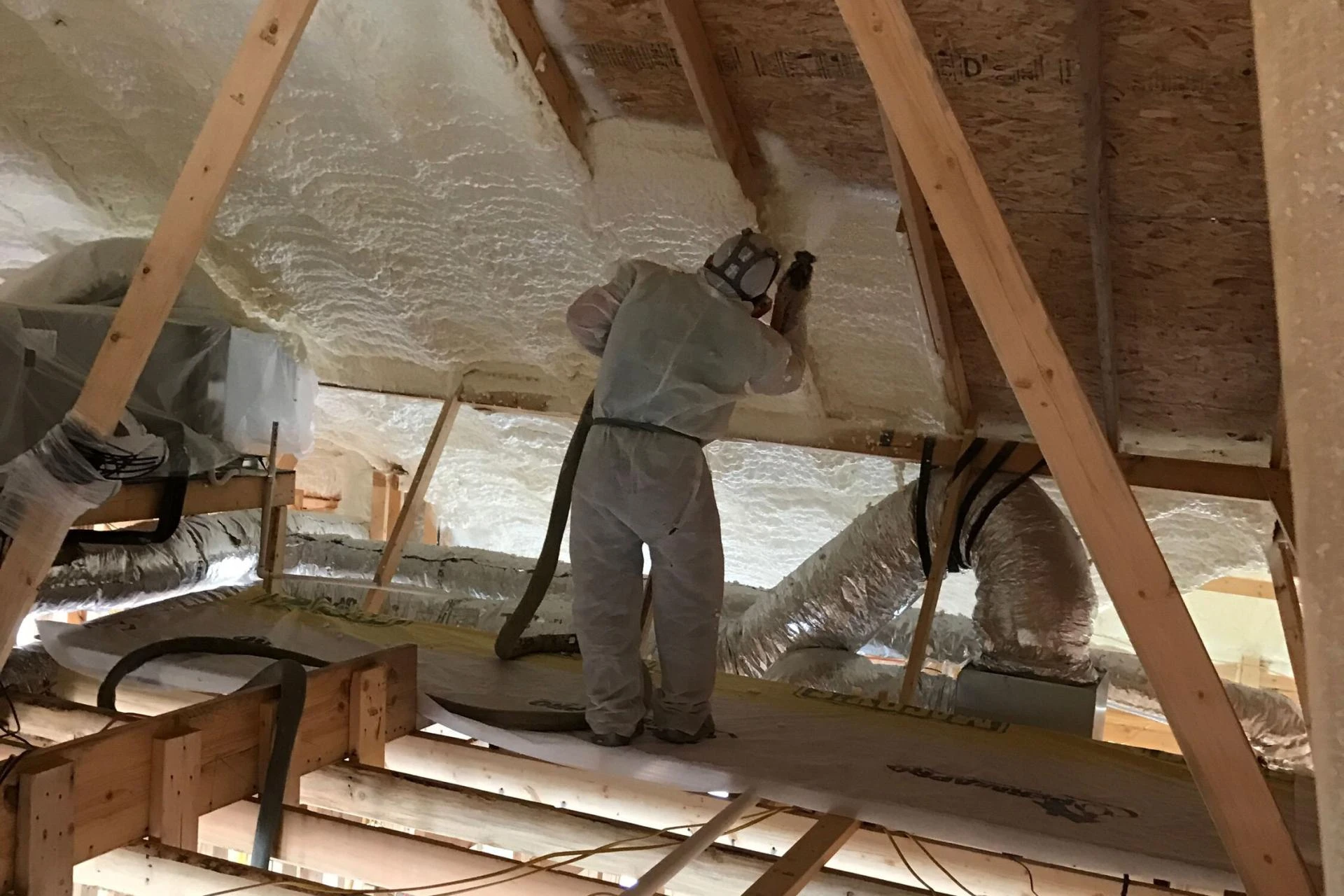
The combination of heat escaping from roofs and snow on roofs can form ice dams. These dams cause water to back up under shingles, leading to rot in the roof deck and framing. By keeping the roof deck temperature consistent, insulation prevents this cycle and preserves the wood structure.
- Eliminates Condensation: Keeps warm, moist interior air from hitting cold roof surfaces.
- Prevents Wood Rot: Keeps structural lumber dry and stable.
- Extends Roof Life: Reduces thermal shock to shingles and roofing materials.
Sustainability of Material Choices
Choosing the right insulation material affects the home's long-term sustainability profile. Modern spray foams are designed to last for the life of the building, whereas traditional materials often settle or degrade and require replacement every 15 to 20 years.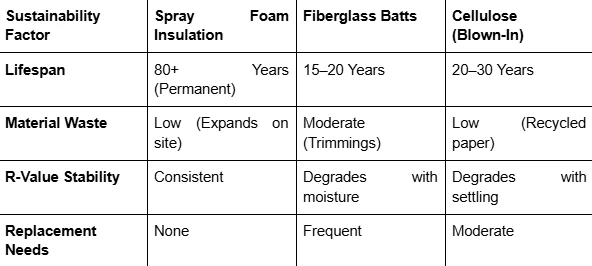
Improving Indoor Environmental Quality
A genuinely sustainable home environment supports the health of its occupants. The attic often serves as an entry point for dust, pollen, and other airborne particulates. Sealing this space prevents these outdoor pollutants from infiltrating the living area, reducing the need for electronic air purifiers and medical interventions for allergies.
Blocking Outdoor Pollutants
Air leaks in the attic allow unfiltered air to bypass the HVAC filtration system. By creating an airtight seal with spray foam, the building envelope forces all incoming air to pass through controlled ventilation points. This ensures that the air inside the home is cleaner and safer for residents.
Things to Consider Before Making a Decision
Property owners should evaluate the current state of their ventilation before sealing the attic. A "tight" house requires mechanical ventilation to ensure fresh air exchange. Ignoring this step can lead to stale air issues. Additionally, owners must consider the upfront carbon cost of the materials versus the long-term operational savings. While some high-performance materials have a higher manufacturing footprint, the energy they save over decades typically offsets this initial cost many times over.
Questions People Ask About Sustainable Insulation
Does spray foam insulation off-gas harmful chemicals?
Modern spray foams are formulated to be safe for occupants once fully cured, which typically takes 24 to 48 hours. After this curing period, the material is inert and does not release harmful volatile organic compounds (VOCs) into the home.
How does insulation help with noise pollution?
Insulation absorbs sound waves and seals gaps where noise can travel. Open-cell foam is particularly effective at dampening exterior noise from rain, traffic, and airplanes, creating a quieter, more peaceful indoor environment.
Can I just add more insulation on top of the old?
Adding new insulation over old, dirty, or compressed material is often ineffective. The old material may contain dust, mold spores, or rodent droppings, which can prevent the new insulation from adhering correctly to the substrate and achieving a proper air seal.
Is spray foam recyclable?
While cured polyurethane foam is not widely recyclable in municipal programs, its longevity means it rarely enters the waste stream. Unlike fiberglass, which is frequently removed and landfilled during renovations, spray foam remains in place for the life of the building.
Will better insulation increase my home's resale value?
Yes, homes with documented energy efficiency upgrades often command higher prices. Buyers are increasingly aware of the long-term savings associated with lower utility bills and the comfort of a well-insulated property.
Final Thoughts
Attic insulation stands as a cornerstone of sustainable housing. It offers a practical solution that reduces energy consumption, protects the physical structure from the elements, and improves indoor air quality. For residents in the Pacific Northwest, investing in a high-performance thermal boundary is a decisive step toward lowering their carbon footprint and securing the long-term value of their property.
Connecting with Efficiency Experts
Cascadia Spray Foam Insulation of Seattle assists property owners and the surrounding areas in achieving their sustainability goals. They provide professional assessments to determine the most effective insulation strategy to reduce energy waste and improve home comfort. Their team focuses on long-lasting solutions that align with modern building science.
Readers interested in evaluating their attic's performance can contact the company for detailed information.
Phone: (425) 386-3500 Email: [email protected]
Reviewer: Olivia Thompson has spent 10 years working in spray foam insulation, helping companies grow their visibility. She reviewed this article and provided valuable suggestions to better align the content with customers' needs and expectations, ensuring it resonates with the target audience.