



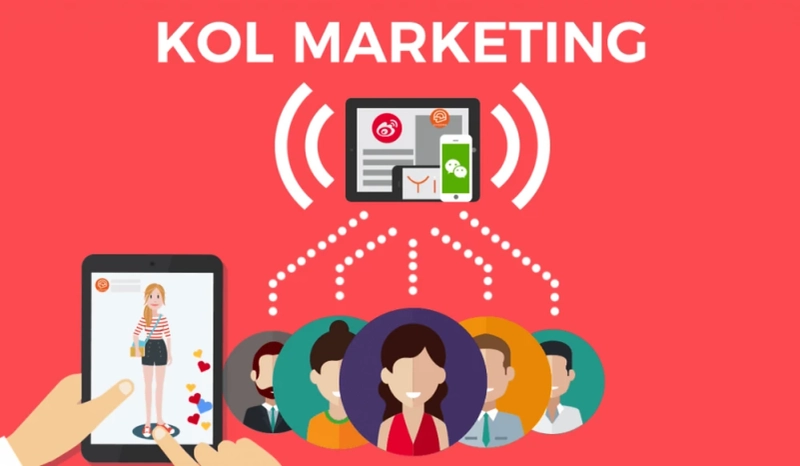

In 2026, KOL agencies are revolutionizing the way brands run influencer campaigns by building fully integrated multi-platform funnels that guide users from awareness to conversion with precision. Instead of single-platform campaigns, agencies now run orchestrated sequences across TikTok, Instagram, YouTube, X, Telegram, Discord, and niche Web3 communities, ensuring every stage of the customer journey is handled by creators best suited to that funnel role. This shift is driven by algorithmic changes, short-form dominance, high competition, and the rising need for measurable ROI. As brands diversify audience touchpoints, KOL agencies craft funnel-based strategies awareness hooks, mid-funnel education, conversion-driven content, and post-sale community nurturing turning creators into performance engines. The result is a predictable, trackable growth system where influencer-driven traffic converts at lower costs, drives long-term loyalty, and scales across geographies with personalized narratives.
1. Awareness: Crafting Platform-First Creative Hooks
Awareness in 2026 starts with platform-native hooks built specifically for fast-scrolling environments. Agencies guide influencers to design 2–5 second opening frames that immediately grab attention, using trending audio, transitions, emotional triggers, visual shock, or curiosity-driven lines. Instead of generic brand intros, creators build “pattern breaks” that get favored by TikTok, Instagram Reels, and YouTube Shorts. Every awareness hook is tested across multiple formats, with micro-variations for each platform’s unique algorithm. This ensures the brand’s first impression isn’t just seen but remembered, rewatched, and reinforced through recommendation loops.
2. Consideration: Using Follow-Up Content to Deepen Understanding
Once the hook works, KOL agencies deploy a second layer: consideration content. These include mini reviews, how-it-works videos, storytelling sequences, feature breakdowns, comparison reels, and FAQ-driven posts. This deeper content nurtures the audience, turning curiosity into trust. The viewer who saw a quick entertaining hook now receives educational content that answers their doubts and builds credibility. Agencies train creators to maintain consistency between formats short-form teasers link into longer YouTube explainers or X threads ensuring viewers see both fun and clarity before making decisions.
3. Intent: Placing High-Impact CTAs Across Every Platform
To push users from interest to intent, agencies set up multi-layer CTAs tailored to each platform’s behavior. For example, Instagram uses swipe-ups in Stories, pinned links in Reels comments, and carousel CTAs. TikTok leverages bio links, pinned videos, and creator storefronts. YouTube uses end screens, descriptions, and pinned comments to drive traffic. X uses threads, polls, and community replies. Each CTA is crafted to move the viewer from passive engagement to active exploration, eventually landing them into a product page, signup page, or community entry point.
4. Conversion: Shoppable Creators and Direct Commerce Integration
In 2026, creators have become mini-commerce engines. Shoppable features inside TikTok, Instagram, and YouTube allow users to buy without ever leaving the app. Agencies handpick creators who excel in live demos, storytelling, or persuasive selling. Livestream commerce is now common, where influencers answer questions, show real-time results, and drive instant purchases. Agencies design scripts, offer sequences, scarcity timers, and FAQ sheets to help influencers convert more efficiently. This seamless integration between content and checkout dramatically increases conversion rates across industries.
5. Retention: Turning Creators Into Long-Term Community Builders
KOL agencies no longer treat influencers as one-time promotion partners they turn them into community anchors. After purchases, influencers continue engaging users through educational posts, updates, Discord hangouts, Telegram channels, or feedback sessions. These consistent interactions increase loyalty and reduce churn. Retention-focused creators help brands build lasting relationships rather than transactional engagements, making customers feel like part of a tribe rather than a one-time sale. This retention stage also fuels referrals, testimonials, and organic brand evangelism.
6. Attribution: Tracking Multi-Channel Performance End-to-End
In 2026, attribution is more advanced and privacy-friendly. Agencies use unified dashboards that connect influencer content with user actions views, replays, clicks, signups, purchases, and retention. Even with strict privacy rules, agencies leverage pixel-less tracking, server-to-server data bridges, and first-party creator landing pages. This allows a clear understanding of which creator, which video, and which platform influenced a conversion. Accurate attribution improves budget allocation, scaling decisions, and content adjustments across funnel stages.
7. New Measurement Standards: Funnel-Based Metrics Over Vanity Metrics
KOL agencies in 2026 no longer rely on likes or impressions to judge performance. Instead, they track metrics tied to funnel progress: awareness quality (watch-time, replays), engagement depth (comments, saves), mid-funnel actions (landing page visits), conversion triggers (checkout starts), and long-term value (repeat purchases). These funnel metrics give brands clarity on creators who bring actual business impact, not just social buzz. By shifting from vanity metrics to strategic KPIs, agencies ensure ROI-driven influencer funnels with predictable scaling potential.
8. Data Privacy and Compliance in a Cookieless World
Privacy updates in 2026 require agencies to innovate measurement without violating user consent. Agencies rely on aggregated data, clean-room analytics, consent-based data collection via creator landing pages, and contextual targeting. Creators’ first-party data like community interactions or newsletter signups becomes crucial. KOL agencies focus heavily on compliance while still enabling actionable insights, balancing audience trust with brand performance.
9. Creator Segmentation: Assigning Roles Based on Funnel Strength
Creators are no longer classified only as micro or macro. Agencies categorize them based on funnel specialties: Reach Creators (awareness), Trust Creators (mid-funnel education), Conversion Creators (livestream and shoppable content), and Community Creators (retention and reactivation). This segmentation ensures each creator executes the part of the funnel where they excel instead of using a one-size-fits-all model. It’s a performance-first strategy that blends creativity with functional precision.
10. Content Repackaging: Maximising One Shoot Across Eight Formats
One content shoot now produces multiple assets short clips, long explainers, vertical formats, carousels, threads, FAQs, and community content. Agencies plan scripts so creators can film everything in one sitting but still deliver platform-optimized pieces. This maximizes efficiency, reduces cost, keeps messaging consistent, and ensures creators stay aligned with brand tone and funnel strategy.
11. Tech Stacks: Influencer CRMs, Workflow Automations, and AI Analytics
KOL agencies rely on advanced tech stacks to manage multi-platform funnels. Influencer CRMs store creator performance histories, audience insights, and posting schedules. Workflow automation tools manage briefs, approvals, deadlines, and cross-platform publishing. AI-driven analytics suggest optimal posting times, trending topics, and script improvements. These systems make campaigns faster, more predictable, and highly scalable.
12. Creative Playbooks: Structured Templates for Faster Execution
In 2026, agencies use creative frameworks hook, value, proof, and CTA across all platforms. While creators retain artistic freedom, playbooks ensure messaging remains clear, persuasive, and consistent across funnel stages. This eliminates guesswork, speeds up production, and keeps campaigns aligned with performance targets.
13. AI and Automation: Predicting Winners and Scaling Them Quickly
AI tools analyze thousands of videos daily to detect trends, predict virality, and recommend optimized scripts. Agencies use AI to decide which creator videos should receive paid boosts and which should be replicated or expanded into longer content. This minimizes waste and ensures high-performing content gets maximum distribution. Automation also handles reporting, caption optimization, and creative variations, giving agencies more time to focus on strategy.
14. Paid + Organic Fusion: Scaling Winning Influencer Content
The most successful funnels in 2026 combine organic influencer posts with paid amplification. Once an influencer video takes off organically, agencies turn it into an ad reaching new audiences, creating retargeting pools, and lowering CAC. This hybrid model turns influencer creativity into high-performing branded ads, significantly improving campaign scale and ROI.
15. Platform-Specific Funnel Tactics Built for 2026 Algorithms
Each platform has unique funnel roles. TikTok and YouTube Shorts excel at top-of-funnel awareness. Instagram dominates lifestyle storytelling and UGC validation. YouTube long-form excels at in-depth product education. X is ideal for thought leadership and soft conversions. Telegram and Discord handle retention and loyalty. KOL agencies strategically place creator content based on each platform’s native strengths, ensuring funnel coverage across multiple touchpoints.
16. Livestream Funnels: Instant Discovery-to-Conversion Engines
Livestream commerce surged in 2026, and agencies now script entire live sequences pre-live teasers, real-time demos, limited-time offers, and post-live follow-ups. Influencers answer questions live, show real-time product results, and create urgency. This generates extremely high conversions, especially in beauty, tech, gaming, fashion, and Web3 token sales. Livestream funnels compress the entire journey awareness, interest, intent, and conversion into one event.
17. KOL Selection: Data-Driven Matching and Audience Overlap Checks
Matching creators to brands is now algorithmic. Agencies analyze audience demographics, content style, sentiment patterns, purchase history correlations, and audience authenticity. Overlap mapping prevents brands from wasting budget on creators with the same audiences. This ensures broad yet targeted reach and improves multi-creator funnel scaling.
18. Contracting and Usage Rights for Multi-Platform Funnels
Contracts now include clauses for multi-platform publishing rights, paid-usage permissions, content repurposing, exclusivity windows, and performance bonuses. Agencies secure rights to reuse influencer videos for ads, landing pages, and email campaigns, enabling brands to maximize content value throughout the funnel.
19. Fraud Prevention: Protecting Funnel Integrity
Agencies use fraud-detection systems to monitor audience authenticity, engagement quality, and bot patterns. This protects brands from fake creators and ensures funnels aren’t built on inflated metrics. Manual vetting, sentiment analysis, and community quality checks further safeguard campaign performance.
20. Localization at Scale: Regional Creators for Global Funnels
Global brands rely on localized KOL funnels same core narrative, but adapted regionally through native creators. Agencies recruit local influencers who understand cultural nuances, slang, humor styles, and platform trends. This ensures authenticity and significantly boosts engagement and conversion rates in international markets.
21. B2B Funnel Adaptations: LinkedIn and X Thought Leaders
For B2B campaigns, agencies use thought leaders on LinkedIn and X who publish educational insights, lead magnets, webinar invitations, and case-study threads. This funnel is slower but high-value, generating qualified leads rather than vanity traffic. B2B KOL funnels prioritize trust, authority, and expert-backed demonstrations.
22. Pricing Models: Hybrid Fees for Predictable Performance
KOL agencies use hybrid pricing flat fees for deliverables, plus performance bonuses tied to engagement quality, conversion volume, or revenue. This aligns incentives and encourages creators to participate actively in funnel performance rather than treating campaigns as one-off posts.
Storytelling for Retention and Reactivation
Retention funnels rely on episodic storytelling: multi-part videos, challenge series, progress updates, and creator-led after-sales education. Reactivation campaigns use creators to remind past customers about new features, updates, and limited-time drops. This narrative-driven funnel keeps the audience emotionally connected to the brand.
Enterprise Trends: Creator-First Growth Models
Large enterprises in 2026 are shifting to social-first, creator-first marketing models. They treat creators not as optional additions but as foundational pillars of their marketing. Agencies create integrated playbooks, brand guidelines, and funnel templates that position creators at every customer touchpoint from awareness to support creating holistic, continuous growth loops.
Future Trends: AI Agents, Creator Commerce, and Predictive Funnels
Looking forward to 2026 and beyond, funnels will be shaped by AI-generated creator agents, hyper-personalized content feeds, decentralized creator marketplaces, and deeper integration of shoppable features inside short-form platforms. Predictive analytics will determine which creator should post what, when, and where for maximum performance. Creator-owned product lines and Web3-powered creator incentives will also reshape funnel economics.
Brand Checklist for Multi-Platform Funnel Success
Brands working with KOL agencies need a funnel blueprint, clear KPI structures, data-sharing protocols, usage rights agreements, creator segmentation strategies, amplification systems, and fraud-prevention measures. A well-structured checklist ensures agencies are aligned with business goals and can deliver sustainable ROI at scale.
How Agencies Iterate and Optimize Funnels Over Time
KOL agencies run continuous optimization cycles driven by performance dashboards. Winning creatives receive paid boosts, weaker ones are replaced, and creators who deliver results are scaled into larger roles. Funnel adjustments occur weekly tweaking hooks, CTA placement, offer positioning, creator lineup, or posting cadence to maximize results.
Ethics and Transparency in Influencer Funnels
With growing regulatory scrutiny, agencies enforce ethical rules around disclosure, ad transparency, and authentic representation. Creators must clearly label paid content, avoid misleading claims, and maintain honesty with audiences. Ethical funnel-building builds long-term credibility for both the creator and the brand.
Conclusion
In 2026, multi-platform KOL marketing funnels are no longer experimental they are the backbone of high-performance digital marketing. Agencies design funnels like engineered systems, orchestrating creators, content formats, AI tools, data insights, and commerce touchpoints to move audiences from awareness to loyalty. As influencers become essential growth channels, brands that embrace funnel-based KOL strategies will enjoy compounding advantages: lower customer acquisition costs, stronger community loyalty, and accelerated brand authority across the global digital landscape.