In the fast-evolving retail landscape, staying ahead means understanding customer behavior, optimizing operations, and enhancing in-store experiences—all in real time. Enter AI video analytics software, a cutting-edge technology that is reshaping how retail businesses operate in 2025.
From analyzing shopper movement to enhancing security and boosting sales, AI-powered video analytics is offering retailers powerful tools to thrive in a competitive environment. This blog explores how AI video analytics software in retail is unlocking new potential for operational efficiency, customer engagement, and data-driven decision-making.
What is AI Video Analytics Software in Retail?
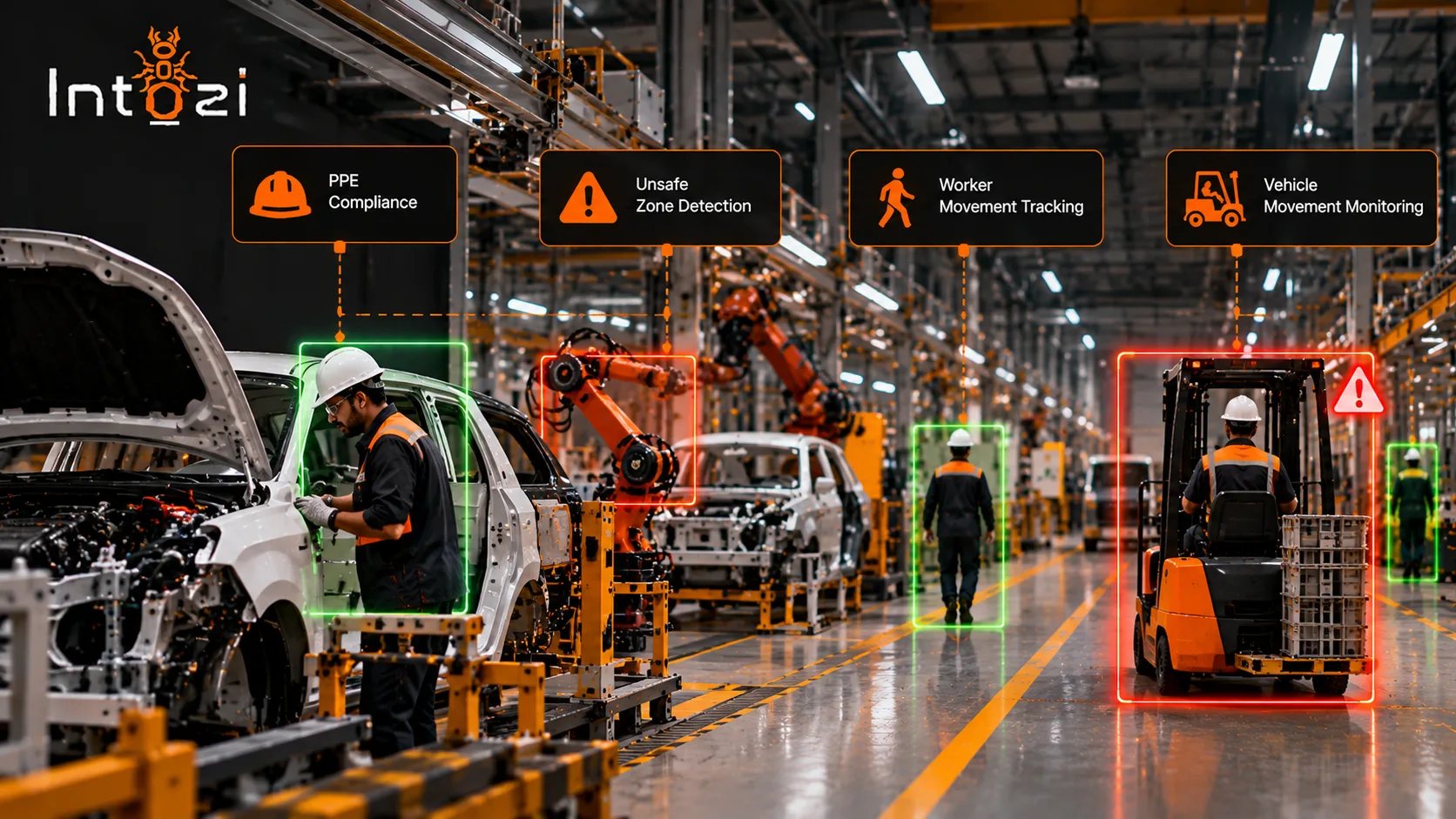
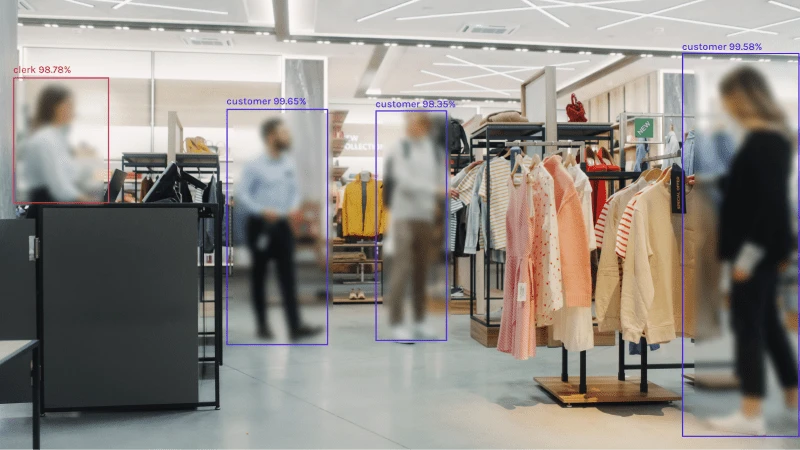
AI video analytics software uses artificial intelligence, machine learning, and computer vision algorithms to extract actionable insights from video footage. In a retail context, this technology interprets data from surveillance cameras to monitor customer behavior, identify foot traffic patterns, detect anomalies, and improve store performance.
Unlike traditional CCTV systems that simply record footage, AI video analytics can analyze activities in real time, triggering alerts, generating reports, and automating in-store processes.
Why Retail Needs AI Video Analytics in 2025
Today’s customers expect personalization, safety, and seamless experiences. At the same time, retailers are under pressure to reduce operational costs and optimize every square foot of their physical stores.
AI video analytics bridges this gap by enabling retailers to:
- Monitor and understand customer flow
- Detect suspicious or unsafe behavior
- Improve marketing and merchandising strategies
- Automate store performance tracking
- Enhance staff productivity and deployment
Top Benefits of AI Video Analytics Software in Retail
1. Customer Behavior Insights
AI systems can track how shoppers navigate a store, where they linger, and what products attract their attention. This data helps retailers optimize store layouts, product placements, and marketing campaigns.
For example, heatmaps generated by AI video analytics can reveal high-traffic zones, helping brands position best-selling products strategically.
2. Footfall Counting & Conversion Metrics
By counting the number of visitors entering and exiting the store, retailers can measure footfall trends and compare them with sales data to determine conversion rates. It also helps in understanding peak hours and planning staffing schedules accordingly.
3. Queue Management and Customer Service
Long queues can lead to lost sales and poor customer experiences. AI video analytics can monitor queue lengths in real time and send alerts to open additional counters when needed. This improves service speed and customer satisfaction.
4. Loss Prevention and Security
The software detects suspicious activity such as loitering, sudden movements, or potential shoplifting. Integrated with store alarms, it helps security teams act proactively and reduce shrinkage.
In 2025, many retail chains are replacing passive CCTV systems with intelligent AI-based surveillance to reduce theft and unauthorized access.
5. In-Store Marketing Effectiveness
AI can measure how many people stopped to view a digital signage display or product shelf. Retailers can test promotional campaigns and adjust visual merchandising strategies based on real-time engagement data.
For example, if a promotional video fails to grab attention, the content can be replaced instantly with more effective alternatives.
6. Staff Monitoring and Deployment
AI video analytics helps monitor staff activity to ensure they are meeting service standards and assigned tasks. It also helps managers identify underutilized or overcrowded areas and balance the workforce accordingly.
Practical Use Cases of AI Video Analytics in Retail
- Smart Store Layout Optimization
By studying customer flow, retailers can rearrange store sections to remove bottlenecks, improve navigation, and create a better overall shopping experience.
- Inventory Management Support
AI can identify when shelves are empty or poorly stocked. The system can notify staff in real time, ensuring that best-selling products are always available—reducing lost sales due to out-of-stock issues.
- Predictive Analysis for Seasonal Demand
By analyzing historical video data, AI can forecast seasonal or event-based shopper behavior, allowing retailers to plan promotions, stock levels, and campaigns more accurately.
- Real-Time Alerts for Unsafe Behavior
Whether it’s a customer slipping on a wet floor or unauthorized entry into restricted areas, AI video analytics can detect incidents and trigger alerts in real time, ensuring quick intervention.
Integrating AI Video Analytics with Digital Signage
Retailers are now combining AI video analytics with digital signage software to deliver hyper-targeted, dynamic content. Here’s how:
- If AI detects a group of teenagers in the store, the signage can switch to youth-oriented promotions.
- If a shopper lingers near a particular product, the screen nearby can display a demo or discount offer.
- Real-time data from video analytics ensures signage displays relevant and engaging content—improving interaction and driving sales.
This smart integration not only personalizes the in-store experience but also provides measurable insights into how marketing content performs.
AI Video Analytics in Action: Real-World Success Stories
- Walmart
Walmart uses AI-powered cameras to monitor checkout lines, track customer movements, and optimize store layouts. This has led to a significant reduction in wait times and improved customer satisfaction.
- Uniqlo
Uniqlo has implemented video analytics in several flagship stores to analyze footfall, test visual merchandising strategies, and monitor shopper engagement at display zones.
- Best Buy
By integrating video analytics with digital signage, Best Buy can deliver real-time promotions based on store traffic, product interest, and customer demographics—boosting impulse purchases.
Choosing the Right AI Video Analytics Solution
Before adopting AI video analytics software for your retail business, consider:
- Scalability: Can it support multiple locations and camera feeds?
- Integration: Does it work with your POS, signage, and CRM systems?
- Real-Time Capabilities: Can it send alerts and analyze live footage?
- Data Privacy Compliance: Is it aligned with GDPR and other data regulations?
- Ease of Use: Can your team operate it without extensive training?
Leading providers like Nextbrain offer customizable, industry-specific video analytics platforms that meet all these criteria, enabling smart retail transformation.
The Future of Retail with AI Video Analytics
AI video analytics is no longer a futuristic concept, it’s a retail necessity in 2025. With growing emphasis on customer experience, real-time responsiveness, and operational efficiency, this technology will continue to play a central role in redefining physical retail.
From intelligent staffing and in-store engagement to predictive marketing and safety, AI video analytics unlocks a goldmine of opportunities for forward-thinking retailers.
Conclusion
AI Video Analytics Software in Retail industry is transforming the sector from a reactive, manual environment into a proactive, data-driven ecosystem. By providing actionable insights into shopper behavior, enhancing store security, and streamlining operational efficiency, it equips retailers with a significant competitive edge.
If you’re a retail brand aiming to thrive in 2025 and beyond, integrating AI Video Analytics Software in the Retail industry into your strategic roadmap is no longer optional, it’s essential for long-term success.
Looking to implement AI video analytics in your retail store? Connect with Nextbrain for end-to-end video analytics solutions tailored to your business. Boost sales, enhance safety, and future-proof your retail operations today.