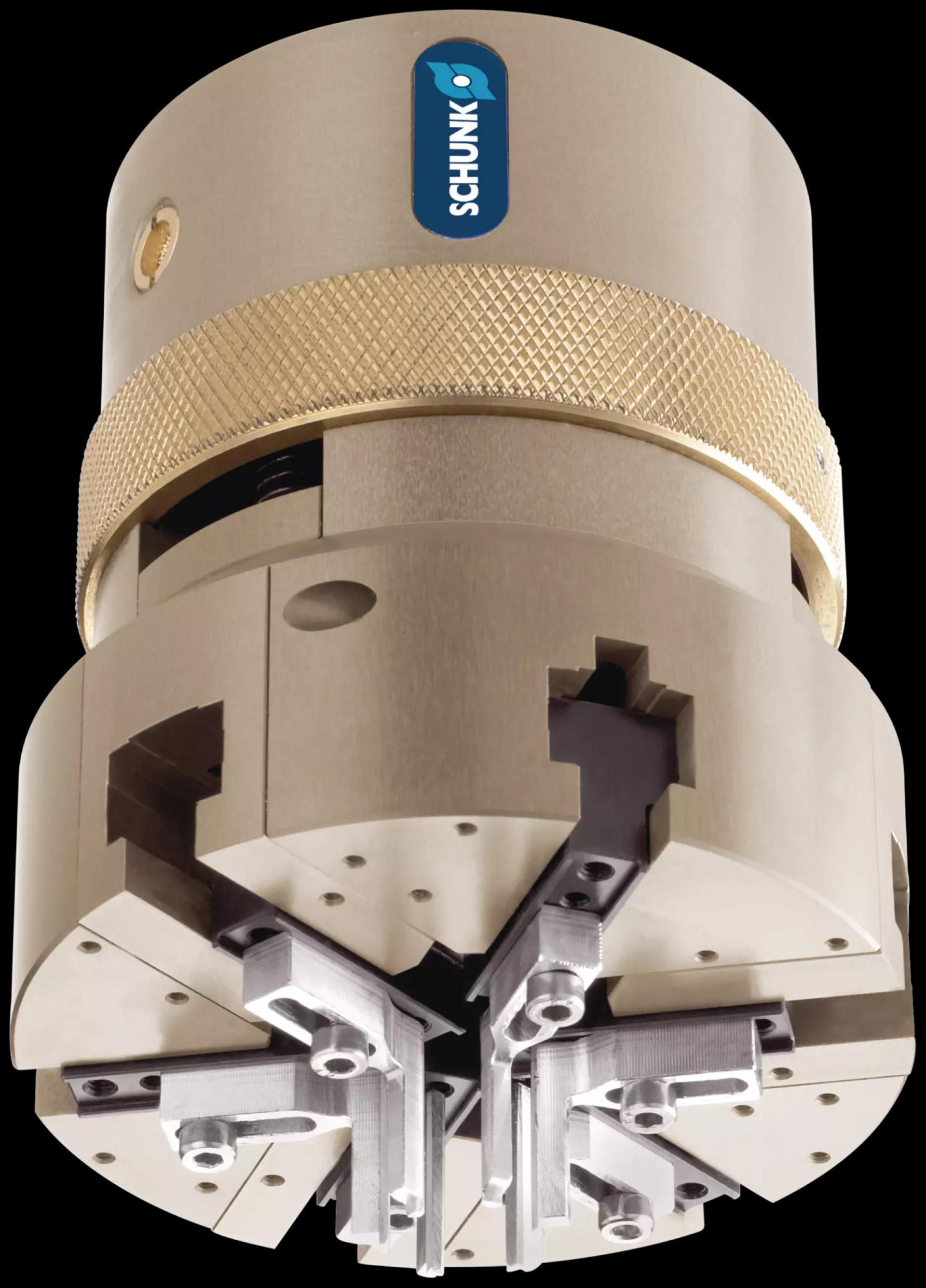
In modern industrial automation, precision, speed, and reliability are crucial for achieving high productivity. Automation systems rely heavily on motion-control components to perform repetitive tasks with accuracy and stability. One such essential component is the semi rotary actuator, a device that provides controlled angular motion for a wide range of automated processes. Whether in packaging, robotics, assembly, or material handling, this type of actuator plays a vital role in improving operational efficiency. By understanding how semi rotary actuators work and how they compare with other rotary actuators, industries can make informed decisions and build smarter, more efficient automation setups.
What Is a Semi Rotary Actuator?
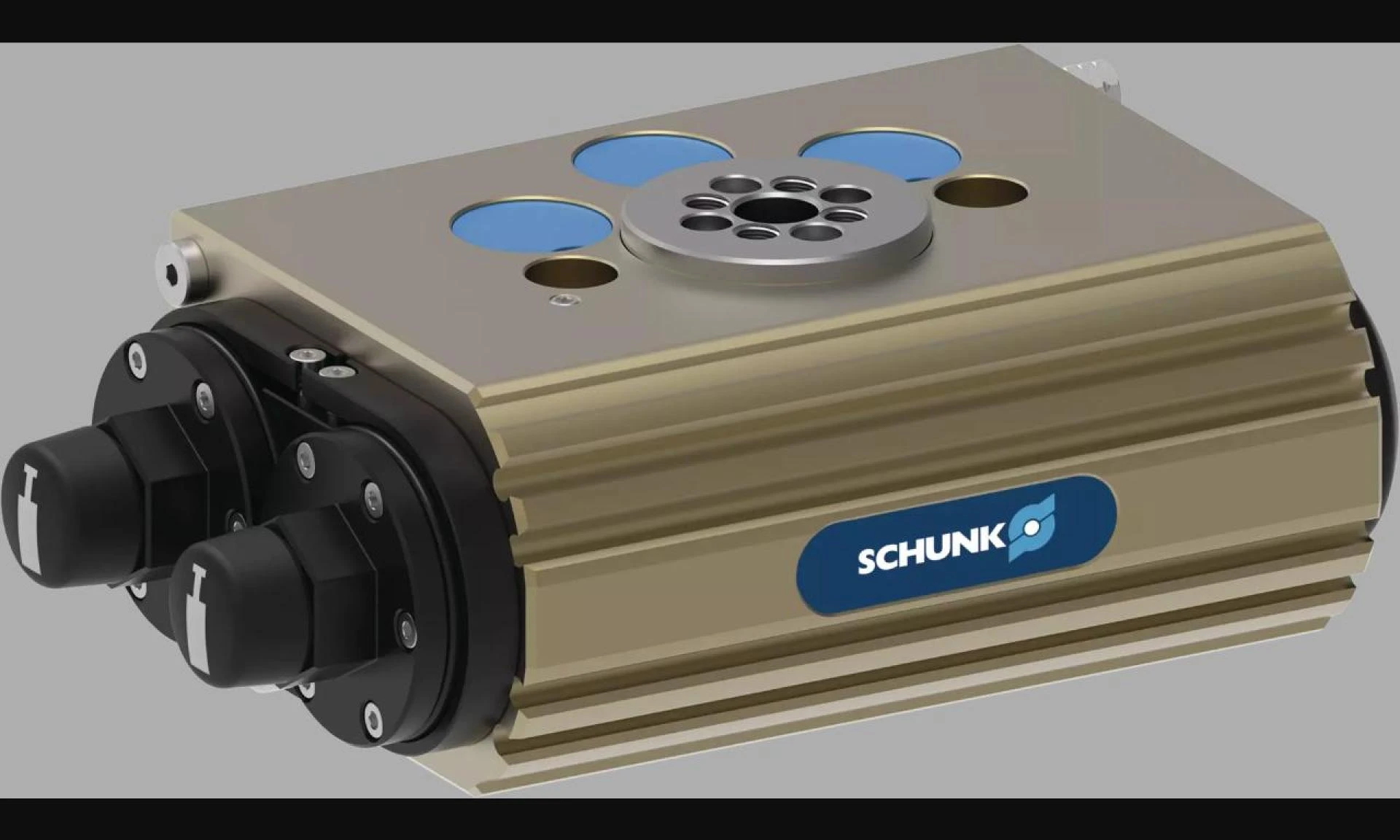
A semi rotary actuator is a compact mechanical device designed to convert linear motion—usually generated by pneumatic pressure—into limited angular rotation. Unlike full-rotation motors or rotary tables, these actuators provide controlled rotational movement within a specific angle range, typically between 0° and 180°. This makes them ideal for applications that require repetitive partial rotations, such as clamping, indexing, flipping, and positioning.
They are widely used in automated assembly lines, robotics, packaging systems, and industrial machinery where precise angular positioning is essential.
Read More:- A Complete Guide to Pneumatic Clamping for Modern Production Lines
How a Semi Rotary Actuator Works
Semi rotary actuators usually operate using pneumatic or hydraulic pressure. A piston moves linearly inside a cylinder, and this motion is transferred to a shaft via gears, cams, or vanes, producing rotational output. The movement is smooth, controllable, and repeatable, ensuring consistent performance in high-speed automated operations.
Key features often include:
- Adjustable rotation angles
- High torque output
- Compact and lightweight design
- Durable construction for industrial use
- Compatibility with sensors for greater control
These features allow semi rotary actuators to achieve the perfect balance between precision and power in automation setups.
Benefits of Using a Semi Rotary Actuator in Automated Processes
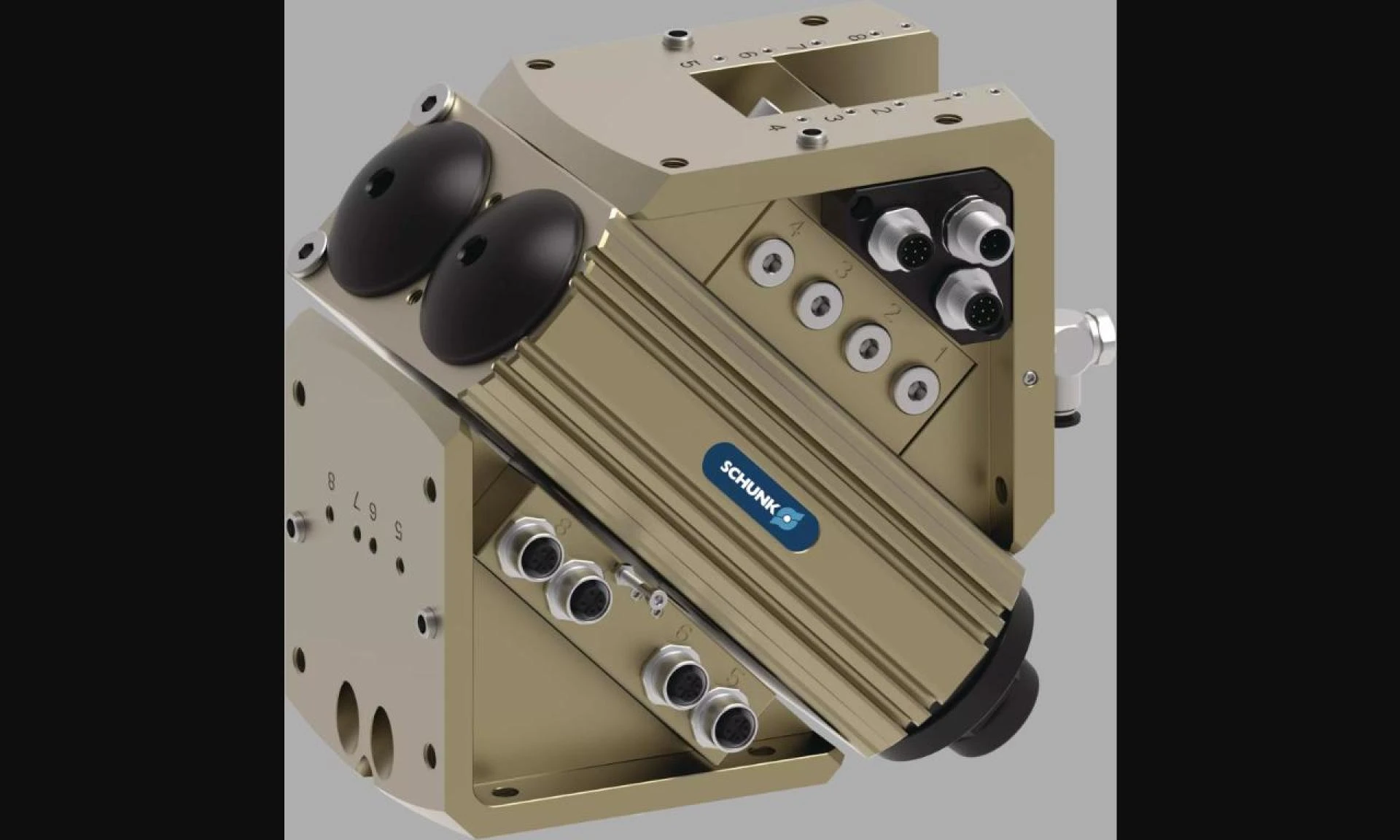
1. High Precision and Repeatability
One of the most significant advantages of a semi rotary actuator is its ability to deliver precise and repeatable angular motion. This ensures accurate part positioning, which is vital for quality control in automated operations. Industries such as electronics manufacturing, automotive assembly, and packaging benefit greatly from this accuracy.
2. Compact Design for Space-Saving Automation
Space constraints are common on modern production floors. Semi rotary actuators offer high power in a compact form, making them ideal for integration into tight machine assemblies or compact robotic arms. Their simple mounting options also make installation quick and flexible.
3. Energy Efficient Operation
Compared to electric motors or hydraulic systems, pneumatic semi rotary actuators consume less energy and require minimal maintenance. Their efficient operation leads to lower overall operational costs, especially in large-scale facilities where multiple actuators are used.
4. High Torque Output with Controlled Motion
Despite their compact size, semi rotary actuators deliver high torque, enabling them to handle tasks such as clamping, lifting, and rotating heavier objects. The controlled motion helps prevent shocks, vibrations, and wear on connected components.
5. Fast Cycle Times for High Productivity
Automation thrives on speed, and semi rotary actuators excel in fast, repetitive cycles. Their rapid actuation reduces idle time between operations, significantly boosting overall productivity. Industries that rely on quick turnaround, such as packaging and bottling plants, see immediate benefits.
6. Low Maintenance and High Durability
Semi rotary actuators are built for harsh industrial environments. Their rugged design and fewer moving parts mean reduced downtime and lower maintenance costs. With proper lubrication and periodic inspections, they offer a long service life.
7. Easy Integration with Control Systems
Modern automation systems require real-time control and monitoring. Semi rotary actuators can be equipped with sensors that detect position, speed, and torque. This enables seamless integration with PLCs, robotic controllers, and Industry 4.0 platforms.
Applications of Semi Rotary Actuators in Automation
Semi rotary actuators are used across numerous industries due to their versatility and reliability. Some common applications include:
- Clamping and unclamping mechanisms in assembly lines
- Indexing components in CNC machines
- Opening and closing flaps in packaging machines
- Rotating grippers or tools in robotic arms
- Sorting and diverting systems in material-handling equipment
- Pick-and-place operations that require angular positioning
These applications show how crucial controlled angular movement is in maintaining efficient workflows.
Comparing Semi Rotary Actuators with Other Rotary Actuators
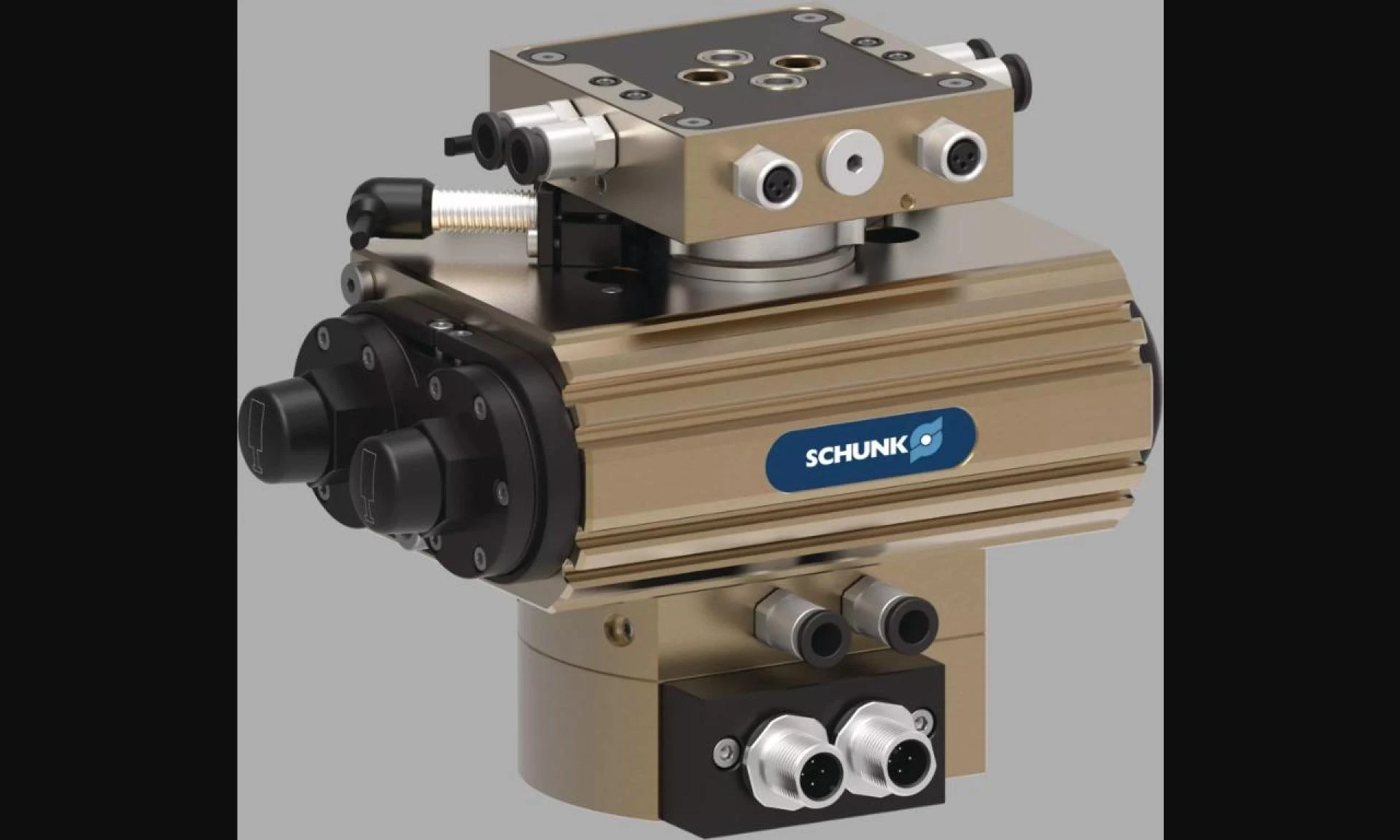
While rotary actuators come in various types—pneumatic, electric, hydraulic, and vane-style—the semi rotary version offers a unique blend of features that make it ideal for limited-angle rotation tasks.
Key Differences:
- Semi Rotary Actuator:
- Provides limited rotational movement.
- Compact and easy to install.
- Ideal for repetitive angular motions like flipping, indexing, or positioning.
- Lower cost and maintenance due to a simple design.
- Other Rotary Actuators:
- Can offer full 360° rotation or continuous motion.
- Suitable for applications like servo-driven conveyors or robotic joint motors.
- Often more complex and expensive.
In applications where full rotation is unnecessary, the semi rotary actuator is a more efficient and cost-effective choice.
How Semi Rotary Actuators Improve Overall Efficiency
The role of semi rotary actuators in enhancing automated processes can be seen in several ways:
- Reduced cycle time: Their speed and responsiveness ensure faster operation flow.
- Improved accuracy: Consistent rotation improves the quality of assembly and machining.
- Lower energy consumption: Efficient use of pneumatic power reduces operational costs.
- Minimal downtime: Their robust build decreases maintenance-related interruptions.
- Increased machine lifespan: Smooth and controlled motion protects connected components.
Collectively, these advantages contribute to streamlined operations and greater output efficiency.
Conclusion
The semi rotary actuator is a powerful and reliable motion-control component that plays a vital role in enhancing efficiency across automated processes. Its precision, durability, compact design, and energy-saving operation make it indispensable for modern industrial applications. When paired or compared with other rotary actuators, it stands out as the ideal solution for limited-angle rotational tasks, offering unmatched value and performance. For businesses looking to optimize their automation systems with high-quality and long-lasting actuator solutions, companies like Schunk India continue to lead the industry by providing innovative and reliable motion-control technologies tailored to the demands of modern automation.