



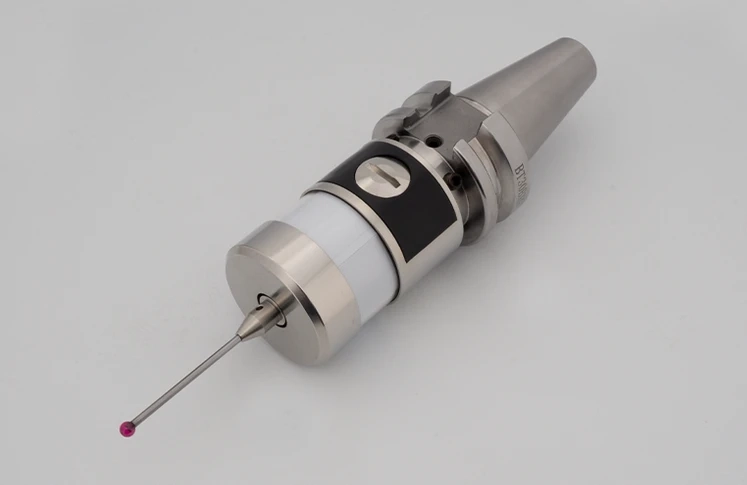
In modern CNC machining, precision is no longer a competitive advantage—it’s a necessity. Industries like aerospace, automotive, medical, and electronics demand ultra-tight tolerances and high-quality finishes as standard. However, even the most advanced machine tools cannot reach their full potential without reliable part setup, inspection, and feedback capability. That's where the machine tool probe comes into play.
A machine tool probe is an essential component of today’s smart manufacturing environments. It enables a CNC machine to automatically detect part positions, measure features, check tools, and validate finished components, all without manual intervention. This seemingly small device, when properly integrated, can radically improve both accuracy and efficiency on the shop floor.

At SilverCNC, we specialize in motion control and precision measurement systems designed for next-generation machining. Our machine tool probes are built to withstand rigorous shop environments while delivering micron-level repeatability and seamless control integration. Whether you're running prototyping, batch production, or full-scale automation, the right probe system can unlock new levels of performance.
What Is a Machine Tool Probe?
A machine tool probe is a precision sensor used inside CNC machines to perform contact-based measurement and inspection tasks. Unlike external measurement tools (like calipers or CMMs), the probe sits in the spindle or tool holder, allowing it to interact with the workpiece directly within the machine envelope.
Main Roles of a Machine Tool Probe:
- Workpiece Setup: Automatically find edges, corners, surface centers, and defined geometry for accurate positioning.
- Tool Measurement and Monitoring: Check tool length, diameter, and wear during machining.
- In-Process Inspection: Measure part features mid-process to drive compensation or detect deviations in real time.
- Final Validation: Perform quality control before part removal, reducing dependency on offline inspections.
Types of Machine Tool Probes
Understanding the various probe types helps determine which setup fits your application best.
1.Workpiece Probes
Mounted in the spindle, these probes detect part edges, faces, holes, bosses, and concentric features. Common uses:
- Automatic part alignment
- Finding datum points
- Zero offset generation
2.Tool Probes
These are either contact or non-contact setups used to measure tool geometry.
- Tool breakage detection
- Real-time length wear monitoring
- Diameter compensation
3.Radio/Infrared Probes
These wireless versions are ideal for machines with long working envelopes or multi-axis motion, where traditional wired systems are restricted.
SilverCNC offers both contact and non-contact machine tool probe systems, with flexible configurations for vertical, horizontal, and 5-axis machines.
How Machine Tool Probes Boost CNC Accuracy
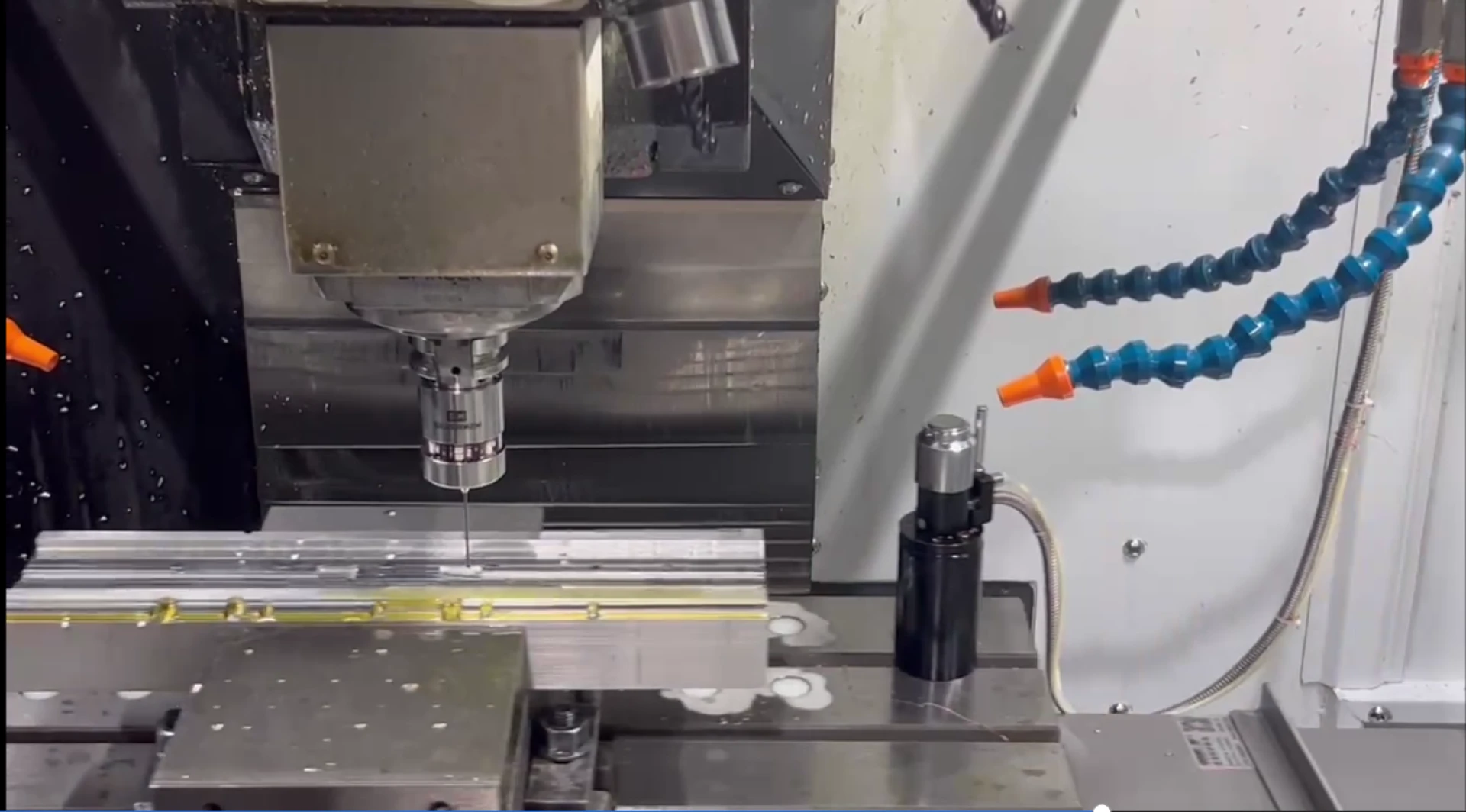
-Eliminate Setup Errors
Manual setups often result in inaccuracies due to misalignment, parallax errors, or inconsistent measurements. A machine tool probe automates part calibration, calculating exact offsets and centerlines via probing macros.
-Real-Time Compensation
In-process probing identifies material warping, tool wear, or thermal distortion. Your CNC can then adjust toolpaths automatically, ensuring every finished part stays within spec.
-Tighter Tolerances
With proper calibration and repeatable probing, tolerances as low as ±0.002 mm are achievable depending on machine capability—making probes essential for tight-tolerance industries.
Driving Efficiency with Probing Systems
-Reduced Manual Labor
Setup and inspection tasks that once took 15–30 minutes can be completed in 1–2 minutes with automated probe cycles.
-Faster First-Part Approvals
Automated in-machine inspection brings measurements into the flow—meaning less downtime and faster green lights for production runs.
-Unattended Machining
Combine machine tool probes with tool setters and real-time feedback loops, and your CNC can self-correct. This enables "lights-out" production, especially in mold-making and volume parts.
Industries That Benefit from Machine Tool Probes
Virtually every CNC-enabled sector can benefit, including:
Industry Application
Aerospace: Aircraft brackets, turbine blades, structural ribs
Medical Devices: Orthopedic implants, dental tooling
Automotive: Cylinder heads, engine blocks, gear housings
Electronics: Precision housings, heat management components
Tool & Die: Cavity and core finishing on complex molds
Job Shops: Mixed batch production and quick changeovers
Also Read: How a Touch Probe Can Revolutionize Your CNC Machining Accuracy!
Key Features to Look for in a Machine Tool Probe
To choose the right machine tool probe, evaluate:
- Repeatability: Aim for ±1 µm or better for high-precision tasks
- Transmission Range: Radio or infrared depending on size and complexity of your setup
- Stylus Material: Ruby-tipped stylus is standard for longevity and low wear
- Durability: IP-rated housings to resist chip impact, vibration, and coolant exposure
- Software Support: Compatibility with major CNC controls and probing macros (Fanuc, Siemens, Haas, etc.)
SilverCNC probes come with built-in diagnostics, flexible mounting options, and fast-acting trigger speeds.

Probe Integration Tips for CNC Machines
Here’s how to ensure success when installing your new machine tool probe system.
Correct macro setup: Use pre-written manufacturer macros for cycles like G65 or build custom ones
Tool changer compatibility: Choose probes that work with automatic tool changers where possible
Location and mounting: Orient receivers to avoid interference and ensure strong signal integrity
Input/output mapping: Link probes to unused M codes or I/O ports for automation signals
Calibration: Use a certified calibration sphere to set up the probe before measurement
Maintenance & Calibration
To maintain peak performance, follow these best practices:
- Clean stylus regularly to prevent debris interference
- Check battery life on wireless probes; replace when needed
- Run calibration cycles weekly or after tool changes
- Inspect bearings or trigger mechanisms for wear annually
- Use traceable calibration spheres when performing accuracy checks
Real World Example: SilverCNC in Action
- Customer: Contract Manufacturer for Aerospace
- Problem: Inconsistent first-part yield due to manual setups
- Solution: Implemented SilverCNC machine tool probe with radio transmission
Result:
- Decreased setup time from 25 to 7 minutes
- Reduced scrap by 32%
- Achieved 0.002 mm repeatability across 150+ parts
- Increased average machine utilization by 18%
Get Accuracy and Efficiency Working Together
In today’s precision-driven manufacturing environment, adding a machine tool probe to your CNC arsenal isn’t an option—it’s a smart investment. From setup automation to in-process inspection, these powerful tools bring micrometer-level consistency and real-time data-driven correction to your operation.
Frequently Asked Questions (FAQ)
Q1: Can I retrofit a machine tool probe to any CNC machine?
A: Yes, as long as the CNC controller can process probe signals and execute probing macros. SilverCNC probes work with most popular CNC brands.
Q2: What’s better—wired or wireless probes?
A: Wireless (radio or infrared) is preferable for machines with rotary tables, 5-axis setups, or space-heavy work zones. Wired is ideal for compact mills or budget-conscious environments.
Q3: What’s the typical accuracy of SilverCNC probes?
A: Our probes are designed with repeatability up to ±1 µm and tip deflection compensation built in.
Q4: Can I use machine tool probes for in-process measurement?
A: Absolutely. Many customers use them not just for setup but also for in-cycle validation and auto-correction.
Q5: How long does setup take?
A: Initial installation and calibration usually take 1–2 hours. After that, probe cycles take seconds, saving hours of labor in the long run.