


In modern manufacturing and heavy industries, many processes require extreme heat delivered with precision, safety, and efficiency. From metal heat treatment and forging to ceramics, glass, and advanced material processing, a High Temperature Heating System is the backbone that enables these operations.
What is a High Temperature Heating System?
A High Temperature Heating System is an engineered thermal solution designed to generate, control, and maintain temperatures typically ranging from 800°C to above 1,600°C, depending on the application. These systems are used where standard heating equipment cannot withstand extreme heat or deliver uniform thermal control.
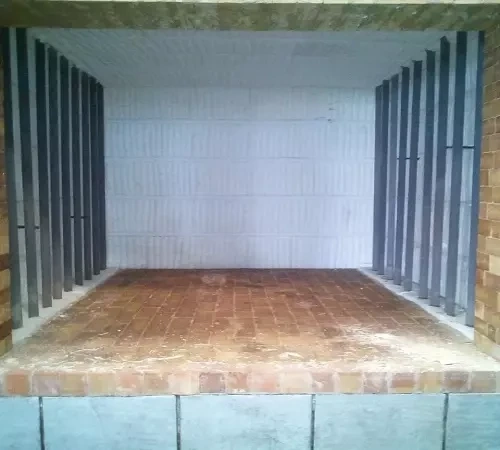
High temperature heating systems may be standalone units or integrated into furnaces, kilns, ovens, and reactors. They are built using specialized materials, insulation, and control systems capable of enduring prolonged exposure to intense heat while maintaining accuracy and reliability.
Importance of High Temperature Heating Systems
High temperature heating is critical in processes where material properties depend directly on thermal exposure. Even minor temperature variations can lead to defects, reduced strength, or inconsistent results.
High temperature heating systems are essential because they:
- Enable precise control of extreme temperatures
- Ensure uniform heat distribution
- Improve material properties and product quality
- Support demanding industrial and research applications
- Enhance process repeatability and reliability
Working Principle of a High Temperature Heating System
The operation of a high temperature heating system involves controlled heat generation and distribution:
- Heat Generation:
- Heat is produced using electric heating elements, gas burners, or induction systems designed for high-temperature operation.
- Heat Containment:
- Specialized refractory linings and insulation materials retain heat and protect the system structure.
- Temperature Control:
- Advanced sensors and control systems monitor and regulate temperature with high accuracy.
- Heat Distribution:
- Optimized airflow or radiant heating ensures uniform temperature throughout the heating zone.
- Safety Management:
- Integrated safety systems prevent overheating, equipment damage, and operational hazards.
Types of High Temperature Heating Systems
High temperature heating systems are available in various configurations to suit different industrial needs:
Electric High Temperature Heating Systems
Use resistance or silicon carbide heating elements for precise control and clean operation.
Gas-Fired High Temperature Heating Systems
Employ natural gas, LPG, or other fuels for cost-effective high-temperature heating.
Induction Heating Systems
Provide rapid and localized heating using electromagnetic induction.
Radiant Heating Systems
Use radiant heat transfer for uniform and efficient thermal processing.
Hybrid Heating Systems
Combine electric and gas heating for flexibility and efficiency.
Design and Construction Features
High temperature heating systems are engineered with robust and specialized components:
- High-grade refractory materials and insulation
- Heat-resistant alloys and structural components
- Precision temperature sensors and controllers
- Efficient heat recovery and energy management
- Durable construction for continuous operation
These features ensure long service life and reliable performance under extreme conditions.
Applications of High Temperature Heating Systems
High temperature heating systems are used across a wide range of industries:
- Metal Processing: Heat treatment, forging, melting, and sintering
- Ceramics & Glass: Firing, vitrification, and annealing
- Aerospace: Processing of high-performance alloys
- Chemical & Process Industries: Reactors and thermal processing
- Research & Laboratories: Advanced material testing and development
Advantages of High Temperature Heating Systems
- Precise and stable temperature control
- Uniform heating and consistent results
- Improved product quality and process efficiency
- Energy-efficient operation with optimized insulation
- High reliability and operational safety
Automation and Smart Control
Modern high temperature heating systems incorporate advanced automation features. PLC-based control systems, real-time monitoring, data logging, and remote diagnostics improve process consistency and support Industry 4.0 initiatives. Automated control minimizes human error and enhances safety in high-temperature environments.
Energy Efficiency and Safety
Energy efficiency is a critical consideration in high temperature heating systems. Advanced insulation, efficient heating elements, and waste heat recovery systems help reduce energy consumption. Safety features such as over-temperature protection, emergency shutdowns, alarms, and interlocks ensure safe operation even in extreme conditions.
Conclusion
A High Temperature Heating System is a vital component in industries that demand precision, reliability, and performance under extreme thermal conditions. By delivering controlled and uniform high-temperature heating, these systems enable advanced manufacturing processes, improve product quality, and ensure operational efficiency. https://www.jrfurnace.net/high-temperature-furnace/