


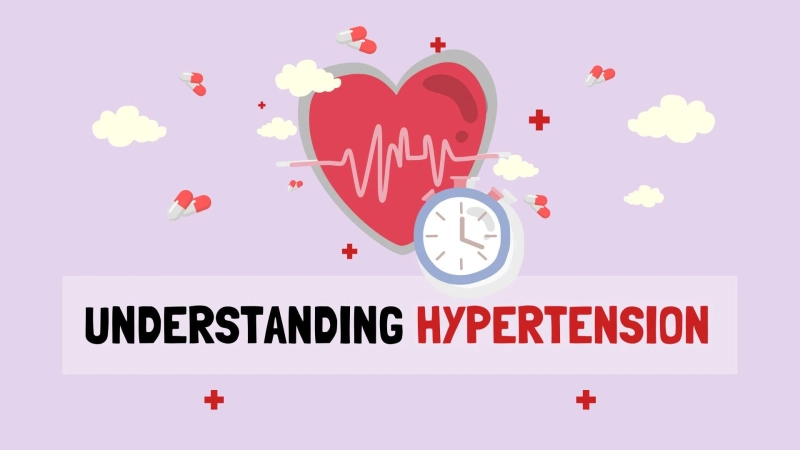
High blood pressure, also known as hypertension, is one of the most common chronic health conditions affecting people worldwide. Often called the "silent killer," it can quietly damage the heart, blood vessels, kidneys, and brain over time without noticeable symptoms. Left untreated, high blood pressure significantly raises the risk of heart attacks, strokes, and other life-threatening complications.
Fortunately, lifestyle and dietary changes can play a powerful role in managing high blood pressure, sometimes even reducing the need for medication. Whether you've been diagnosed with hypertension or are at risk, understanding how your everyday choices affect your blood pressure is key to taking control of your health.
What Is High Blood Pressure?
High blood pressure occurs when the force of blood against the walls of your arteries is consistently too high. It's measured in millimeters of mercury (mmHg) and presented as two numbers: systolic (when the heart beats) over diastolic (when the heart rests). A normal reading is generally considered to be below 120/80 mmHg.
Hypertension is typically diagnosed when readings consistently exceed 130/80 mmHg. It can be classified into:
- Primary (essential) hypertension: The most common type, with no identifiable cause but linked to aging, genetics, and lifestyle.
- Secondary hypertension: Caused by underlying health conditions such as kidney disease or hormonal disorders.
The Role of Diet in Blood Pressure Management
Diet is one of the most influential factors in maintaining healthy blood pressure levels. Certain foods can help lower blood pressure naturally, while others may raise it. Making thoughtful food choices can lead to meaningful improvements.
Reduce Sodium Intake
Excess sodium causes the body to retain water, increasing blood volume and pressure. The World Health Organization recommends consuming less than 2,000 mg of sodium per day—roughly equivalent to 5 grams of salt.
Tips:
- Choose fresh, unprocessed foods whenever possible.
- Read food labels and opt for "low sodium" or "no added salt" options.
- Limit salty snacks, processed meats, canned soups, and fast food.
Embrace the DASH Diet
The Dietary Approaches to Stop Hypertension (DASH) diet is specifically designed to lower blood pressure. It emphasizes:
- Fruits and vegetables: Rich in potassium, magnesium, and fiber
- Whole grains: Brown rice, oats, and whole wheat bread
- Lean proteins: Fish, poultry, legumes, and nuts
- Low-fat dairy: Yogurt, milk, and cheese
This balanced approach has been shown to significantly lower both systolic and diastolic pressure in just a few weeks.
Eat More Potassium-Rich Foods
Potassium helps counteract the effects of sodium and relaxes blood vessel walls. Good sources include bananas, sweet potatoes, spinach, beans, and avocados.
Limit Added Sugars and Refined Carbs
Diets high in sugar and refined carbohydrates can contribute to weight gain and insulin resistance—both of which are risk factors for hypertension. Replacing sugary beverages and snacks with water, herbal teas, or whole foods can support heart health.
For a list of foods proven to help manage blood pressure effectively, check out this helpful resource on high blood pressure, which details ten foods that naturally lower blood pressure.
Lifestyle Changes to Help Lower Blood Pressure
While diet is essential, it works best when combined with healthy lifestyle habits. These changes can be powerful tools in blood pressure management and overall well-being.
Maintain a Healthy Weight
Excess body weight forces the heart to work harder to pump blood, raising pressure on the arteries. Losing even a small amount of weight—5 to 10% of your body weight—can lead to measurable improvements in blood pressure.
Get Regular Physical Activity
Exercise strengthens the heart and improves circulation. Aim for at least 150 minutes of moderate-intensity exercise per week, such as:
- Brisk walking
- Swimming
- Cycling
- Dancing
- Resistance training twice a week
Manage Stress
Chronic stress can lead to temporary spikes in blood pressure and long-term cardiovascular strain. Managing stress through mindfulness, deep breathing, yoga, or hobbies can help stabilize both mental health and physical health.
Limit Alcohol and Quit Smoking
Alcohol in moderation may have a neutral effect, but excessive drinking raises blood pressure. Men should limit themselves to two drinks per day, and women to one. Smoking, on the other hand, should be completely avoided, as it narrows blood vessels and raises heart rate and blood pressure immediately after each cigarette.
Improve Sleep Hygiene
Poor sleep—either too little or interrupted—can elevate blood pressure. Aim for 7 to 9 hours of quality sleep per night, and consult a healthcare provider if you experience insomnia or sleep apnea symptoms.
Conclusion
High blood pressure is a manageable condition, but it requires daily commitment and awareness. Through a combination of smart dietary choices and lifestyle changes—many of which are simple, actionable, and cost-effective—you can significantly lower your risk of complications and lead a healthier life.
The journey to managing blood pressure begins with understanding how your body responds to what you eat, how you move, and how you handle stress. Small changes, sustained over time, can yield powerful results.
FAQs
What are the symptoms of high blood pressure?
High blood pressure is often asymptomatic, which is why it's called the "silent killer." However, in some cases, it may cause headaches, dizziness, blurred vision, or chest pain. Regular monitoring is essential.
How often should I check my blood pressure?
If you have been diagnosed with hypertension or are at risk, it’s advisable to check your blood pressure regularly—daily at home or at least weekly, depending on your doctor’s advice.
Can high blood pressure be cured?
While it may not be cured entirely, especially if it’s genetically or age-related, high blood pressure can be controlled effectively through lifestyle changes, diet, and medication when necessary.
Is medication always required to treat high blood pressure?
Not always. In mild cases or early-stage hypertension, lifestyle and dietary changes alone may be sufficient. However, some individuals may require medication to reach and maintain healthy levels.
Can salt substitutes help reduce sodium intake?
Yes, some salt substitutes contain potassium chloride instead of sodium chloride. However, these should be used cautiously, especially by people with kidney conditions. Always consult a healthcare provider before making the switch.