
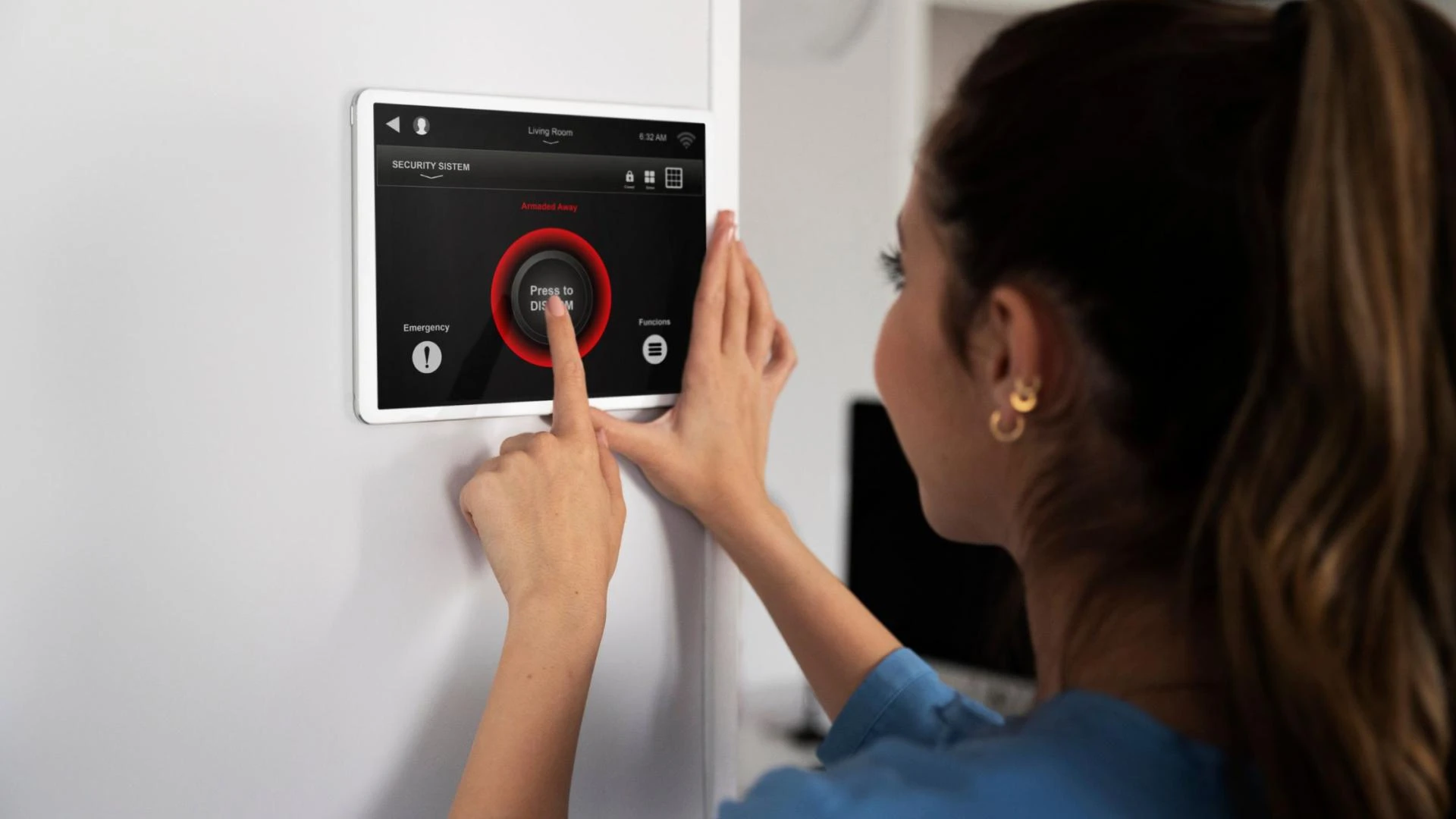
Choosing the right home protection system in Mississauga often involves more than just picking a camera off a shelf. Many homeowners focus on the hardware but overlook the local variables that actually determine how well a system performs. From the unique weather patterns off Lake Ontario to specific municipal bylaws, several "hidden" factors shape these decisions. Residents in Port Credit or Erin Mills face different environmental and legal realities than those in other parts of the GTA.
Understanding these nuances helps you build a setup that truly fits your lifestyle. It moves the conversation away from basic gadgets toward a comprehensive security strategy.
Neighbourhood Microclimates and Hardware Durability
Mississauga's geography plays a surprisingly large role in how equipment ages. If you live close to the lake, salt air and higher humidity can corrode standard outdoor sensors much faster than expected. Homeowners in these areas often need to prioritize "marine-grade" or high-IP-rated housings for their cameras and motion detectors.
Winter also brings intense wind gusts and heavy snow accumulation. A cheap plastic mount might snap during a January blizzard, or a lens might fog up due to rapid temperature shifts. Local experts often suggest installing equipment with built-in heaters or specialized coatings to repel ice. These small upgrades prevent the system from failing exactly when the weather provides cover for intruders.
Municipal False Alarm Bylaws and Financial Impact
One factor people often forget is the cost of being wrong. The City of Mississauga has strict policies regarding false alarms. If your system triggers the Peel Regional Police or Mississauga Fire and Emergency Services without a valid reason, you could face significant "nuisance" fees. These charges are designed to keep emergency resources available for real crises.
To manage this, informed homeowners look for alarm installation in Mississauga that includes video verification. This allows the monitoring center to see a live feed before calling the authorities. It filters out the neighborhood raccoon or a blowing curtain. By choosing a system that prioritizes accuracy, you save yourself from unexpected city invoices that can range from a few hundred to over a thousand dollars for repeat offenses.
Insurance Rebates and Professional Certification
Many people view security as an expense, but it can also be a savings tool. Canadian insurance providers frequently offer discounts for homes with "centrally monitored" systems. However, they usually require proof that a professional handled the setup. A DIY kit might give you peace of mind, but it rarely triggers a premium reduction.
When you work with a certified alarm installation Contractor, you receive a certificate of installation. This document is often required to qualify for lower premiums. Most insurers look for specific features, such as:
- 24/7 monitoring by a ULC-listed station.
- Cellular backup that works even if your internet line is cut.
- Professional testing of all entry point sensors.
Strategic Placement for Mississauga Property Styles
The layout of your property dictates where the real vulnerabilities lie. Mississauga features a mix of sprawling detached homes and compact townhouses. Each requires a different approach to sensor placement.
- Detached Homes: Focus on dark corners, basement windows, and detached garages. Motion-activated lighting should overlap to eliminate blind spots.
- Townhouses and Semi-detached: Prioritize the front entry and rear sliding doors. Since neighbors are close, loud external sirens are often more effective deterrents here than in isolated rural areas.
- New Constructions: Use the opportunity to run low-voltage wiring behind the walls before the drywall goes up. This keeps the aesthetic clean and the system robust.
Future-Proofing for Tech Advancements
Security technology moves fast. A system installed today should be able to handle the software updates of 2028. This is why choosing open-platform hardware is better than locked-in proprietary brands. You want the flexibility to add a doorbell camera or a flood sensor later without replacing the entire hub.
Mississauga’s growth means more traffic and noise. Advanced AI features like "Human Detection" or "Vehicle Recognition" are becoming essential. These tools distinguish between a delivery driver on your porch and a car just driving past your driveway. This level of detail reduces the notification fatigue that leads many people to eventually turn their systems off.
Long-Term Maintenance and Support
A security system is not a "set it and forget it" tool. Batteries die, sensors get dusty, and software needs patching. Choosing a local alarm installation Contractor means you have someone nearby for physical service calls. If a sensor on your second-story window starts acting up, you don't want to be on a support queue with a call center halfway across the globe.
Regular professional check-ups ensure that every door contact and glass-break sensor is still calibrated correctly. It also gives you a chance to upgrade specific parts as your family needs change—perhaps adding interior cameras as children get older or elderly parents move in.
Conclusion
Selecting alarm installation in Mississauga involves balancing local laws, weather challenges, and the specific physical layout of your home. By looking past the glossy marketing of basic retail kits, homeowners can find solutions that provide genuine, long-term resilience.
Clever Cabling operates as a specialist in the low-voltage and security sector across the Greater Toronto Area. The company focuses on creating high-performance infrastructures for both residential and commercial clients. Their team handles everything from complex data cabling and Wi-Fi optimization to the integration of sophisticated intrusion alarms. By emphasizing clean aesthetics and technical precision, they ensure that every security setup remains reliable and easy to manage.