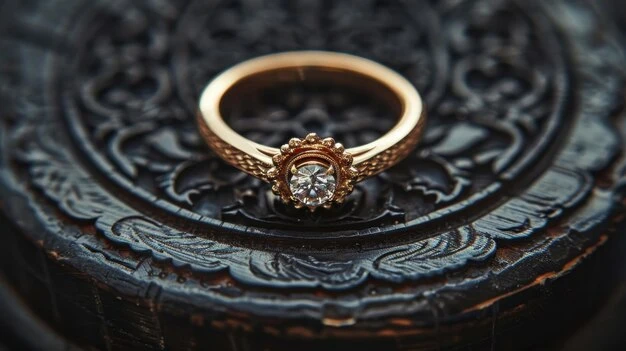
Rings from Britain’s nineteenth-century high society still capture attention today because they combine romance with craftsmanship. Their charm isn’t only about sparkle; it’s about storytelling motifs that carried meaning, stones selected for sentiment, and settings shaped by the technology and tastes of the time. If you love pieces that feel personal rather than mass-produced, heirloom-inspired rings can deliver that sense of heritage while still fitting into a modern jewelry wardrobe.
What made the era’s rings so distinctive
This period favored symbolism and detail. Designers leaned into florals, bows, serpents, stars, and crescents, often shaping the metal to look organic instead of purely geometric. Many rings were made to mark milestones engagements, anniversaries, mourning, and family celebrations so they were created with a purpose beyond decoration. Even when the silhouette seems delicate, the build was meant to last, which is why so many original pieces survive and why modern reproductions still borrow their proportions.
Gem choices that carried messages
Colored stones were often selected for meaning as much as beauty, making choosing the right ring as symbolic as it was aesthetic. Garnets and rubies suggested devotion, pearls hinted at purity or remembrance, and turquoise could symbolize affection. Sapphires and emeralds appeared in richly saturated tones, frequently paired with diamonds for contrast. These gems weren’t only center stones; they also appeared as accents in halos and shoulders, adding layers of color. When you look closely, the palette is rarely random each shade is positioned to guide the eye and emphasize the ring’s motif.
Settings that created glow in candlelight
Lighting shaped design decisions. In a world of candlelit evenings, jewelers aimed for sparkle and depth rather than the ultra-bright “ice” look many people expect today. Closed-back settings and foil-backed stones were sometimes used to intensify color, and clusters helped amplify shine without relying on a single massive gem. Cut styles also mattered: old mine and old European cuts, for example, can show softer flashes and a more romantic flicker. Modern heirloom-inspired rings often recreate that gentle glow by using warmer metals and slightly rounded silhouettes.
Motifs, meanings, and wearable symbolism
The romance of these rings lies in their coded imagery. Serpent forms represented eternal love and wisdom, while flowers suggested new beginnings. Stars and crescents evoked dreams and guidance. Hands clasped together symbolized partnership and trust. This is where Jewelry design history becomes practical: understanding motifs helps you choose a ring that feels aligned with what you want the piece to represent. Even if you’re buying purely for aesthetics, knowing the symbolism adds emotional weight exactly what makes heirloom styling feel special.
Metalwork details that signal heirloom character
Look for hand-finished texture, fine milgrain edges, engraved shoulders, and gallery details under the center setting. These elements create dimension that reads “antique-inspired” even when the ring is newly made. Yellow gold gives warmth and softness; rose gold adds a romantic blush; and silver or white gold can highlight gemstone color with cooler contrast. Many heirloom-style designs also feature slightly higher settings, which can make the ring look more dramatic, though it also affects comfort and daily wear.
How to wear old-world rings in a modern way
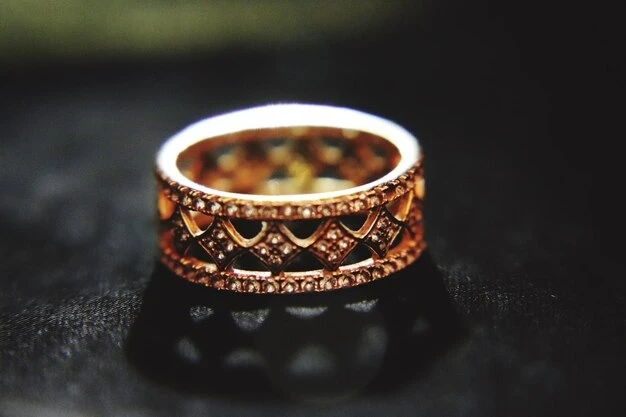
The easiest approach is to let the ring lead and keep everything else quiet. A single statement ring looks striking with minimal bands and small earrings, especially when the ring has colored stones or intricate metalwork. For more expression, stack slim bands with varied textures smooth, beaded, or engraved so the main ring still stands out. In everyday outfits, Styling with accessories works best when you repeat one element: echo the ring’s metal tone in your watch, belt buckle, or earrings, creating a cohesive finish without looking themed.
Quality checkpoints when shopping heirloom-inspired pieces
Whether you’re buying antique, vintage, or newly crafted, inspect the build. Check prongs for symmetry and security, examine the underside for clean finishing, and ensure the band thickness feels sturdy enough for regular wear. Ask about gemstone treatment and durability, especially for softer stones that can scratch. If the ring is antique, request any available documentation, resizing history, and condition notes. If it’s a reproduction, look for a maker who can explain their casting or hand-fabrication process and who offers maintenance guidance.
Modern interpretations of antique color and sparkle
Contemporary designers often reinterpret the look with updated comfort. You may find lower profiles, smoother edges, and reinforced prongs while maintaining the same romantic feel. Many people are drawn to victorian gemstone jewelry aesthetics because the color combinations feel artistic and expressive rather than minimalist. To keep the look authentic, choose stones with rich saturation and pair them with detailing like halos, clusters, or engraved shoulders. If you want something subtler, a single colored center stone with delicate accent diamonds can still deliver the era’s spirit without feeling costume-like.
You May Also Like: Accessory Pairing Tips That Instantly Upgrade Your Appearance
Conclusion
Heirloom-inspired rings offer more than decoration they offer a connection to craft, symbolism, and enduring taste. When you pay attention to motifs, setting styles, and metalwork details, you can find a piece that feels historically rooted yet easy to wear today. The best ring is one that suits your lifestyle and tells your story, whether you lean toward bold color, delicate engraving, or a quietly romantic design that looks like it has been cherished for generations.