



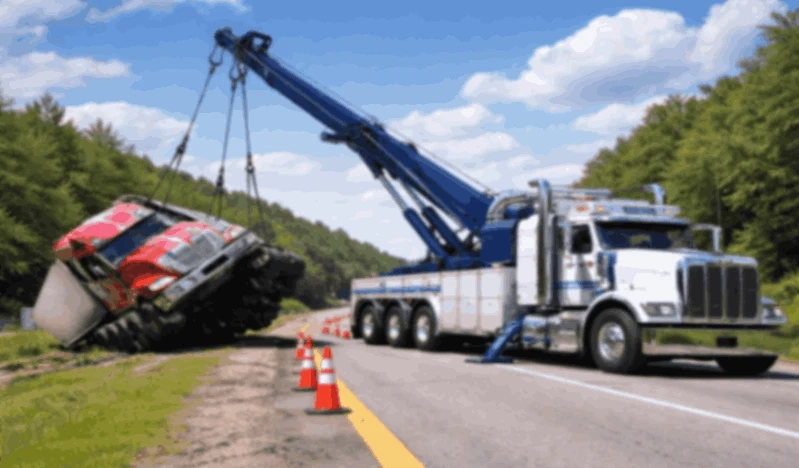
When massive vehicles break down or face accidents on highways, construction sites, or industrial zones, ordinary towing services are not enough. This is where Heavy Duty Towing becomes essential. Designed to handle large, overweight, and complex vehicles, heavy duty towing plays a critical role in keeping transportation networks safe, efficient, and operational. In this blog, we will explore what heavy duty towing is, how it works, the equipment involved, and why choosing a professional heavy duty towing service matters.
What Is Heavy Duty Towing?
Heavy duty towing refers to the specialized towing and recovery of large vehicles that exceed the capacity of standard tow trucks. These vehicles often include:
- Semi-trucks and tractor-trailers
- Buses and coaches
- Dump trucks and cement mixers
- Fire trucks and emergency vehicles
- Construction and mining equipment
- RVs and large commercial vans
Unlike light or medium towing, heavy duty towing requires advanced machinery, trained operators, and strict safety protocols. The weight, size, and mechanical complexity of these vehicles demand expertise that goes far beyond basic towing.
Why Heavy Duty Towing Is Different
Heavy duty towing is not simply about pulling a large vehicle off the road. It involves careful planning, precise execution, and specialized tools. Here’s what makes it different:
1. Extreme Weight and Size
Heavy vehicles can weigh anywhere from 15 to over 50 tons when fully loaded. Managing this weight safely requires powerful tow trucks and reinforced equipment.
2. Complex Recovery Situations
Many heavy duty towing operations involve rollovers, jackknifed trailers, or vehicles stuck in difficult terrain. Recovery often requires winching, lifting, and stabilization.
3. Traffic and Safety Challenges
Breakdowns involving large trucks often occur on busy highways. Heavy duty towing teams must manage traffic flow, ensure public safety, and minimize road closures.
Equipment Used in Heavy Duty Towing
Professional heavy duty towing relies on advanced equipment designed specifically for large-scale recovery operations.
Heavy Duty Tow Trucks
These trucks are engineered with powerful engines, reinforced frames, and high-capacity booms. They can safely lift and tow extremely heavy vehicles without causing further damage.
Rotator Tow Trucks
Rotator trucks are among the most advanced tools in heavy duty towing. They feature rotating booms that allow operators to recover vehicles from difficult angles, such as over embankments or tight urban spaces.
Winches and Cables
High-strength winches and steel cables are used to pull overturned or stuck vehicles back onto the road. These components must handle immense tension safely.
Air Cushions and Recovery Tools
In some situations, air cushions are used to lift overturned vehicles gently, reducing the risk of damage during recovery.
Common Situations That Require Heavy Duty Towing
Heavy duty towing services are essential in a wide range of scenarios, including:
Highway Breakdowns
Mechanical failures in large trucks can bring traffic to a halt. Quick and professional heavy duty towing ensures minimal disruption.
Accidents and Rollovers
Serious accidents involving commercial vehicles require expert recovery to clear the scene safely and efficiently.
Construction and Industrial Transport
Heavy machinery often needs relocation between sites. Heavy duty towing ensures safe transport of oversized equipment.
Fleet and Logistics Support
Commercial fleets rely on heavy duty towing services to keep operations running smoothly when unexpected issues arise.
The Importance of Professional Heavy Duty Towing
Choosing a professional heavy duty towing service is crucial for safety, efficiency, and cost control.
Skilled Operators
Certified and experienced operators understand load dynamics, recovery angles, and safety protocols. Their expertise reduces the risk of additional damage or injuries.
Advanced Safety Standards
Professional towing companies follow strict safety regulations, protecting drivers, cargo, and the public.
Reduced Downtime
Fast and effective recovery minimizes downtime for businesses, helping trucks and equipment get back to work quickly.
Insurance and Compliance
Reputable heavy duty towing providers work closely with insurance companies and comply with local and national regulations, ensuring a smooth recovery process.
How Heavy Duty Towing Supports the Economy
Heavy duty towing is an often-overlooked but vital part of modern infrastructure. Commercial transportation, construction, and emergency services all depend on reliable towing support.
- Keeps supply chains moving by quickly clearing disabled trucks
- Supports emergency response by recovering damaged fire trucks and buses
- Protects road infrastructure by safely removing heavy vehicles without causing further damage
Without professional heavy duty towing, even a single breakdown could cause massive delays, financial losses, and safety risks.
Choosing the Right Heavy Duty Towing Service
Not all towing companies are equipped for heavy duty operations. When selecting a service, consider the following:
- Experience and Reputation – Look for a proven track record in heavy duty towing.
- 24/7 Availability – Breakdowns don’t follow schedules; round-the-clock service is essential.
- Modern Equipment – Updated tow trucks and recovery tools ensure safer operations.
- Trained Staff – Certified operators make a significant difference in complex recoveries.
- Transparent Pricing – Clear communication and fair pricing help avoid unexpected costs.
Future of Heavy Duty Towing
As vehicles become larger and more technologically advanced, heavy duty towing continues to evolve. Modern tow trucks now incorporate GPS tracking, digital load monitoring, and advanced hydraulics. Electric and hybrid heavy vehicles are also changing recovery methods, requiring specialized training and tools.
The future of heavy duty towing will focus on faster response times, enhanced safety systems, and environmentally responsible practices, ensuring the industry keeps pace with modern transportation demands.
Conclusion
Heavy Duty Towing is far more than just towing large vehicles—it is a specialized service that combines power, precision, and professional expertise. From highway emergencies to industrial equipment transport, heavy duty towing ensures safety, efficiency, and continuity across multiple industries. By relying on skilled operators and advanced equipment, heavy duty towing services play a critical role in keeping roads clear, businesses operational, and communities safe.
Whether you manage a commercial fleet, operate construction equipment, or simply want to understand how large-scale vehicle recovery works, heavy duty towing remains an essential pillar of modern transportation infrastructure.