



Learn what heart healthy tea is, which teas support blood pressure and cholesterol, how to brew them, and who should be careful.
If you want one easy habit that feels comforting, tea for heart health is a smart place to start. The right tea can add antioxidants, support blood vessels, and help you cut back on sugary drinks. Some teas, like hibiscus, have clinical evidence for helping lower blood pressure in some people.
But tea is not a cure. Think of heart-supporting tea as a helper inside a bigger plan: balanced food, daily movement, good sleep, and doctor care when needed.
What is heart healthy tea and what does it do?
Heart healthy tea usually means tea that may support your heart in a few clear ways:
- Helps blood vessel function: Many teas contain plant compounds that help your vessels relax and work better.
- Supports healthy blood pressure: Hibiscus tea, in particular, has research showing reductions in systolic blood pressure compared to placebo in studies.
- Adds antioxidants: Antioxidants help reduce oxidative stress, which matters for heart health.
This is why many people search for heart healthy tea benefits or best tea for heart health—they want a daily drink that does something good without being complicated.
Best tea for heart health: the top options that people choose
Different bodies respond differently, but these teas are commonly picked for heart health support:
Green tea for heart health: Green tea contains catechins (like EGCG). Research links green tea intake with cardiovascular benefits, though results vary by person and lifestyle.
Black tea for heart health: Black tea has flavonoids that may support circulation and blood vessel function, and some studies show modest blood pressure improvements.
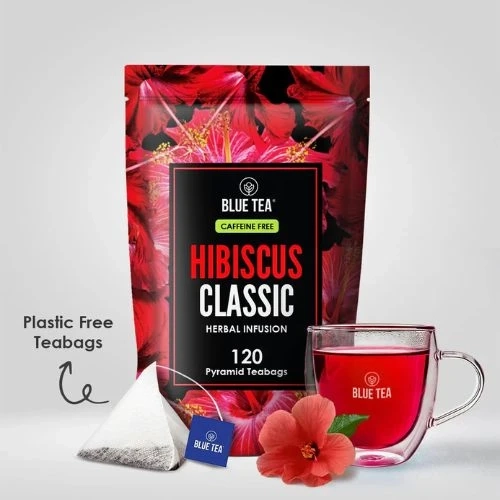
Hibiscus tea for heart health: Hibiscus is one of the best-known herbal options for blood pressure support, and meta-analyses report reductions in systolic blood pressure in certain groups.
If your main goal is calmer evenings, you might also choose caffeine-free herbal blends. Just remember: “herbal” does not always mean “risk-free” if you take medicines.
Heart healthy tea for blood pressure and cholesterol: how to use it safely
If you are drinking heart healthy tea for blood pressure, consistency matters more than “strong” brewing. Many studies look at daily use over weeks, not one cup once in a while.
Here is a simple, practical approach:
- Pick one main tea (like hibiscus or green tea) and drink it at a steady time daily.
- Keep it unsweetened (sugar can cancel the “healthy drink” idea fast).
- Pair it with heart-smart food (more fiber, less deep-fried food).
Also, if you use green tea and you are low in iron, consider timing it away from iron-rich meals because tea polyphenols can reduce iron absorption.
How to brew heart-supporting tea the right way (so it actually tastes good)
Brewing matters because people quit tea when it tastes too bitter or too sour. Try this:
- Hibiscus: Steep 3–7 minutes for a tangy cup; shorter steeping is smoother.
- Green tea: Use hot (not boiling) water and steep shorter to avoid bitterness.
- Iced tea option: Cold-steep in the fridge for a smoother taste (great if you dislike strong flavors).
If you want heart healthy tea to stick as a habit, make it easy: keep a mug ready, set a daily reminder, and choose a flavor you enjoy.
Frequently Asked Questions
Is hibiscus tea good for heart health?
Yes, hibiscus tea is often used for heart support, and studies show it can lower blood pressure in some people, especially those with elevated baseline blood pressure.
Can tea lower blood pressure?
Some teas may help modestly, especially hibiscus, and research suggests consistent intake is key. Results vary, so monitor your numbers and follow medical advice.
What is the best tea for heart health?
Common choices include green tea, black tea, and hibiscus tea because they provide antioxidants and may support blood vessels and blood pressure.
How many cups of heart healthy tea should I drink a day?
A common, practical range is 1–3 cups daily, depending on caffeine tolerance and ingredients (especially with herbal teas like hibiscus). If you have low blood pressure or take medications, ask your clinician.
Does green tea help your heart?
Green tea is linked with cardiovascular benefits in research, likely due to its catechins and antioxidant content. It’s not a replacement for treatment, but it can be a supportive habit.
Who should avoid hibiscus tea?
People who are pregnant, have very low blood pressure, or take blood pressure medicines should be careful, because hibiscus may lower blood pressure further. If you are unsure, check with a healthcare professional.