



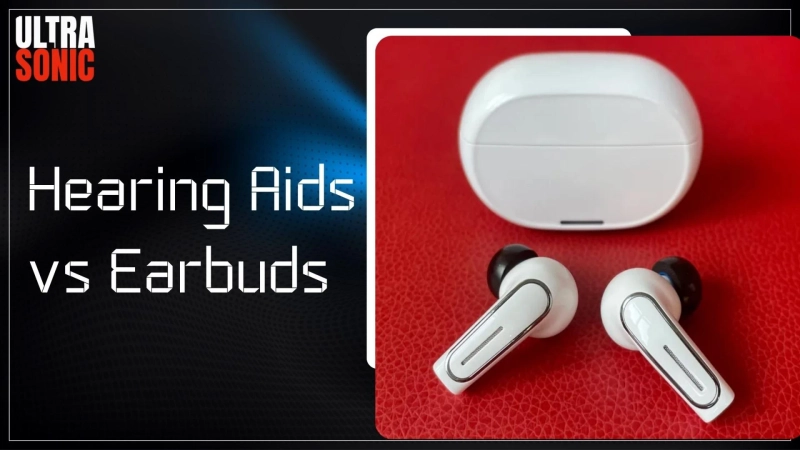
In today’s tech-driven world, audio devices have become essential companions—whether you’re enjoying music, taking calls, or improving hearing clarity. But when it comes to hearing aids vs earbuds, users often find themselves asking: which one is better for everyday use? While both may look similar, their purposes, features, and performance differ significantly.
This guide explores the detailed comparison between hearing aids vs earbuds, helping you make an informed decision that enhances both your hearing and lifestyle.
1. Understanding the Core Difference
The main distinction between hearing aids vs earbuds lies in their function.
- Hearing Aids: These are medical-grade devices designed specifically to help individuals with hearing loss. They amplify sounds selectively, focusing on speech clarity while minimizing background noise.
- Earbuds: On the other hand, earbuds are consumer electronic devices meant for entertainment—listening to music, podcasts, and calls. They’re not designed to treat hearing difficulties but can amplify audio for short-term or casual use.
So, while both deliver sound to your ears, the purpose behind each device defines how effective it will be for your daily needs.
2. Sound Quality and Clarity
When comparing hearing aids vs earbuds, sound quality plays a crucial role.
- Hearing Aids: Modern hearing aids come with advanced processors that adapt to various environments. They distinguish between speech and noise, automatically adjusting volume for comfort and clarity. Premium hearing aids offer directional microphones and adaptive noise reduction to ensure crystal-clear speech, even in crowded places.
- Earbuds: Most earbuds, even high-end ones, focus on rich bass and immersive sound for music rather than balanced speech clarity. While they may sound good for entertainment, they don’t enhance the specific frequencies necessary for hearing-impaired individuals.
In summary, hearing aids are optimized for clarity, while earbuds are designed for entertainment.
3. Noise-Canceling Features
Both devices often claim noise reduction, but their methods differ.
- Hearing Aids: Utilize environmental noise suppression to separate voices from ambient sounds. This means you can hear conversations clearly in noisy environments such as restaurants or public areas.
- Earbuds: Offer active noise cancellation (ANC) by creating counter frequencies to block unwanted noise. While this is ideal for music listening, it may muffle important environmental sounds, making it less safe in outdoor or social settings.
Thus, in the hearing aids vs earbuds debate, hearing aids provide smarter noise management for real-life communication, whereas earbuds focus more on sound isolation for music enjoyment.
4. Comfort and Design
Comfort and ergonomics are vital, especially for all-day wear.
- Hearing Aids: Designed with long-term comfort in mind, they are lightweight, discreet, and custom-fitted to your ear shape. The latest models are nearly invisible and can be worn throughout the day without discomfort.
- Earbuds: While convenient, earbuds can cause ear fatigue after extended use. They’re typically not meant for continuous wear, especially since they block the ear canal more tightly, which can trap moisture or cause irritation.
If you prioritize long-term comfort, hearing aids offer superior design and wearability.
5. Connectivity and Smart Features
Modern technology has made both hearing aids and earbuds smarter than ever.
- Hearing Aids: Many of today’s models come with Bluetooth connectivity, allowing you to stream calls, music, or TV audio directly from your phone. You can also adjust settings through smartphone apps and enjoy real-time sound optimization based on your environment.
- Earbuds: Feature-rich earbuds also offer Bluetooth pairing and touch controls. However, they typically lack the medical-grade tuning, adaptive hearing adjustments, or personalized amplification found in advanced hearing aids.
In short, hearing aids deliver both connectivity and health benefits, whereas earbuds focus on entertainment features.
6. Battery Life and Charging Options
Battery performance is another area where the difference is noticeable.
- Hearing Aids: Most modern hearing aids feature rechargeable batteries with all-day performance. Some models can last up to 24 hours on a single charge, and quick-charging cases make them easy to manage.
- Earbuds: While compact and portable, earbuds typically provide around 4–8 hours of battery life before needing a recharge. The case offers multiple charges, but frequent use can shorten battery lifespan over time.
For reliability, hearing aids are engineered for consistent, extended use—making them more practical for daily wear.
7. Price and Value
The price comparison between hearing aids vs earbuds varies widely.
- Hearing Aids: They are more expensive due to their specialized technology, medical precision, and customization. However, they are long-term investments in hearing health and quality of life.
- Earbuds: Generally affordable and widely available. While they may seem like a cheaper solution, they cannot replace the precision or therapeutic value of hearing aids for users with hearing loss.
Investing in hearing aids ensures better speech understanding and cognitive benefits, while earbuds cater primarily to entertainment needs.
8. Durability and Maintenance
Durability determines how well each device performs over time.
- Hearing Aids: Designed to withstand daily wear, including moisture and minor dust exposure. They come with cleaning tools and professional servicing options to ensure longevity.
- Earbuds: Though durable, most earbuds are not meant for continuous or rugged use. Sweat, dust, or moisture can easily affect sound quality or damage internal components.
Hearing aids offer better protection and maintenance support for users seeking long-term reliability.
9. Health and Safety Considerations
The long-term use of earbuds at high volumes can lead to hearing damage. Prolonged exposure to loud sound levels above 85 dB can cause permanent hearing loss.
Hearing aids, however, are medically tuned to ensure safe listening levels. They amplify sound selectively—only where it’s needed—protecting your ears from strain or damage.
When comparing hearing aids vs earbuds, the clear winner for hearing health and protection is the hearing aid.
10. Ideal Use Cases
- Choose Hearing Aids If:
- You experience mild to severe hearing loss.
- You need speech clarity in noisy environments.
- You want comfort, long battery life, and Bluetooth integration for calls or TV audio.
- Choose Earbuds If:
- You have normal hearing and mainly listen to music or podcasts.
- You prioritize affordability and portability.
- You use them for short durations, like commuting or workouts.
Both serve different purposes—but understanding your needs ensures you choose the right device for your lifestyle.
Conclusion: Which One Is Right for You?
When it comes to hearing aids vs earbuds, the choice depends on your goals. Earbuds excel in entertainment and convenience, while hearing aids are indispensable for hearing enhancement and protection.
For individuals with hearing difficulties or those seeking premium sound clarity, hearing aids offer unmatched benefits—personalization, comfort, and health-driven design.
Companies like Ultrasonic are leading the way in delivering modern, Bluetooth-enabled hearing solutions that combine performance with style. Whether you seek all-day clarity or seamless connectivity, investing in a high-quality hearing aid can transform your listening experience for the better.
Experience sound the way it’s meant to be heard—with clarity, comfort, and confidence—through advanced hearing technology by Ultrasonic.