


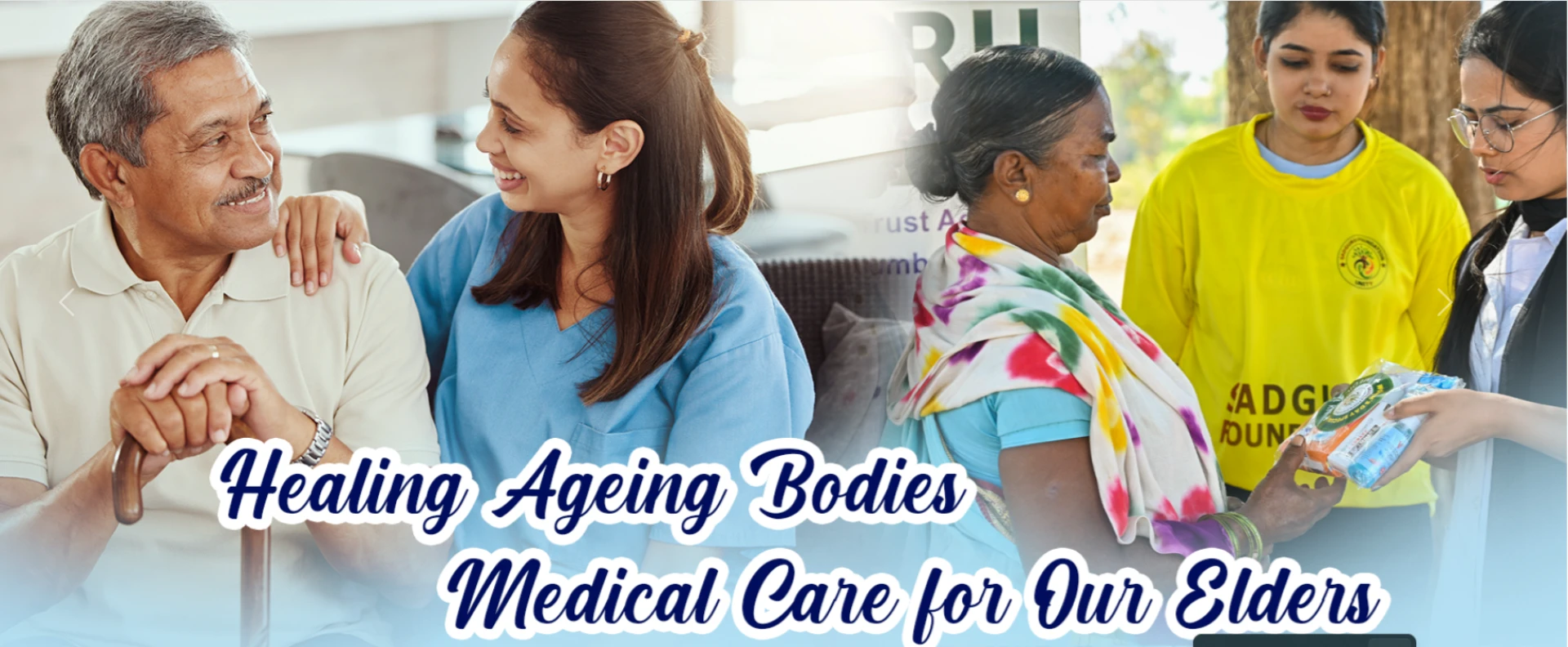
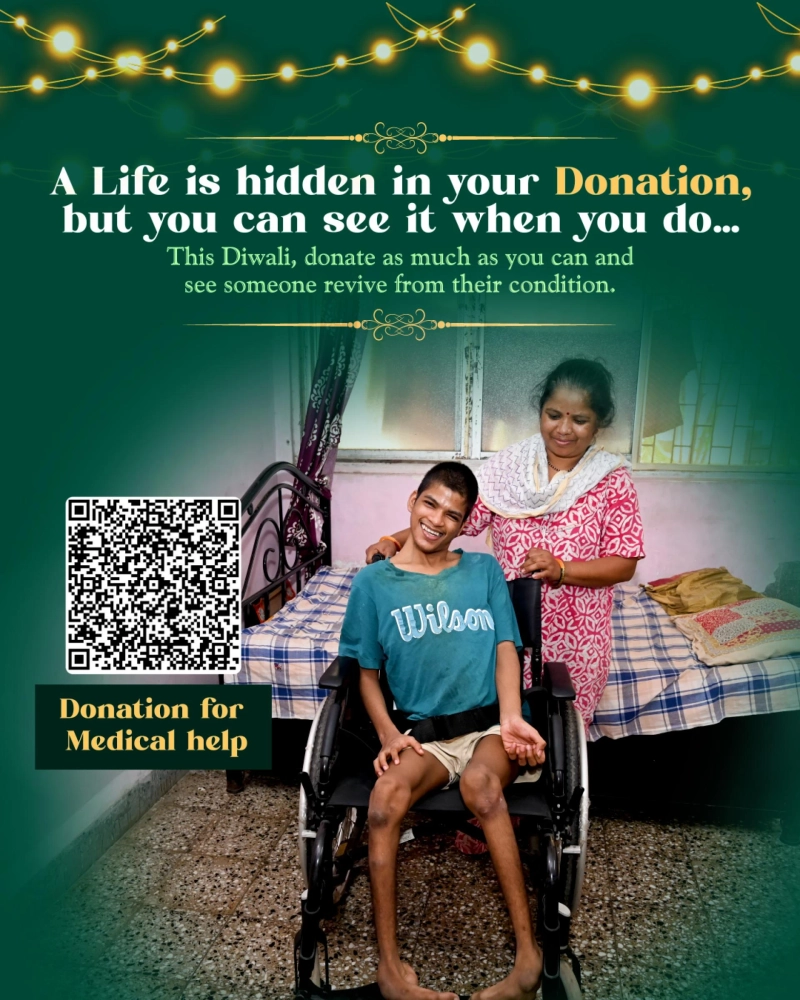
Access to healthcare is a fundamental right, yet millions across the world still struggle to receive proper medical attention. In this context, the role of a health NGO becomes crucial. These organizations work tirelessly to ensure that people—regardless of their economic background, geography, or social status—can access essential medical care. From rural outreach programs to urban awareness drives, their contributions shape a more inclusive and healthier society.
1. The Growing Need for Community-Based Healthcare
In developing nations and even in advanced economies, public health systems often fall short of reaching every individual. Limited infrastructure, uneven resource distribution, and lack of awareness contribute to this gap. Community-based healthcare initiatives, driven by non-governmental organizations, help bridge these shortcomings by taking healthcare directly to the people who need it most.
These initiatives go beyond providing medicines—they focus on preventive care, hygiene education, maternal and child health, and chronic disease management. By building trust within communities, NGOs encourage people to seek timely help and adopt healthier lifestyles.
2. Major Areas of Work and Impact
Health-focused organizations operate in a diverse range of fields. Some concentrate on emergency medical relief during natural disasters, while others focus on long-term projects aimed at eradicating diseases or improving sanitation. Below are some of the major areas where they make a difference:
a. Primary Healthcare Access
Mobile clinics and rural health camps provide medical check-ups, vaccinations, and basic treatments in remote areas where hospitals are scarce. These initiatives save lives and detect illnesses early.
b. Women and Child Health
Maternal health programs aim to reduce infant and maternal mortality rates by offering prenatal care, safe delivery assistance, and postnatal support. Nutrition and immunization programs further strengthen child development and immunity.
c. Health Education and Awareness
Education remains a cornerstone of better health outcomes. NGOs conduct workshops and campaigns on topics such as hygiene, menstrual health, sanitation, and nutrition. By spreading knowledge, they empower individuals to make informed decisions about their well-being.
d. Disease Prevention and Control
From tuberculosis and malaria to lifestyle diseases like diabetes, NGOs play a major role in awareness, testing, and treatment facilitation. Their targeted campaigns often help governments reach areas where official healthcare services are limited.
3. Innovation in Health Outreach
Technology is rapidly changing how health organizations operate. Many NGOs now use telemedicine to reach people in remote locations, enabling patients to consult doctors through digital platforms. Health data collection and analysis using mobile apps also help track disease patterns and plan interventions effectively.
Furthermore, collaborations with local authorities and global partners enable these organizations to leverage technology for vaccine tracking, digital health records, and health education through social media. These innovations ensure that healthcare is not just accessible but also sustainable.
4. Role During Crises and Pandemics
When disaster strikes—be it a flood, earthquake, or pandemic—NGOs are often the first responders on the ground. During such times, they provide not only emergency medical care but also essential supplies like clean water, sanitation facilities, and mental health support.
Their quick mobilization and community-level presence make them indispensable in times of crisis. They often fill the gap between government efforts and immediate public needs, ensuring that no one is left behind.
5. Challenges Faced by Health Organizations
Despite their enormous contribution, health-focused NGOs face multiple challenges:
- Funding Limitations: Sustaining healthcare projects requires constant funding, which is often difficult to secure.
- Lack of Skilled Personnel: Recruiting trained healthcare professionals willing to work in remote regions remains a hurdle.
- Regulatory Hurdles: Complex administrative processes can delay or limit program execution.
- Cultural Barriers: Misconceptions and stigma often prevent communities from accepting medical help or health education.
To overcome these challenges, many NGOs partner with local volunteers, educational institutions, and corporate social responsibility (CSR) programs to create a stronger support system.
6. Building a Healthier Future Together
The long-term vision of health-focused organizations is not just about treating illnesses—it’s about transforming the very foundation of public health. By integrating education, preventive measures, and accessible care, they help build communities that can sustain their own well-being.
Collaboration between government agencies, private sectors, and NGOs can create an ecosystem where healthcare is affordable, inclusive, and effective. When communities are empowered with knowledge and resources, they become active participants in improving their own health outcomes.
Conclusion
Health is more than just the absence of disease; it is a state of physical, mental, and social well-being. Health NGOs play a vital role in making this vision achievable for everyone, especially the underserved. Their tireless efforts in delivering healthcare access, spreading awareness, and fostering compassion highlight the true meaning of humanitarian service.
In the journey toward global wellness, these organizations remind us that healthcare is not a privilege—it’s a shared responsibility. Together, we can build a world where every individual has the opportunity to live a healthy and dignified life.