



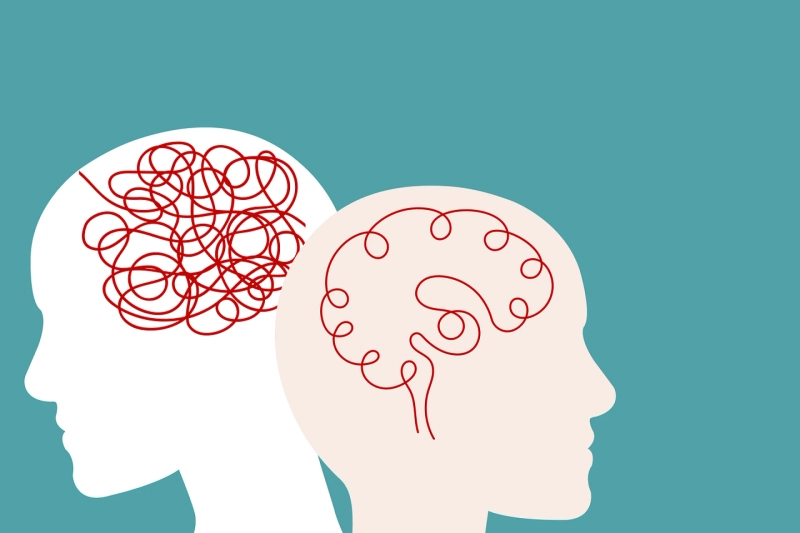
In today’s fast-paced world, mental health challenges have become increasingly common, affecting people of all ages and backgrounds. While outpatient therapy and medication can be effective, some individuals need a more structured and immersive form of care to truly heal. This is where Residential Mental Health treatment comes into play offering a safe, supportive environment where individuals can focus entirely on their recovery without the stressors of everyday life.
What Is Residential Mental Health Care?
Residential mental health care, often referred to as inpatient or live-in treatment, provides individuals with round-the-clock support in a therapeutic setting. Unlike outpatient programs, where patients return home after therapy sessions, residential care involves living full-time in a treatment facility for a specific period often ranging from a few weeks to several months.
These programs are designed to help individuals who struggle with severe depression, anxiety disorders, bipolar disorder, trauma, or other complex mental health conditions. The goal is to provide a stable environment where professionals can assess, treat, and support residents through intensive, personalized care plans.
The Core Benefits of Residential Mental Health Programs
Residential programs offer a level of structure and care that’s hard to replicate in outpatient settings. Here are some of the main benefits:
1. 24/7 Support and Monitoring
In residential settings, clients are surrounded by trained professionals therapists, nurses, and psychiatrists who are available around the clock. This constant access to care ensures safety and provides immediate support during emotional crises.
2. Individualized Treatment Plans
Every resident receives a personalized treatment plan tailored to their specific diagnosis, background, and goals. These plans often include therapy, medication management, holistic activities, and wellness education.
3. Therapeutic Community and Peer Support
Living alongside others who share similar struggles fosters connection, understanding, and encouragement. Residents often build meaningful relationships that contribute significantly to their recovery journey.
4. Safe, Distraction-Free Environment
Residential facilities eliminate daily stressors such as work, family conflicts, or social triggers. This calm and focused environment allows residents to concentrate entirely on self-healing.
Types of Therapies Offered in Residential Mental Health Programs
Modern residential treatment centers use an integrative approach to mental health recovery. This means blending evidence-based therapies with holistic and experiential techniques. Common therapies include:
- Cognitive Behavioral Therapy (CBT): Helps individuals recognize and change negative thinking patterns.
- Dialectical Behavior Therapy (DBT): Teaches emotional regulation and mindfulness.
- Group Therapy: Encourages communication and empathy among residents.
- Family Therapy: Involves loved ones to rebuild trust and strengthen relationships.
- Medication Management: Overseen by psychiatrists to balance mood and reduce symptoms.
- Holistic Therapies: Yoga, meditation, art, and equine therapy promote overall wellness.
This multifaceted approach ensures that treatment addresses not just symptoms but also the root causes of mental distress.
Who Can Benefit from Residential Mental Health Treatment?
Residential care is often recommended for individuals whose symptoms have not improved through outpatient therapy or medication alone. It is ideal for those who:
- Experience severe depression, anxiety, or mood instability
- Have suicidal thoughts or self-harming behaviors
- Struggle with trauma or PTSD
- Need a stable, substance-free environment for recovery
- Require medication adjustments under supervision
- Have difficulty functioning in daily life due to mental health challenges
These programs cater to adolescents, adults, and even seniors, depending on the facility’s focus and specialization.
The Role of Family in Residential Recovery
Family involvement plays a crucial role in long-term healing. Many programs integrate family therapy sessions to educate relatives about mental health and effective communication. These sessions help families understand their loved one’s condition, rebuild trust, and create a supportive home environment for when the individual transitions back to daily life.
Life Inside a Residential Mental Health Facility
A typical day in residential care follows a structured schedule that balances therapy, wellness activities, and personal time. Mornings might begin with mindfulness or exercise, followed by group or individual therapy sessions. Afternoons often include workshops or creative therapies, and evenings are reserved for relaxation or community activities. This structure helps residents develop healthy routines and coping mechanisms that they can maintain after discharge.
Transitioning Back to Daily Life
Completing a residential program is a major milestone, but recovery doesn’t end there. Many centers provide aftercare planning including outpatient therapy, support groups, and continued medication management to ensure a smooth transition. This ongoing support helps prevent relapse and promotes lasting wellness.
Choosing the Right Residential Mental Health Facility
Selecting the right facility is a critical decision. Factors to consider include:
- Accreditation and licensing of the center
- Qualifications of staff and therapists
- Treatment methods and philosophy
- Facility amenities and environment
- Family involvement policies
- Aftercare and relapse prevention plans
Visiting potential centers, speaking with staff, and reading reviews can help ensure that the program aligns with the individual’s needs and values.
A Path Toward Hope and Healing
Residential mental health treatment is not just about managing symptoms it’s about rebuilding lives. It offers individuals a chance to step away from the chaos of the outside world, reconnect with themselves, and learn the tools needed for lasting recovery. With the right environment, professional guidance, and community support, healing is possible and hope can truly begin to grow again.