


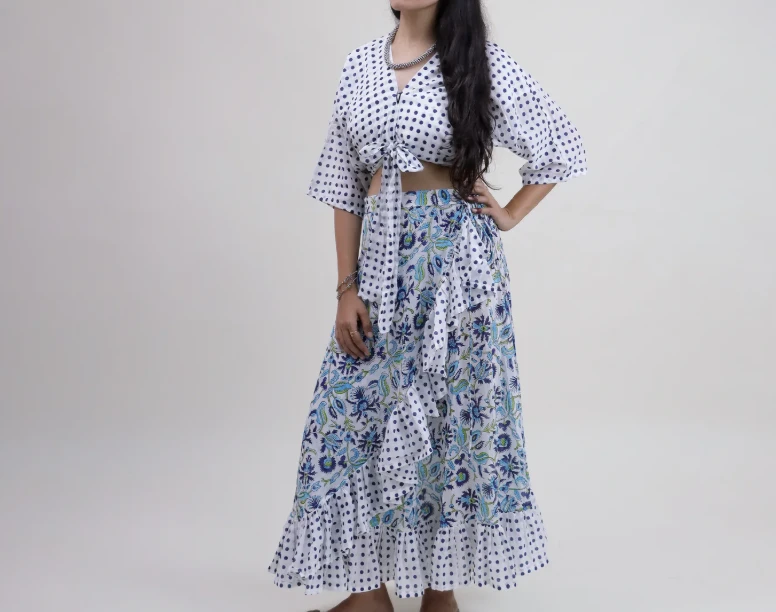
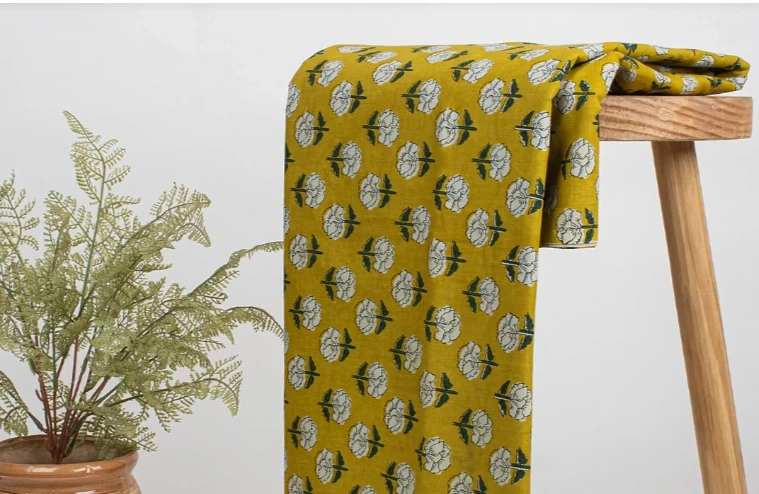
Hand block printed fabric represents an extraordinary fusion of tradition, artistry, and textile craftsmanship. Among the many revered styles within this realm, Boota Print fabric stands out for its intricate motifs and timeless appeal. This article offers an exhaustive exploration of hand block-printed fabric, focusing on the nuances of Boota print, its relationship with cotton fabric, and the broader art of block print. We delve into the origins, techniques, fabric choices, and enduring relevance of this craft, presenting a detailed resource that elevates understanding and appreciation for this exquisite textile form.
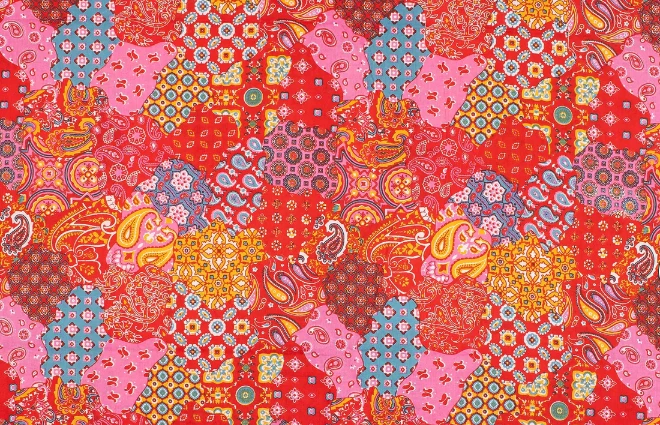
The Heritage of Hand Block Print: A Legacy Etched in Wood and Dye
The hand block print technique is an ancient printing method that has been practised for centuries, primarily in regions of India such as Rajasthan and Gujarat. It is distinguished by the use of carved wooden blocks that transfer patterns onto fabric through manual stamping. This labour-intensive process is a celebration of artisanal skill where each print is unique and imbued with cultural significance.
The Boota Print fabric is one of the most popular variants within the hand block print spectrum. The term "Boota" refers to small, detailed floral or paisley motifs repeated across the fabric, creating a delicate yet rich tapestry of design. These motifs have been inspired by nature’s flora and fauna and are deeply symbolic in many cultures, representing fertility, beauty, and prosperity.
Boota Print Fabric on Cotton: A Perfect Symbiosis
Cotton fabric has been the preferred base for hand block printing due to its exceptional absorbency, texture, and durability. The combination of Boota print with cotton fabric results in textiles that are not only visually stunning but also highly functional.
Cotton’s breathability and softness complement the hand block print technique, allowing dyes—whether natural or synthetic—to penetrate deeply and evenly. This ensures the vibrancy and longevity of the print, making Boota print fabrics ideal for clothing, home décor, and accessories.
Step-by-Step Process of Creating Hand Block Printed Boota Fabrics
The creation of Boota print fabric through hand block printing involves a series of meticulously performed steps:
- Design Carving on Wooden Blocks: Artisans carve precise Boota motifs into teak or sheesham wood blocks. Each block is dedicated to a specific colour or element within the pattern.
- Fabric Preparation: Cotton fabrics undergo a thorough washing and bleaching process to remove impurities, improving dye adherence.
- Dye Preparation: Dyes—traditionally natural, sourced from plants like indigo, madder, and turmeric—are mixed carefully to achieve the desired hues.
- Block Printing: Skilled artisans press the carved blocks onto the cotton fabric repeatedly, aligning each print perfectly to maintain pattern continuity.
- Drying and Fixing: Printed fabrics are dried in the shade and steamed or sun-fixed to set the dye, enhancing durability and colour fastness.
- Finishing Touches: The fabric is washed again to remove excess dye and may undergo ironing or calendaring for smoothness.
Each stage requires precision and dedication to maintain the authenticity and quality of the Boota print on cotton fabric.
Distinctive Characteristics of Boota Print Fabric
Boota print fabric is renowned for several hallmark features that distinguish it within the hand block print tradition:
- Intricate Miniature Motifs: The Boota design is characterised by its small, repeated floral or paisley elements, often arranged symmetrically or in free-flowing patterns.
- Colour Harmony: While traditionally available in earthy tones using natural dyes, modern Boota print fabrics also incorporate vibrant synthetic colours to cater to contemporary tastes.
- Texture and Feel: When printed on cotton, Boota fabrics boast a soft hand feel, lightweight texture, and excellent breathability.
- Versatility: Suitable for a variety of products ranging from ethnic garments such as kurtas and sarees to home textiles like curtains and cushion covers.
Cotton Fabric: The Ideal Canvas for Block Print Mastery
Cotton fabric’s properties enhance the appeal and functionality of hand block printed textiles. Some key benefits include:
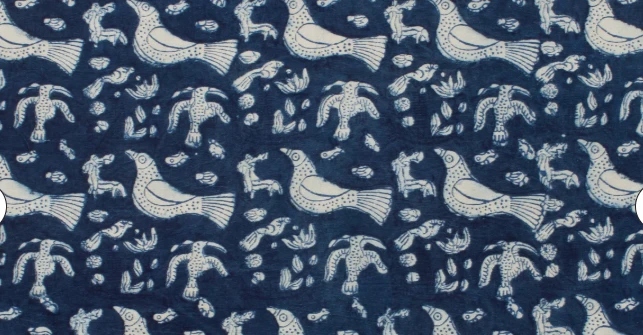
- Absorbency: Cotton readily absorbs dyes, ensuring rich and lasting colours.
- Durability: Strong fibre structure sustains repeated washing without degradation of print quality.
- Comfort: Soft and breathable, cotton is ideal for clothing, especially in warmer climates.
- Eco-friendliness: Being a natural fibre, cotton aligns well with the sustainable and artisanal ethos of hand block printing.
These attributes have cemented cotton as the fabric of choice for artisans who aim to preserve traditional block print techniques like Boota printing.
Contemporary Applications of Hand Block Printed Boota Fabrics
The renewed interest in hand block print and Boota print fabric has ushered in a wave of modern adaptations and innovations:
- Fashion Industry: Designers incorporate Boota printed cotton fabrics into both casual and formal apparel, blending heritage with contemporary styles.
- Home Décor: Boota patterns on cotton find expression in curtains, bed linens, and upholstery, adding a rustic yet refined touch to interiors.
- Accessories and Crafts: Items such as bags, scarves, and table linens utilise Boota prints to provide artisanal flair.
The eco-conscious consumer appreciates the sustainable process and authentic story behind each fabric, contributing to a growing market demand for hand block printed cotton textiles.
Sustainability and Ethical Dimensions of Hand Block Printing
Hand block printed fabrics epitomise slow fashion, emphasising quality over quantity. The craft supports rural artisan communities by:
- Preserving Heritage Skills: Hand block printing techniques are passed down through generations, keeping cultural artistry alive.
- Encouraging Eco-Friendly Practices: Use of natural dyes and minimal waste contributes to lower environmental impact compared to mass textile production.
- Empowering Artisans Economically: Fair wages and sustainable business models promote socio-economic development.
Choosing hand block printed cotton fabric is thus a conscious decision towards ethical consumption and environmental stewardship.
Maintaining the Longevity of Boota Print Cotton Fabrics
Proper care is essential to retain the vibrancy and texture of hand block printed Boota fabric:
- Wash Separately and Gently: Use cold water and mild detergents; avoid harsh chemicals.
- Avoid Machine Wash: Hand washing extends the life of prints.
- Shade Drying: Prevents fading caused by direct sunlight.
- Iron on Reverse Side: Protects delicate printed motifs.
- Store Carefully: Folded in breathable cotton covers to avoid moisture damage.
Following these guidelines ensures that Boota print fabrics remain beautiful and durable for years.
The Future of Hand Block Printed Boota Fabrics
The synergy between traditional hand block print techniques and modern design sensibilities heralds a promising future for Boota print cotton fabrics. Innovations in eco-friendly dyeing, digital design integration, and expanded global markets are enhancing the craft’s reach while preserving its artisanal core.
Our dedication to promoting and supporting this textile tradition is unwavering, advocating for a blend of heritage, quality, and sustainability. By embracing hand block printed Boota cotton fabric, consumers invest not only in exquisite textiles but also in the enduring legacy of cultural craftsmanship.